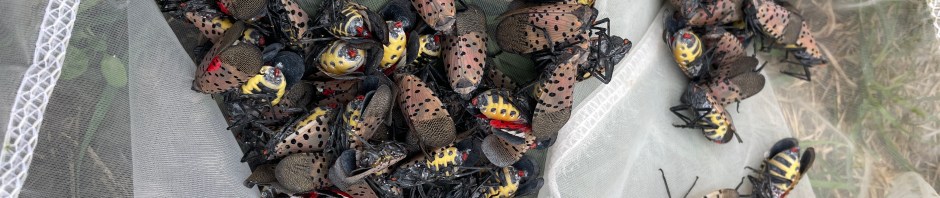
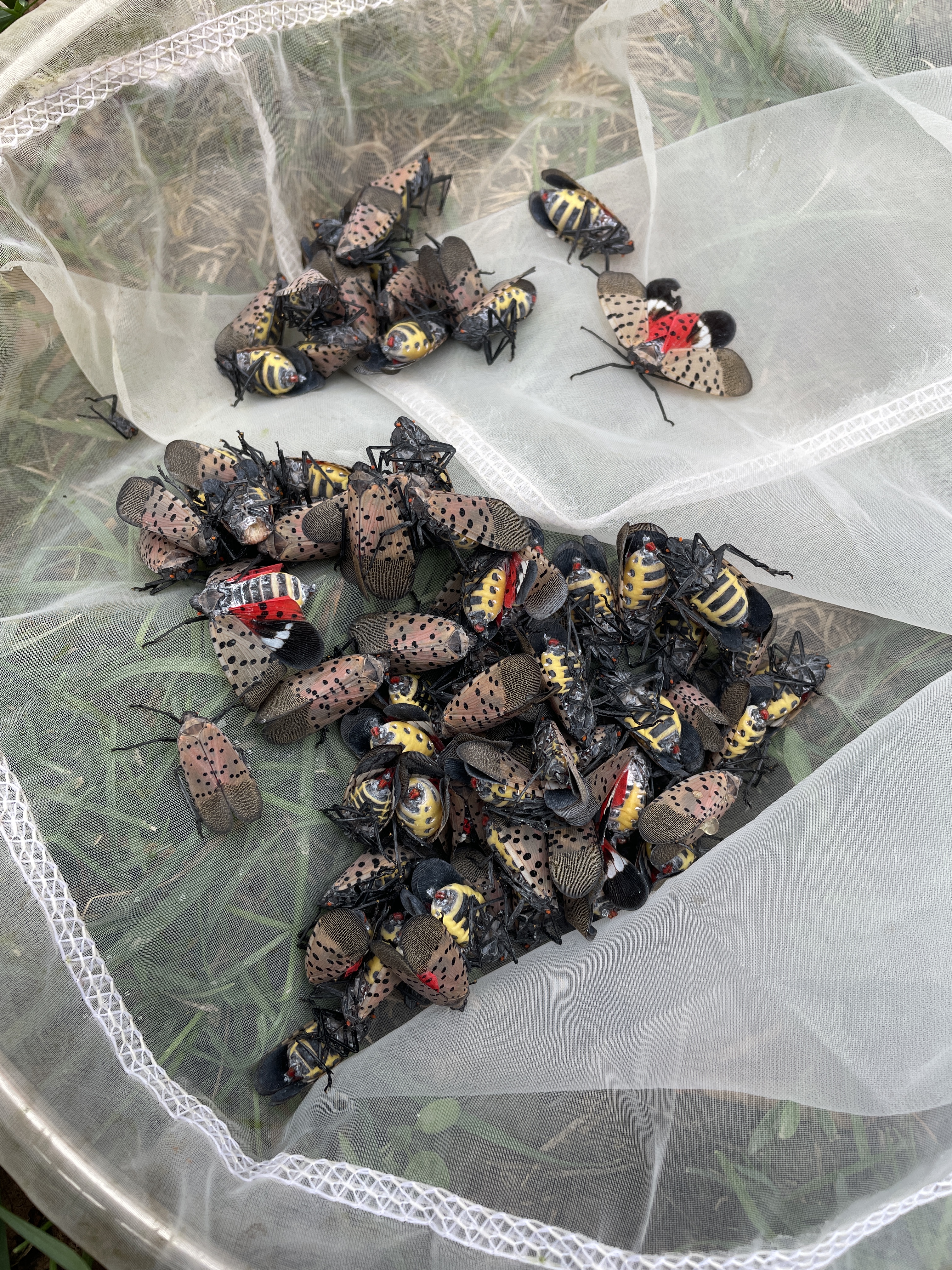
The CFIA has updated its Spotted Lanternfly (SLF) observations page with a listed 23 detections in Ontario, all in Windsor/Essex County and confirmed an established population in Essex County. Details can be found on the SLF observations in Canada page.
These detections are in addition to hundreds of other verified sightings of SLF as reported by the general public.
Continue reading to learn more about what this means and how you can help
CFIA wrote on their observation page that they continue to receive reports, directly and indirectly, of SLF observations in various locations across Canada, and that these reports help enhance monitoring and survey activities in areas where there have been sightings or interceptions.
Following the initial detection in Windsor, hundreds of confirmed SLF observations were received across Essex County and CFIA now considers there to be an established population of SLF in this area. As a result, observations of SLF in this area are no longer listed individually within the observation table, but the CFIA continues to follow-up on reports of SLF across Essex County to gather more information.
What you can do
Continue to be on alert:
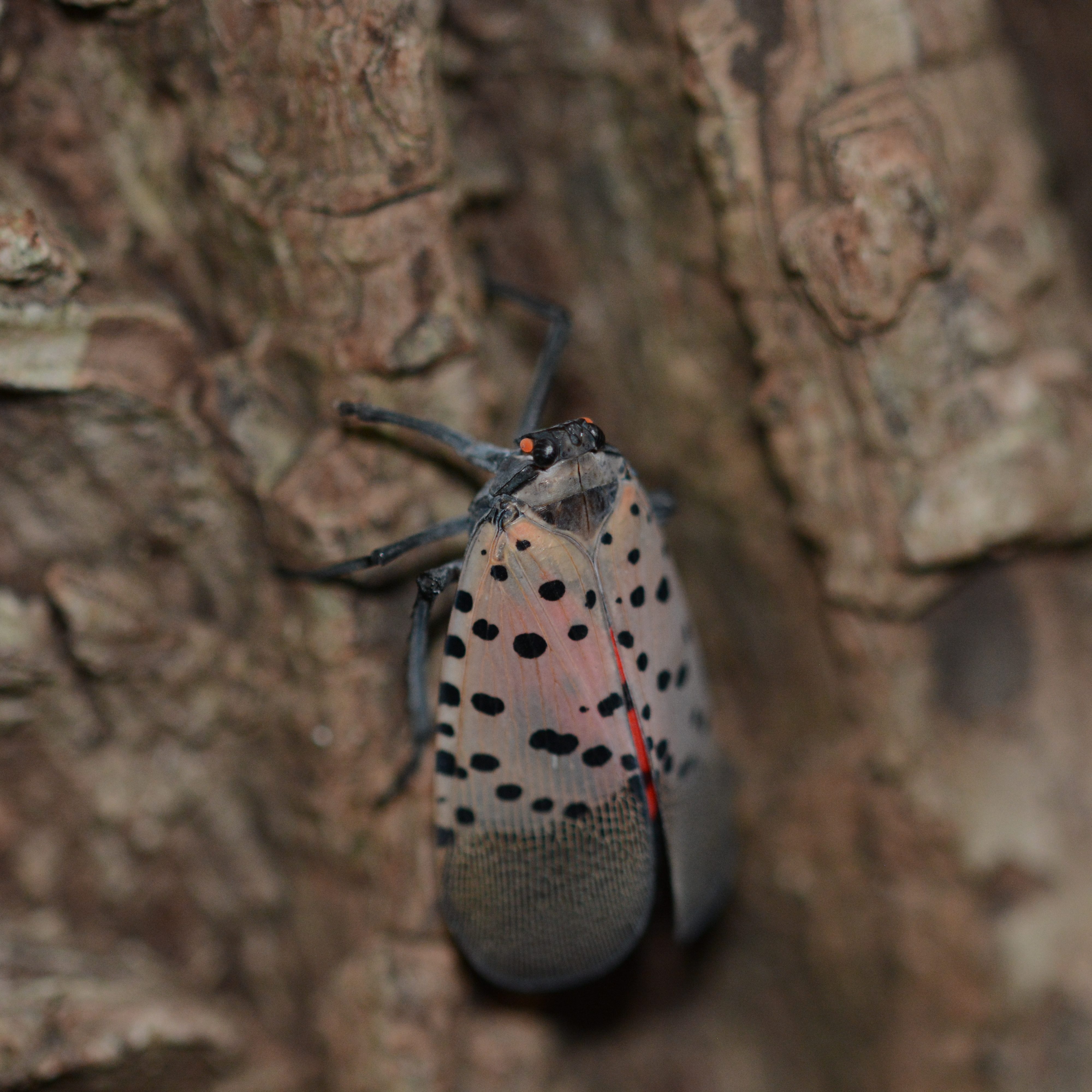
The risk of accidental movement of SLF to other areas remains high. Know what SLF looks like, especially adults and egg masses.
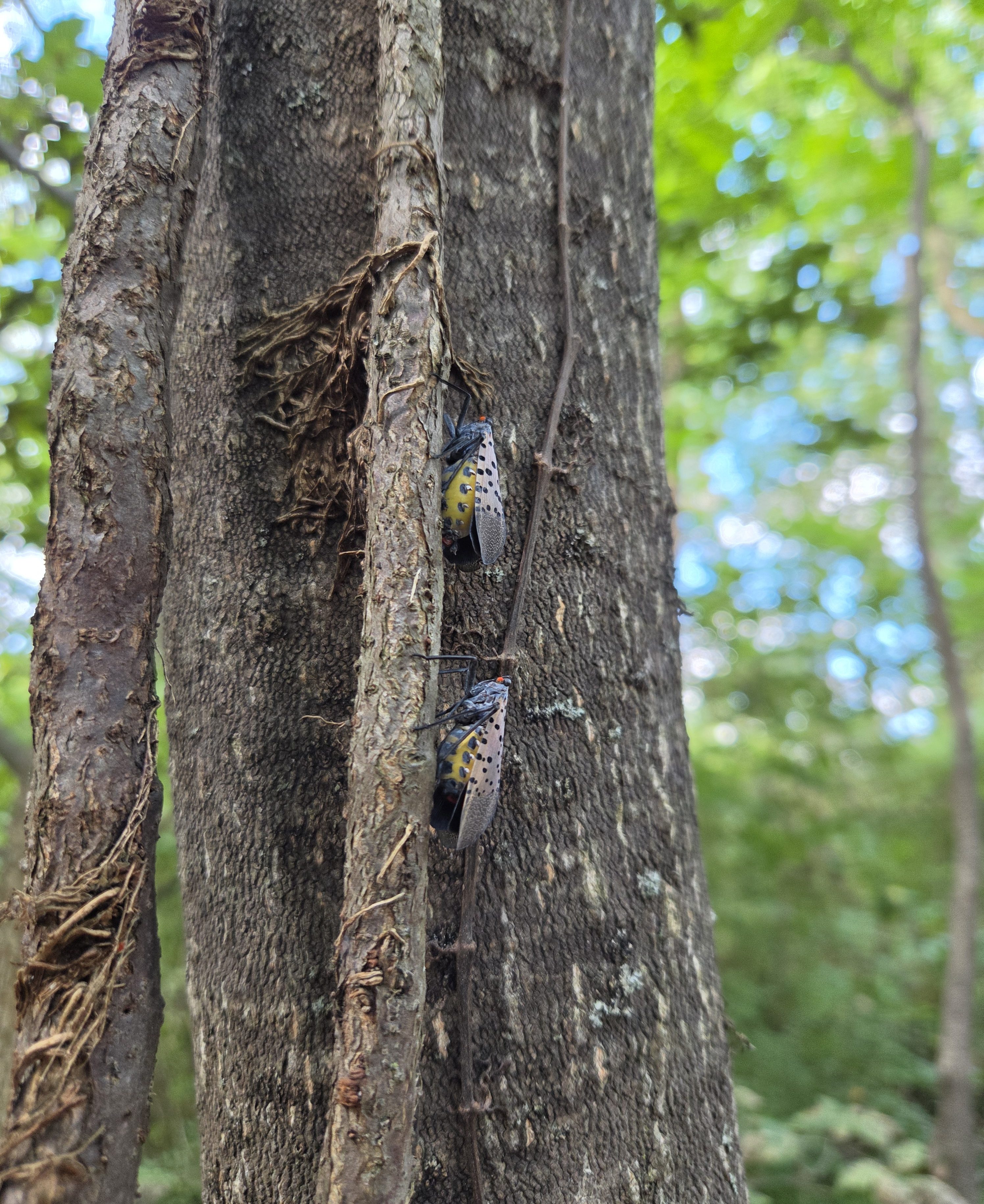
Adults can be found in the fall, and often are found around tree of heaven or grape vines, but can feed on over 100+ different host trees. They move up and down trees to feed, moving more slowly in the mornings and in cool conditions. Adults are killed off by a hard frost, but egg masses will be able to overwinter in Ontario, according to research done by the Canadian Forest Service.
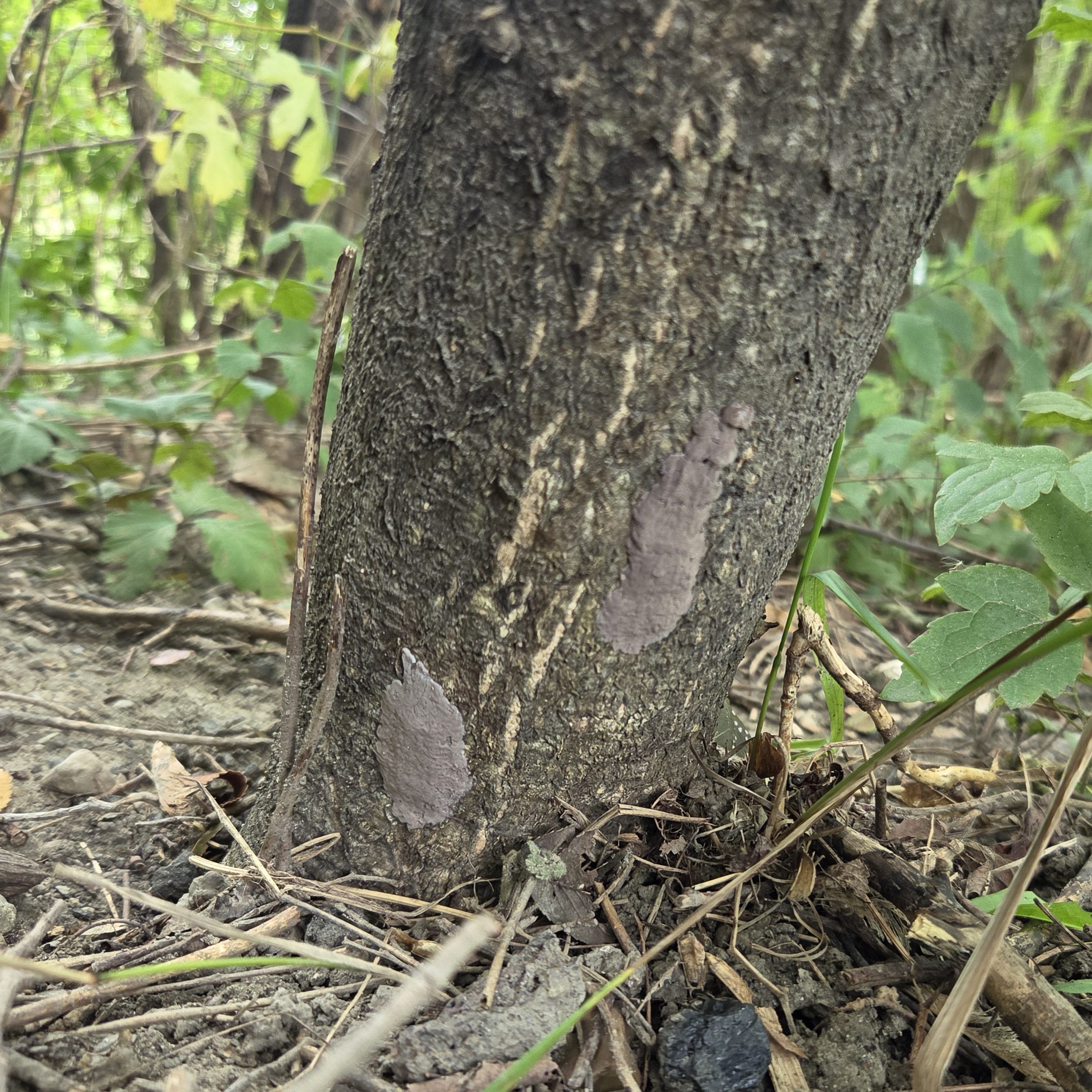
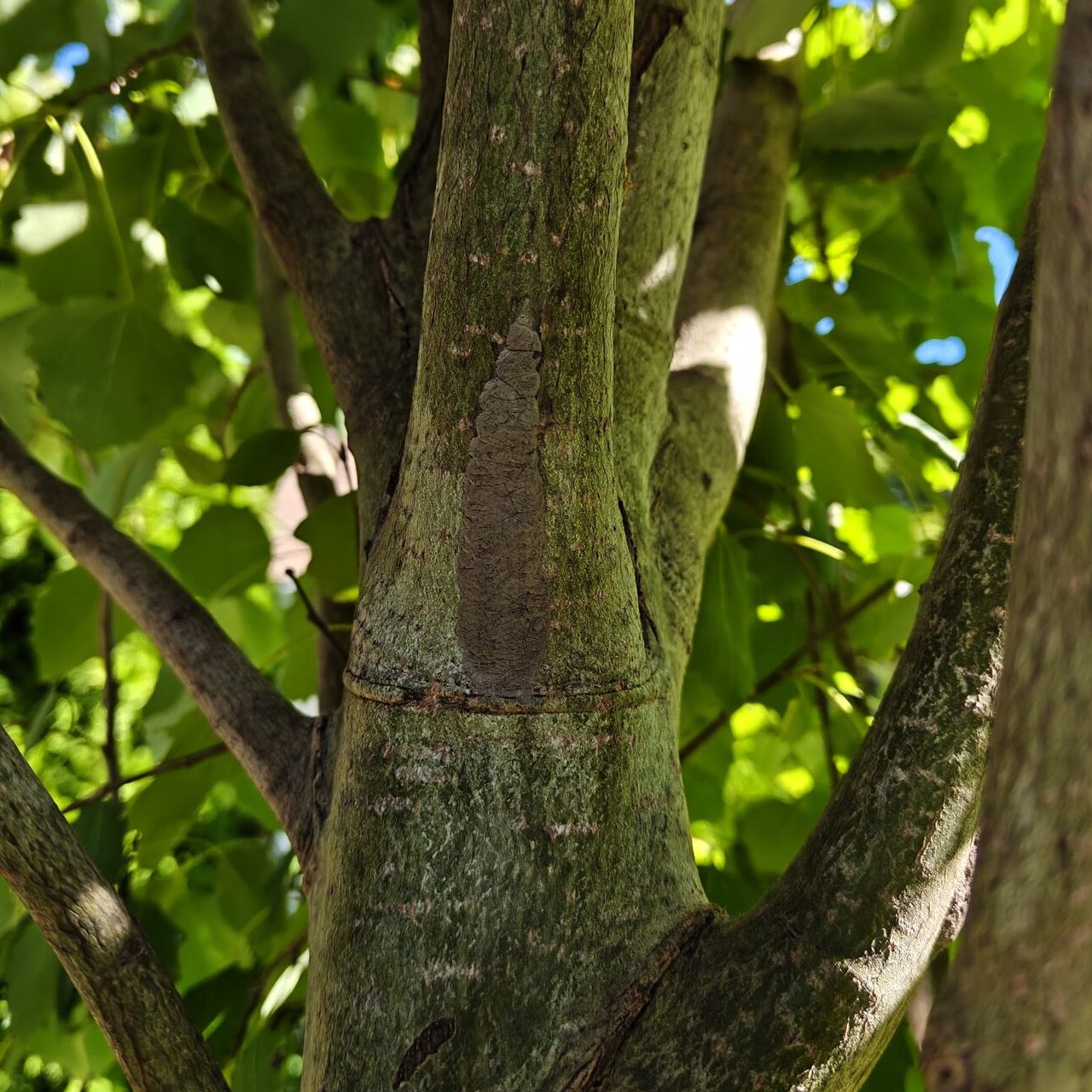
Egg masses can now be found: egg laying initiates at the fall equinox (this year, on September 22) and egg masses have been found and reported in the Windsor-Essex region.
Unlike the large and unique-looking adults, egg masses can be hard to detect and can easily be missed. Egg masses can be on trees, rocks, patio furniture, vehicles, and more. Essentially, any hard surface an adult could land on.
If you find Spotted Lanternfly:
Snap it: first, take clear pictures.
Catch it: next, use what you have on hand (plastic bag, tupperware, vials, etc.) to catch the specimen if it’s an adult. Record the date and location on the container and store in a freezer.
Report it: Contact the CFIA with as much information as you have, including your pictures and let them know if you kept the insect(s).
If you find an egg mass:
Snap a picture just as you would for an adult. Unlike SLF adults that can fly away, egg masses aren’t going anywhere and won’t hatch until next spring. Instead of collecting a sample and scraping the egg mass off, simply mark the location with flagging tape. Report the location with photos and coordinates to the CFIA and wait for further instructions.
If you find any life stage of SLF, once you’ve reported it to the CFIA, consider also posting to iNaturalist.org. Scientists across the globe use iNaturalist data to help track and study the spread of invasive species, including identifying host plant preferences, life stage phenology, and more.
Maintain Records
For nursery growers, record keeping will continue to be incredibly important. Growers should continue to actively scout farms and surrounding areas, any incoming shipments, and keep detailed records of any scouting activities. More information about scouting and other aspects of SLF integrated pest management can be found on the SLF Crop IPM page along with pest modules on the Clean Plants website: Spotted Lanternfly BMPs
In light of SLF in the news, I thought it might be helpful to finish off with some FAQs and bust some SLF myths.
Mythbusting: Spotted Lanternfly
Are SLF harmful to humans (or my pet)? No
Will they bite? No, their mouthparts are not capable of biting or stinging humans or pets. They are specialized to feed on plants only.
Are they hard to catch? They can be!
Adults can fly and jump, making it difficult for some people to catch them. It’s recommended to take a picture first before attempting to catch them as they can use their long legs to quickly hop away.
Will they kill my trees and plants? No, not overnight.
While SLF feeds on more than 100 plant species, many of these are considered transient hosts, meaning SLF may feed on them for only a few days before moving to a more preferred host. Feeding can stress host plants; however, prolonged, heavy feeding is most damaging to grapevines and tree of heaven, which are preferred hosts. Adults often aggregate in large numbers on these plants and return repeatedly to feed, which can lead to significant decline or even plant death.
Is there a regulated area established yet? As of publishing this article, there is no regulated area that has been announced in Canada as a result of the new detections and established population in Essex County. If a regulated area is established, that decision will come from the CFIA and stakeholders will be notified.
I heard something about milkweed… Can we kill SLF by planting more milkweed? Likely not.
Did you see the National Geographic article, or maybe some other posts going around on social media saying that milkweed is the solution to all our problems? Well, let’s keep dreaming. There has not been sufficient evidence to show that milkweed will be a viable control tool against Spotted Lanternfly in the landscape.
If SLF feed on milkweed will they potentially die? Probably… as milkweed has natural toxins. But will SLF preferentially feed on milkweed when they have many other plants available to them (especially their favourites like TOH and grapes)? That is the question that needs to be answered.
The ONfruit blog published an article outlining Dr. Flor Acevedo’s research on SLF and milkweed. It’s worth a read if you want to learn more about what’s been done and what they are trialing next. Milkweed vs Spotted Lanternfly – Too good to be true? – ONfruit
In short – don’t be fooled by catchy titles you see on social media, there’s usually more to the story.
Still want more information?
In-person SLF workshops are coming to Windsor and Niagara this fall! Dates and registration information can be found on an earlier post: Free workshops on Spotted Lanternfly (Niagara and Windsor) | ONnurserycrops Blog


