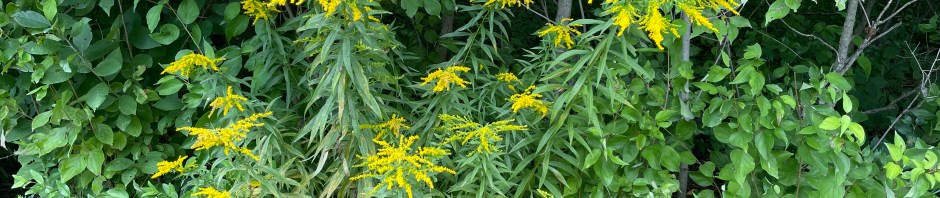
As goldenrod begins to paint Ontario’s roadsides and field edges in brilliant shades of yellow, it’s a sure sign that summer is entering its final stretch. Like many of our wild pollinators, I’m also a big fan of goldenrod and can’t pass on an opportunity to remind folks that this beautiful wildflower is not the culprit behind the sneezing, itchy eyes, and runny noses that plague many allergy sufferers at this time of year. That blame belongs to ragweed, whose lightweight pollen drifts easily on late summer breezes.
While many pests are winding down for the season, others remain active and may be more noticeable now than earlier in the summer. Before autumn arrives, late summer is an ideal time to inspect trees and shrubs for unwanted hitchhikers, spot emerging issues, and take proactive steps to protect plant health heading into the fall.
- Spongy Moth
- Japanese Beetles
- Spotted Lanternfly (SLF)
- Cool season mites
- Fall webworm and other late-season caterpillars
- Late season leaf spots
- Early leaf drop and heat stress
- Preparing for fall treatments
Spongy Moth
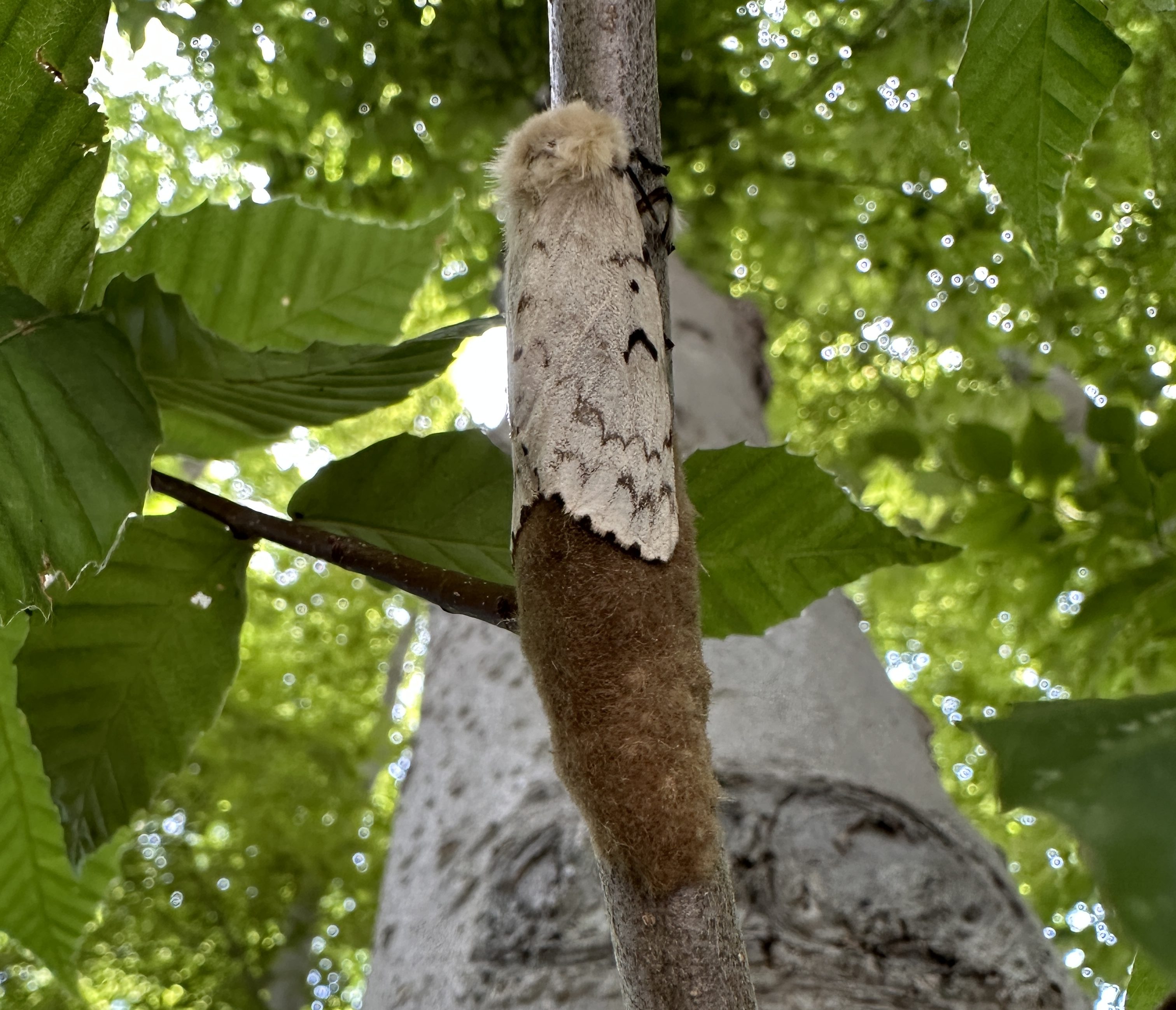
Flight season is nearly over for spongy moth, so take care when preparing plants for shipping or direct sale that egg masses and flightless females aren’t traveling with them. The fuzzy egg masses can be anywhere from 1 – 5 cm long, and are covered in a coat of beige to brown hairs. When removing egg masses, make sure they’re being collected in soapy water or the like to ensure the eggs die; scraping them onto the ground will not prevent them from hatching out in the spring.
Japanese Beetles
Japanese beetles (JB) continue to feed, though with the cooling weather and rainy nights, some locations are showing their usual late summer population decline. We tend to see fluctuating periods of greater and lesser activity through the later part of the summer and into autumn in most JB populations, until the arrival of frost puts an end to their season. As with spongy moth, be sure you’re carefully checking your plants before shipping or selling them so no one goes home with a hitchhiker. If you’re doing preventative soil treatments for the grubs, this is a good time of year to start as the treatments (chemical and biological) are most effective on early-instar larvae before they burrow further down into the ground to overwinter.
Spotted Lanternfly (SLF)
Keep an eye out for late instar nymphs and adults.
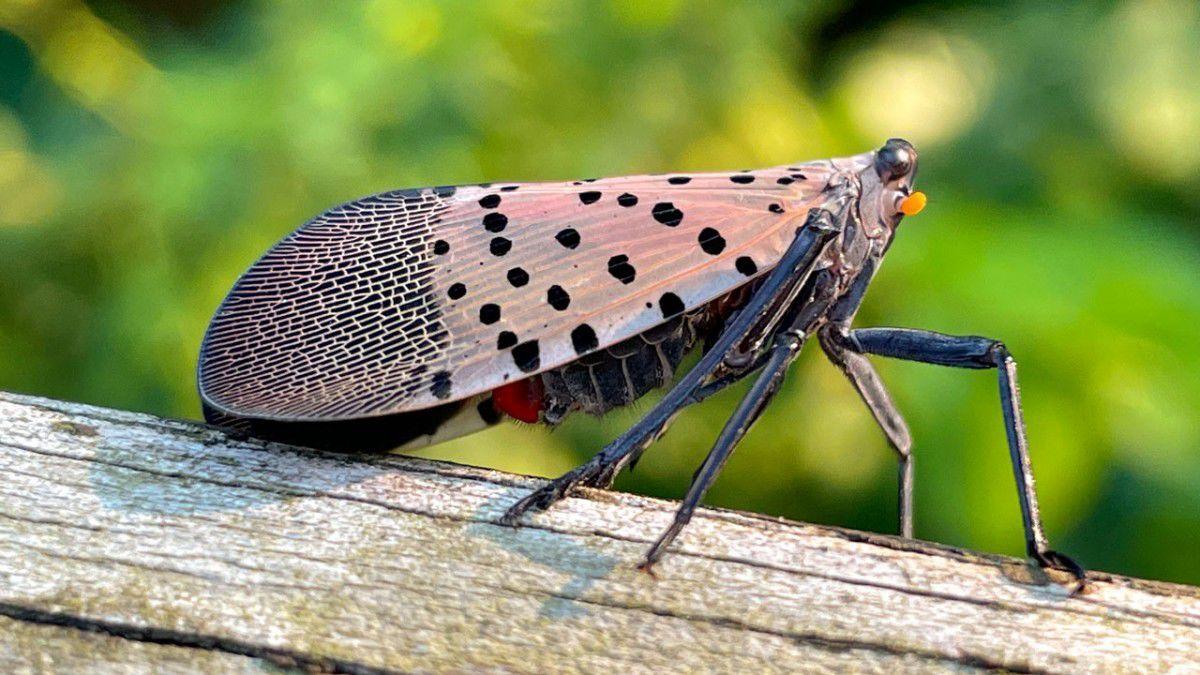
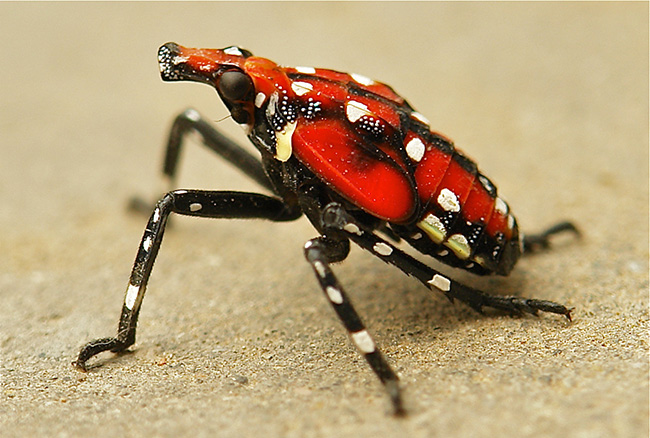
As of publishing this post, spotted lanternfly is still not yet established in Ontario or Canada, though scattered sightings and interceptions are still being reported, especially in the Windsor-Essex area. At this time of year, many of the red and black late-instar nymphs will be transitioning to winged adults, the stage where they are most mobile and most often observed. Be on the lookout for large bugs with no visible antennae, brown-ish coloured wings with black spots that fold in a V-shape at rest.
It’s our shared responsibility to ensure we keep this pest out of Canada as long as possible, and report any potential sightings to the CFIA to support a rapid early response and slow the spread.
If you’re travelling back from the Eastern US at this time of year, be sure to check your vehicle before crossing the border (better yet, go through a car wash!) to ensure you don’t bring back an uninvited guest with you. Businesses and nurseries importing material from the Eastern US should be extremely thorough in checking their shipments for lanternfly nymphs, adults, and egg masses starting in mid September. August-October is the highest risk period, where adults have been found in packing materials and on hard goods in the past, not just on plants.
Cool season mites
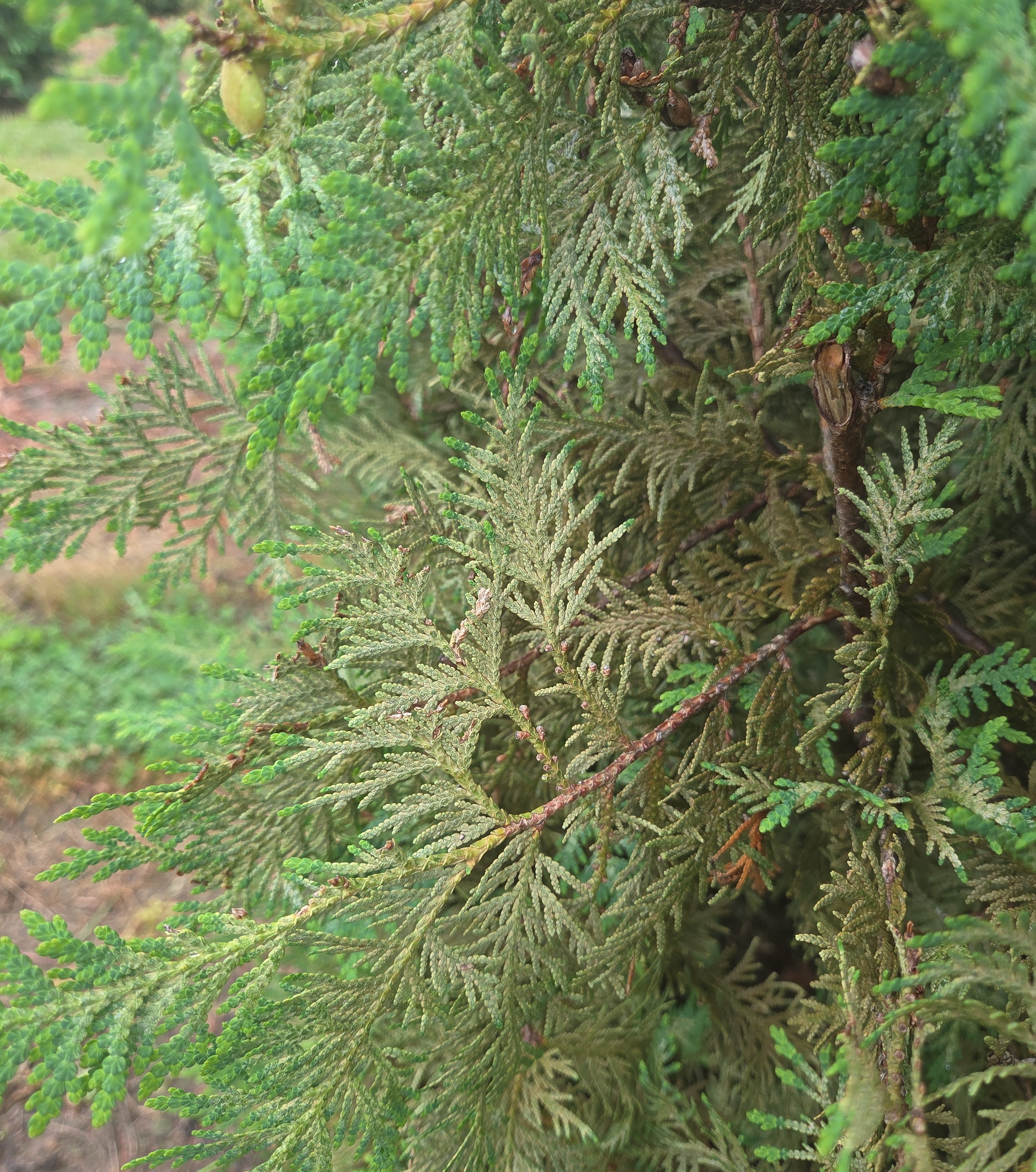
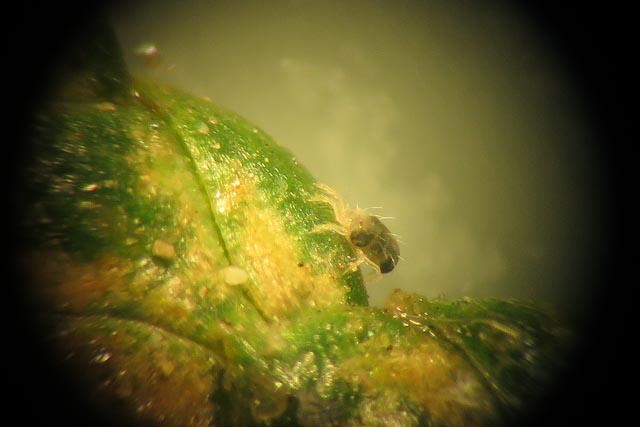
Spruce spider mites have had a banner year, much to the frustration of conifer growers in the province. Hot summer days drive them into the canopy interiors to lay dormant until cooler weather arrives, so our recent cool nights and cloudy days have spurred them back into feeding mode. Miticides can be effective at controlling them, but a miticide is only as good as the coverage you’re able to achieve – easier said than done when spraying dense conifers like eastern white-cedar. The population on the outside of the plant may die off, but the mites on the interior of the plant will quickly recolonize, unless the spray penetrates all the way in. This may mean changing your equipment whether the nozzle arrangement, aperture size, or making a pass on both sides of the row. This follows for maple, honeylocust, and two-spotted spider mites as well, though they generally seem to be active at lower levels compared to last year.
Fall webworm and other late-season caterpillars
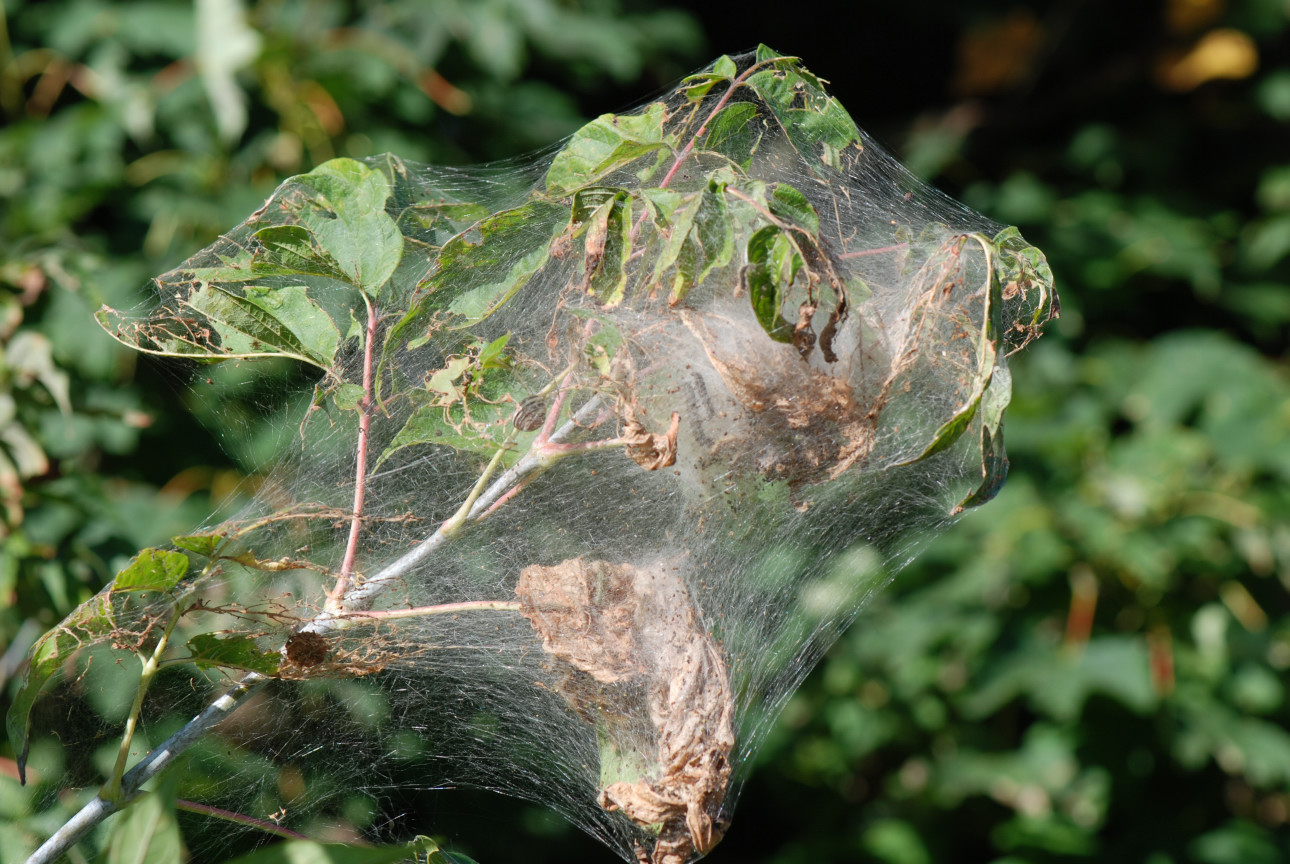
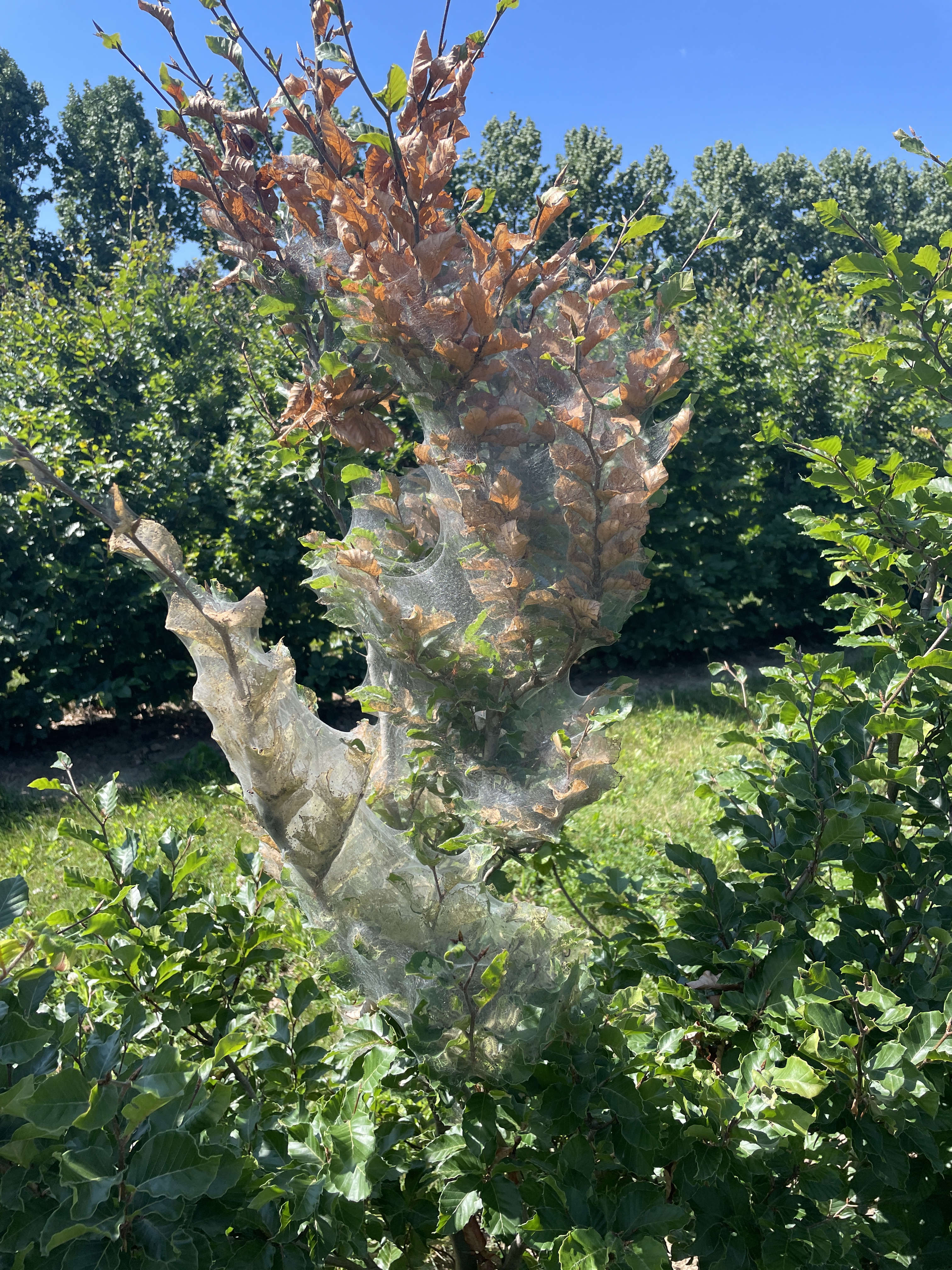
Net-like webs at the ends of branches are a clear sign that fall webworms are in your area, and these hungry caterpillars can cause a nuisance on cultivated plants just as happily as on wild ones. While their feeding on large established landscape trees does not impact plant health, small nursery trees covered top to bottom in webbing can be a different story and require some intervention. While they can be sprayed for, their webs are large and dense enough that most contact sprays are much less effective than on an open-feeding caterpillar. Manual removal is the recommended treatment most times, whether snipping out the branch they’ve set up on, or putting on gloves and hand-squishing them.
Large sphinx moth and silk moth caterpillars are also doing their last round of feeding before cocooning for the winter, and these can cause significant localized defoliation. These are rarely considered “pest” insects though since they tend to be locally uncommon, so consider moving them to a hedge rather than killing them – your reward for kindness today may be a spectacular luna moth in spring!
Late season leaf spots
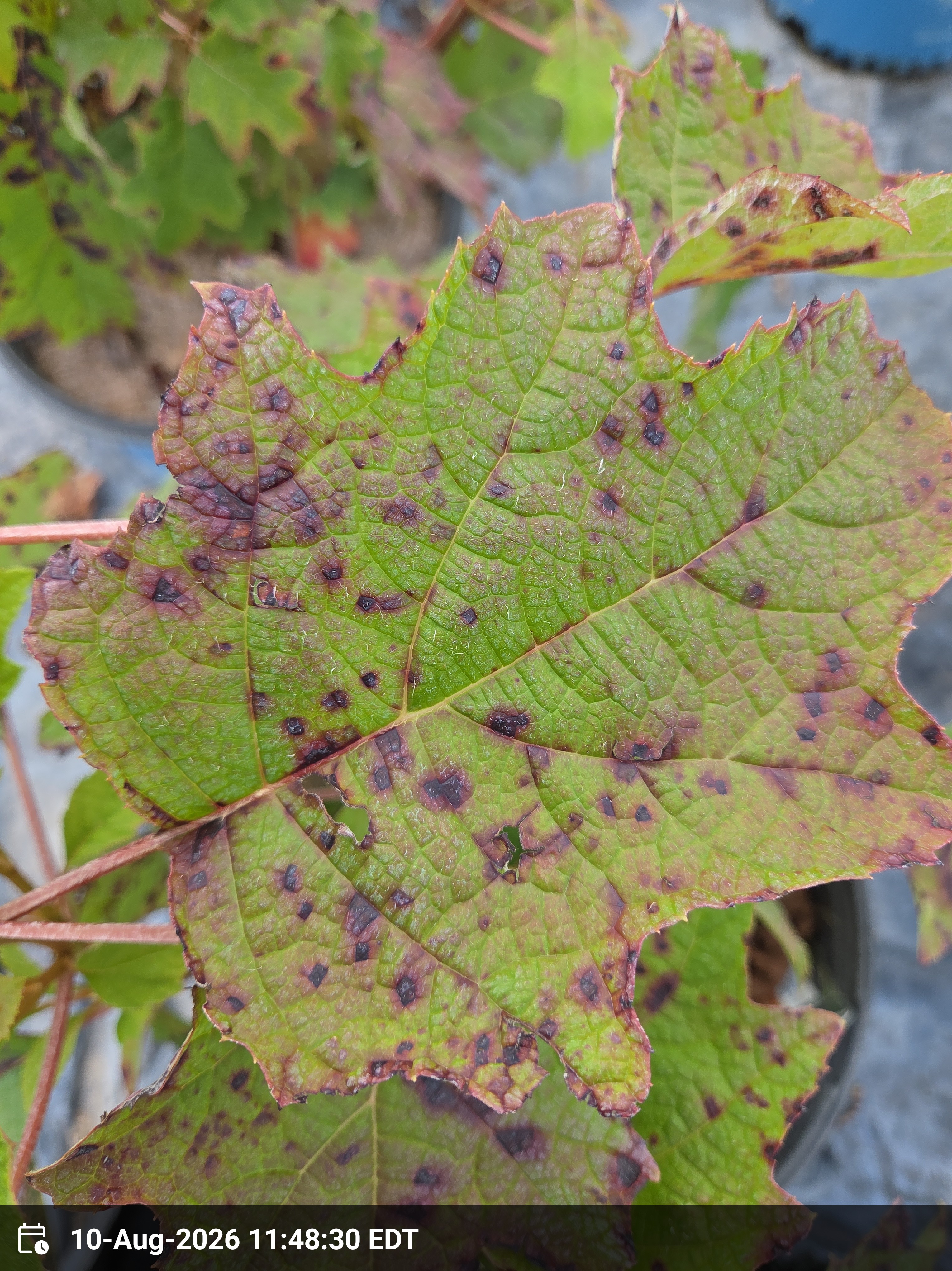
Leaf spots continue showing up on many species of broadleaf trees and shrubs. Whether maple tar spot on your Crimson King, septoria on your bigleaf hydrangea, spot anthracnose on your dogwood, or black spot on roses, there’s a spot for every occasion. The good news is these are mostly aesthetic diseases that don’t threaten the health of the affected plants overly. The bad news is they are aesthetically damaging, and there isn’t much to be done about them once they appear. Prevention is key to leaf spot diseases, and no amount of prevention goes further than lowering the plant’s stress. Make sure new plants are fertilized on time, that they receive adequate water, that their soil drainage is correct for their species, and that you clear up any persistent pest issues.
Overhead irrigation is another frequent culprit in the development of leaf spots, especially if you are irrigating with high pH water (over 7.0), as is restricted airflow. Spacing out pots keeps plants from stove-piping (putting on only top growth) and helps prevent fungal and bacterial diseases that thrive in high humidity. Preventative fungicide treatments can be effective if they are applied at the right time of year (usually well before you even notice the issues), though depending on the disease they may not be a practical solution on their own – as is the case with Norway maples and tar spot.
Early leaf drop and heat stress
Another common late summer issue is early fall colour and leaf drop, and there’s certainly been lots of that this year in our norway maples. This is directly a stress response to extreme heat and drought, and is the plant’s way of protecting itself from additional water loss. Diseases like tar spot, anthracnose, and vascular diseases like dutch elm disease make the stress worse and leaf drop more pronounced. When broadleaf plants are under severe stress they prioritize their long-term health over their seasonal gains and enter dormancy early. Leaves turn colours in a patchy/spotty way, often on the sunward side of the plant first, and gradually fall off, as opposed to cleanly transitioning to fall colours and then shedding rapidly like they normally do.
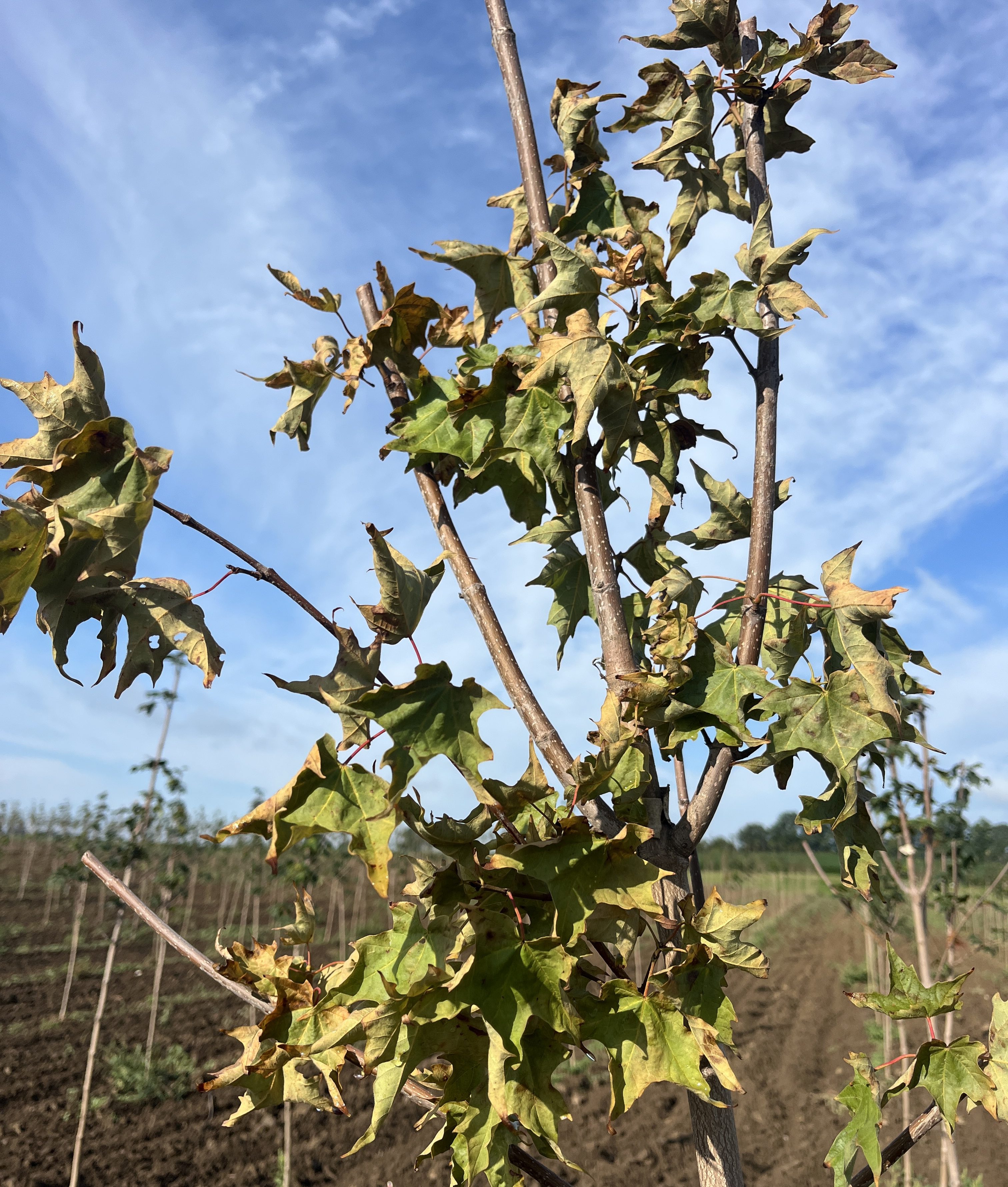
Sudden leaf drop with mostly green leaves and crispy edges is a more serious sign of stress – the plant can’t afford to wait to shut down its leaves properly and dumps them to avoid critical moisture loss. A plant under stress from damaged or waterlogged roots can’t take the added stress of high soil temperature and hot, dry days, and puts itself dormant in order to wait out the poor conditions.
Preparing for fall treatments
A common thread in late summer is looking towards the end of this year and the beginning of next year. Now is the time to sit down and do some serious planning about treatment priorities, decide if a crop is worth retaining through the fall and winter or not, set up trials for next year, and make a plan for winding down the growing season. Part of that may involve fall treatments for overwintering pests and preventative treatments for spring diseases.
Many gall-forming insects can’t be treated during the growing season beyond manual removal of galls, but a dormant oil spray in the later part of fall or before bud break in spring can reduce their numbers and make them more manageable. Dormant oil treatments also work well for overwintering mites, scales, thrips, aphids, and sawflies. Late summer is a good time to review your scouting and treatment records from the season and determine where to best spend your time and resources for preventative actions now that can help set you up for next year.
This update was put together by the 2026 Nursery IPM team: Cassie, Ree, Grace, and Kaylea.


