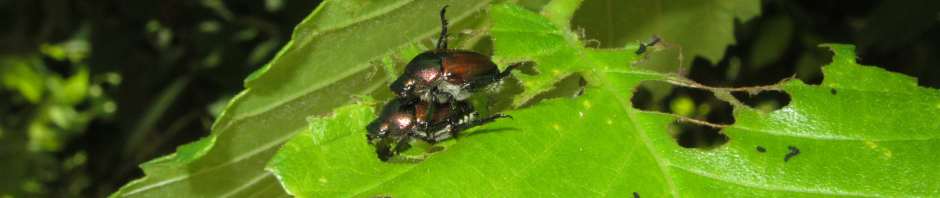
Box Tree Moth (BTM) adults and Japanese beetle (JB) adults have been found in traps in Southern Ontario. Catches of adults of these regulated pests indicate where they are in their life cycles and, for some commercial growers in Ontario, may trigger management steps.
Read on for more information.
Japanese Beetle
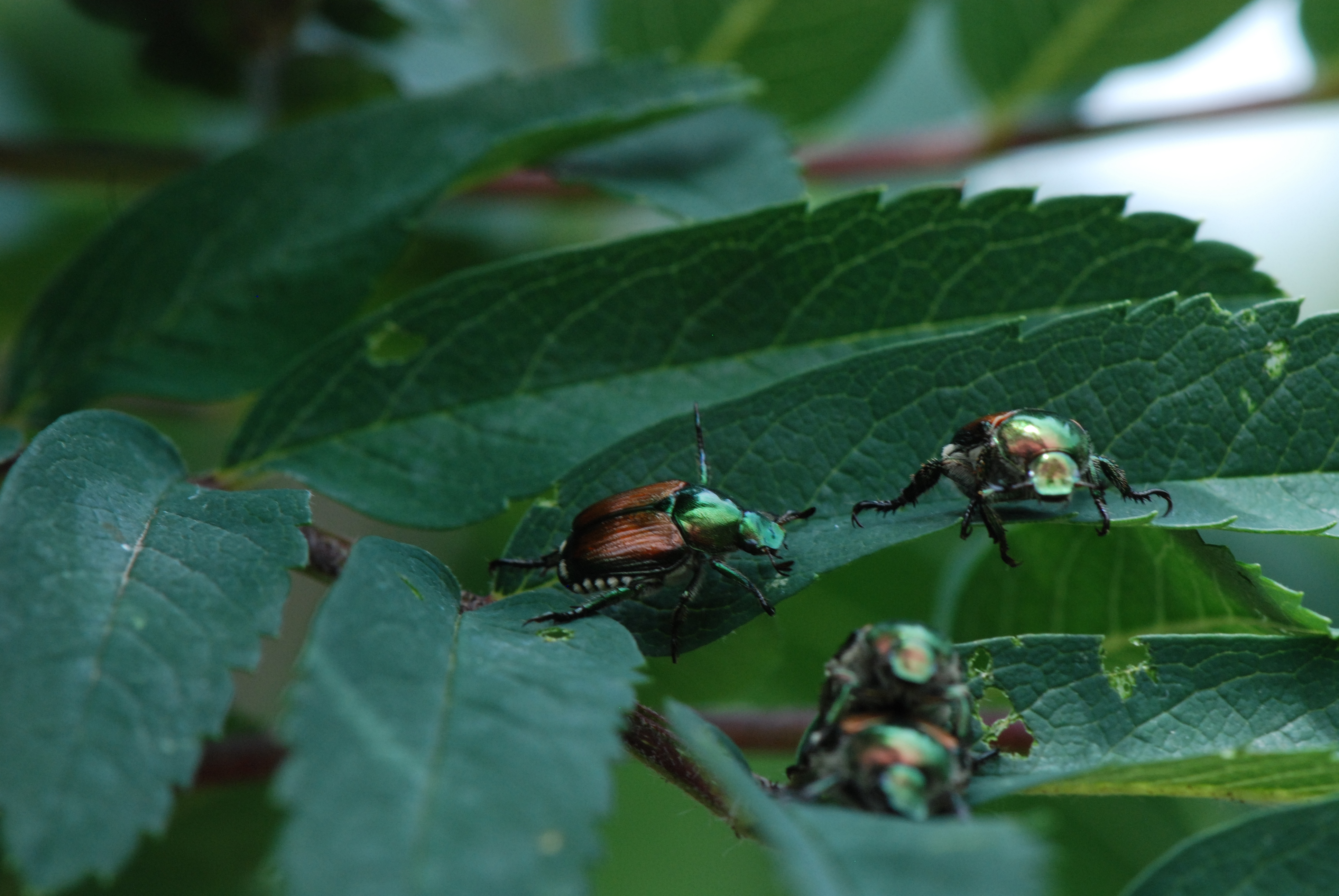
The first Japanese beetle (JB) adults of 2026 were captured on Monday, June 22, in pheromone monitoring traps. Additional adult sightings were posted to iNaturalist on June 19 from the Windsor area.
Adult emergence will continue over the coming weeks and feeding injury will start to become evident on highly preferred hosts, including grapes, Malus, Rosa, Tilia, and numerous other woody trees, shrubs, and vines. Registered insecticides for adult JB control in commercial nurseries include Beetle Terminator nd Imidan. Acelepryn is also registered for the suppression of adults.
Pheromone traps for JB are always a hot topic: they work incredibly well due to their pairing of a sex pheromone with an attractive plant volatile (kairomone) that attracts both male and female JB to the trap. Due to this, they can be used for mass trapping efforts, as long as these traps are 1) placed away from the plants you are trying to protect, and 2) are being emptied often enough.
Some who have chosen this method have opted to retrofit large garbage pales with a pheromone trap at the top to catch beetles in a large basin – and it can work quite well!
For commercial growers, preventative applications of Intercept and Acelepryn are approved for white grub management (European chafer, June beetle, Japanese beetle) in nursery and greenhouse production, and the application window opens now.
For growers exporting plant material outside Ontario, the JB control infographic and accompanying article (linked below) outline approved products and timing for phytosanitary compliance.
Box Tree Moth
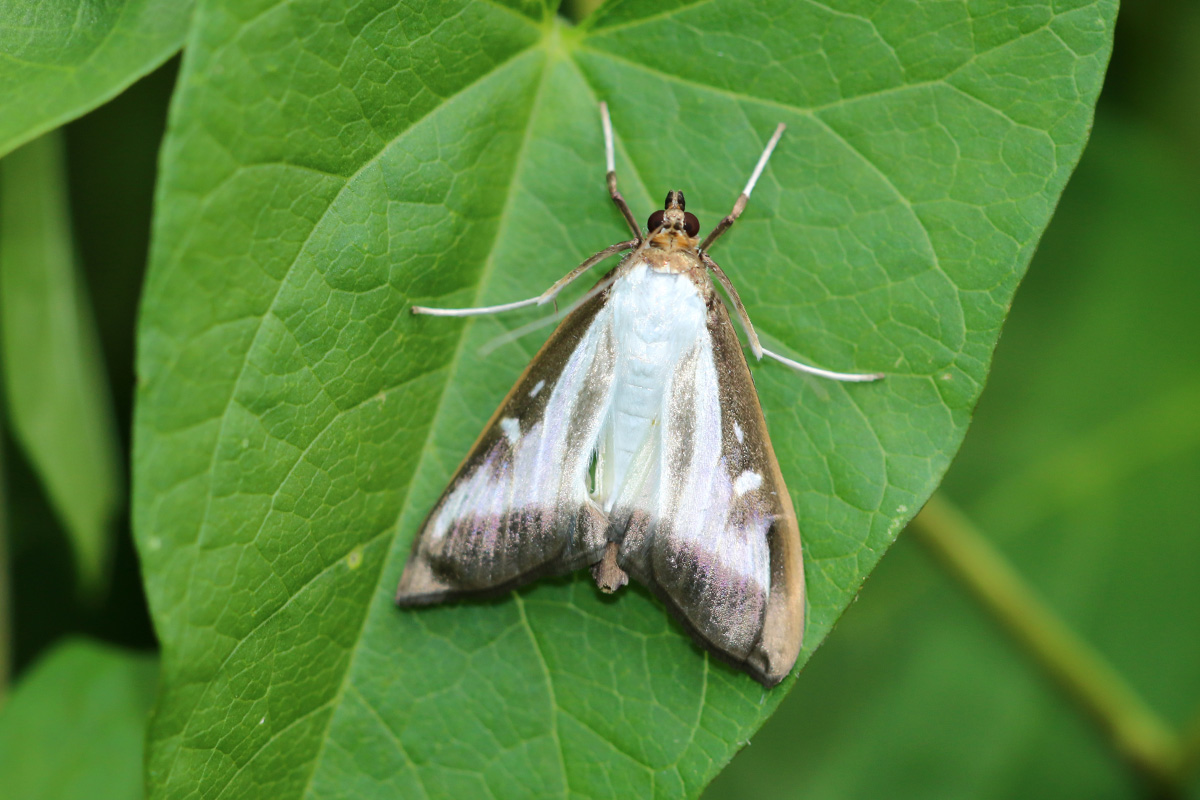
This week marked the first capture of adult box tree moths in pheromone traps at nurseries. The Landscape Ontario nursery scout also found an adult moth on boxwood while scouting. iNaturalist posts show additional adult sightings as early as June 13–15 in Burlington, Leamington, and Toronto. While iNaturalist is an excellent tool for many reasons, it’s always wise to take posts with a grain of salt — observation dates, locations, or even the insects themselves can sometimes be incorrect. Some users may upload photos of dead insects from the previous year, which is why conducting your own scouting or monitoring with pheromone traps remains essential.
If you are a boxwood grower in Ontario, you should have pheromone traps set up and be checking them weekly. Once you begin capturing moths, this signals the start of the egg‑laying period and the next generation.
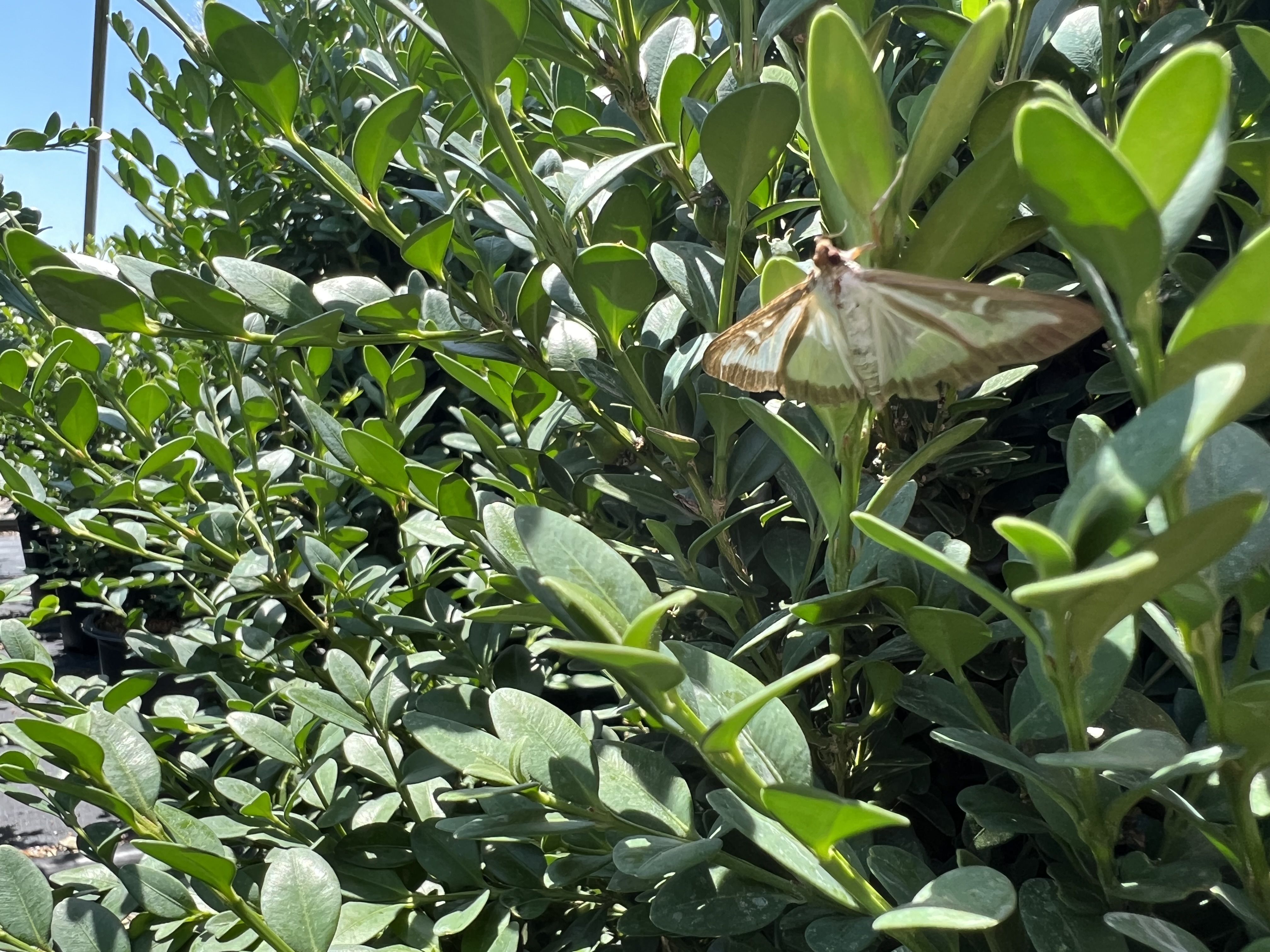
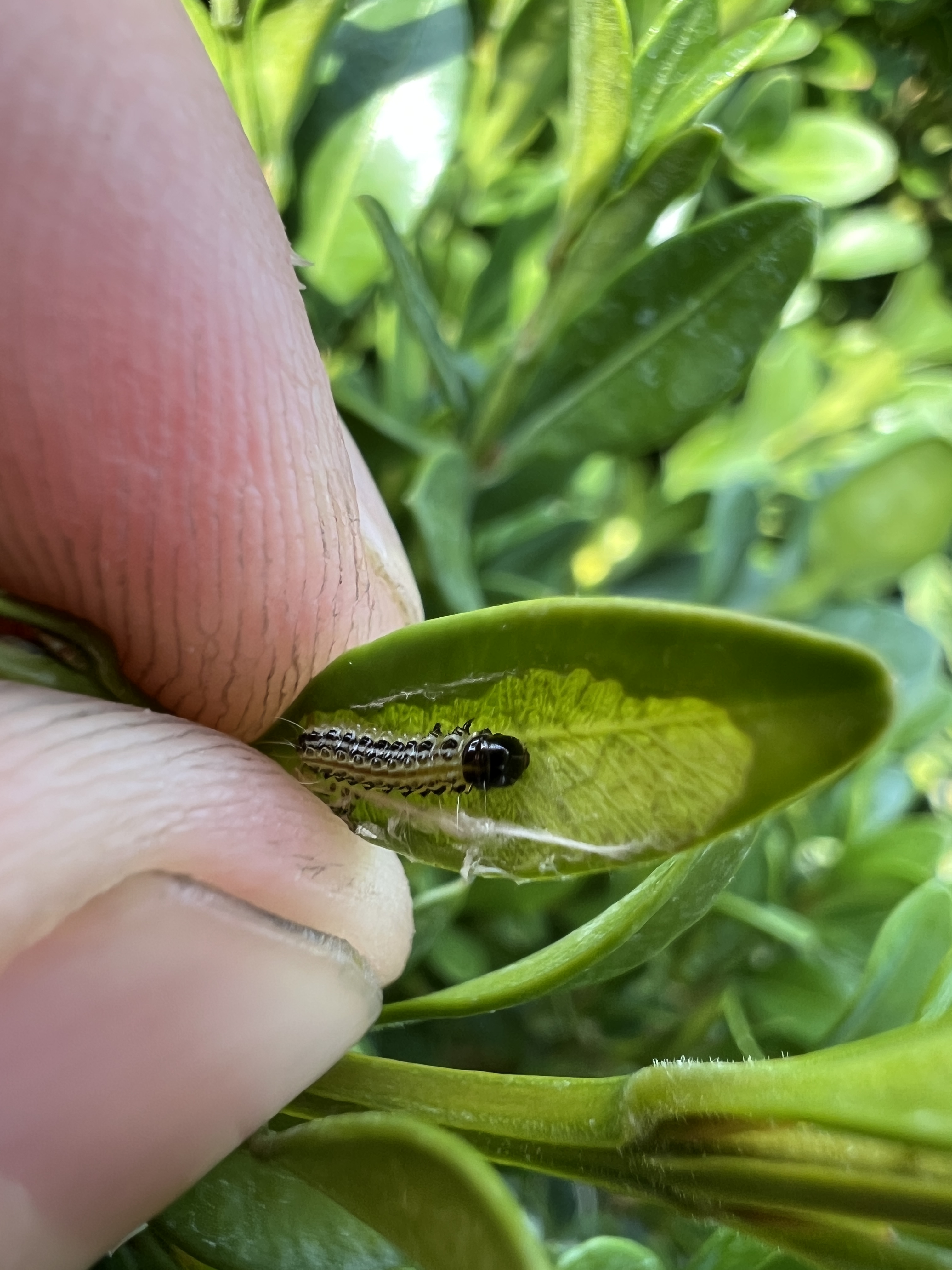
All BTM treatments must target the larval stages, and beginning applications when eggs hatch is the best way to optimize control. After adults are captured, treatments for newly hatched and early‑instar larvae should begin within 7–14 days to target larvae while they are still small. Early instars are more susceptible to BTK products, though many commercial growers may choose products with longer residual activity, such as Acelepryn, if the flight period is prolonged.
Be mindful: if you are a nursery on a JB program for shipping and you use Acelepryn drenches, applying additional foliar sprays of Acelepryn for BTM could cause you to exceed the annual allowable amount of active ingredient. Always read and follow the most up‑to‑date product label posted on the Health Canada pesticide database.


