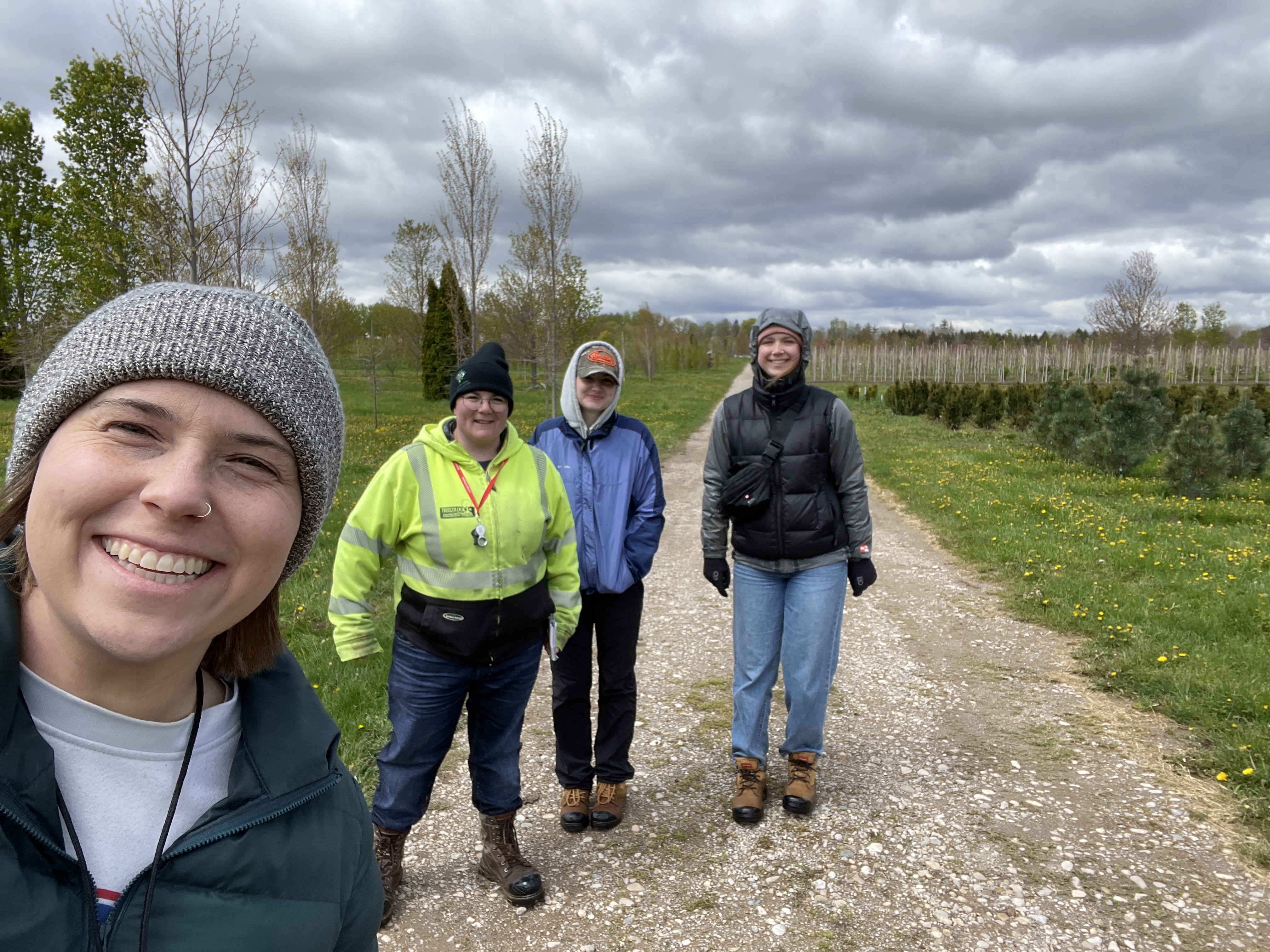
Welcome to the first nursery pest update for 2026! Most regions of Southern Ontario are between the 50-100 GDD (base 10°C) range with full bloom of Syringa vulgaris. In more southern regions such as Harrow and the Niagara peninsula, GDD is between 120-170 (base 10°C).
We certainly had a long cold winter and the plants felt it too, with some growers experiencing above-average winterkill in more sensitive varieties. It’s often not just the cold alone that drives this, but more so the unexpected temperature fluctuations in the fall and spring that impact plant mortality. The addition of this past weekend’s heatwave has put additional stress on some plants too.
But what about the pests? Oh don’t worry, they’re still there and are coming out to say hey.
This article highlights some common pests we’ve seen over the past couples weeks at nurseries in southern Ontario. For a more extensive list of pests to scout for at this time of year, please refer to OMAFA publication 841.
- Pests of conifers
- Pests of ornamental fruit trees (Malus, Prunus, Pyrus, etc.)
- Spongy moth & spring caterpillars are feeding
- Potato leaf hoppers have arrived
- Check your beech trees
- Boxwood pests
- A reminder about Oaks
- Regulated pests to always be on the watch for
- Other observations from the field
Pests of conifers
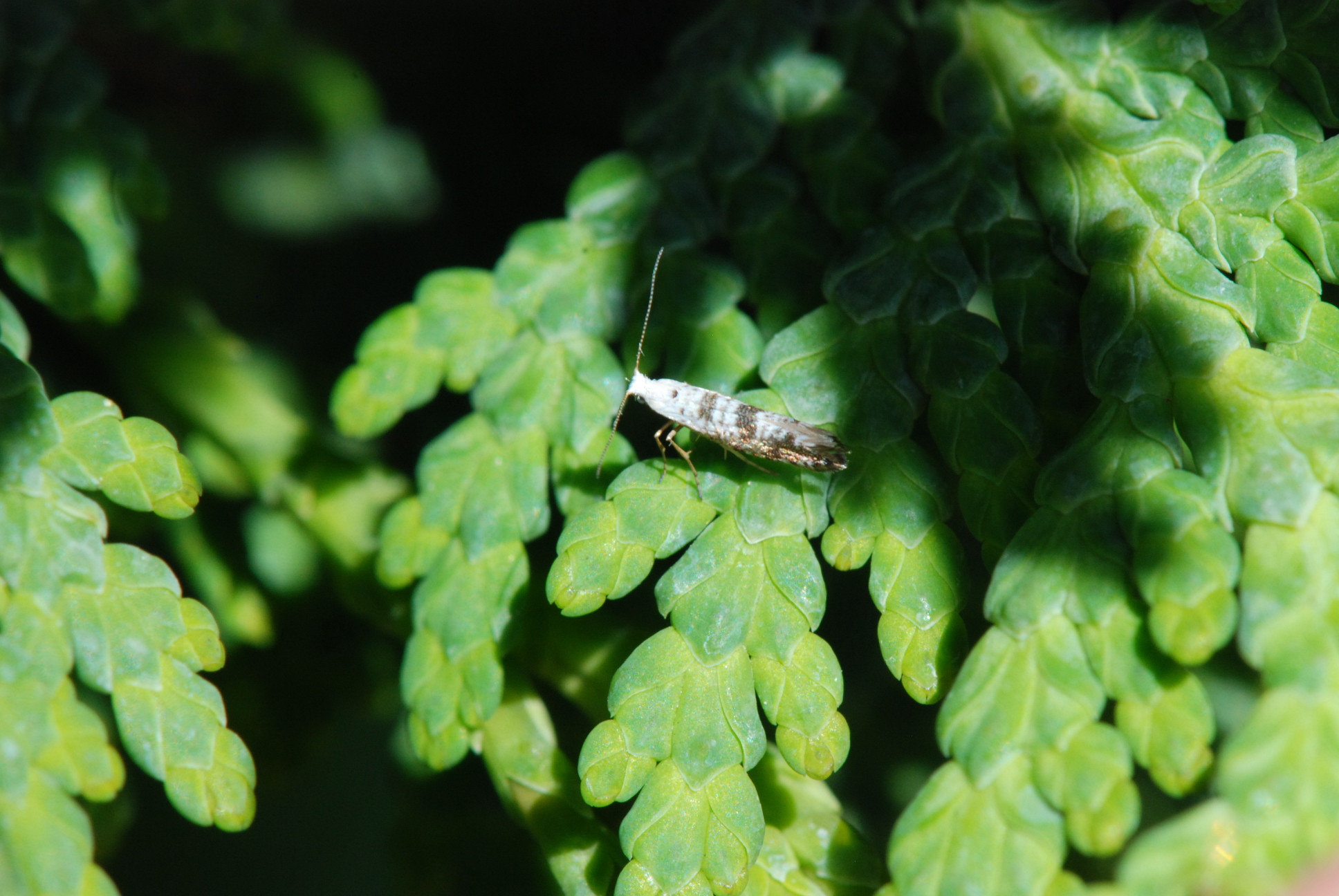
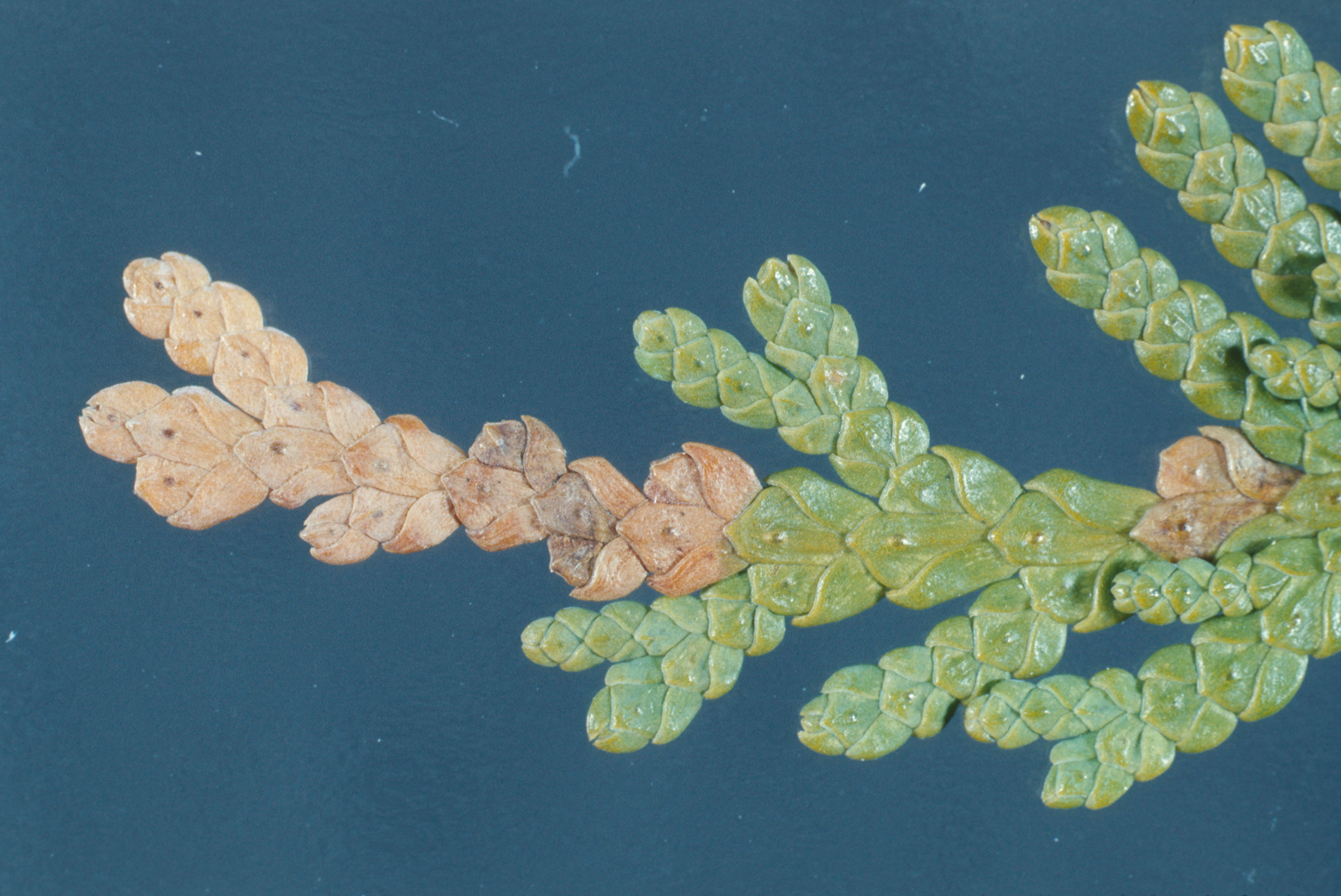
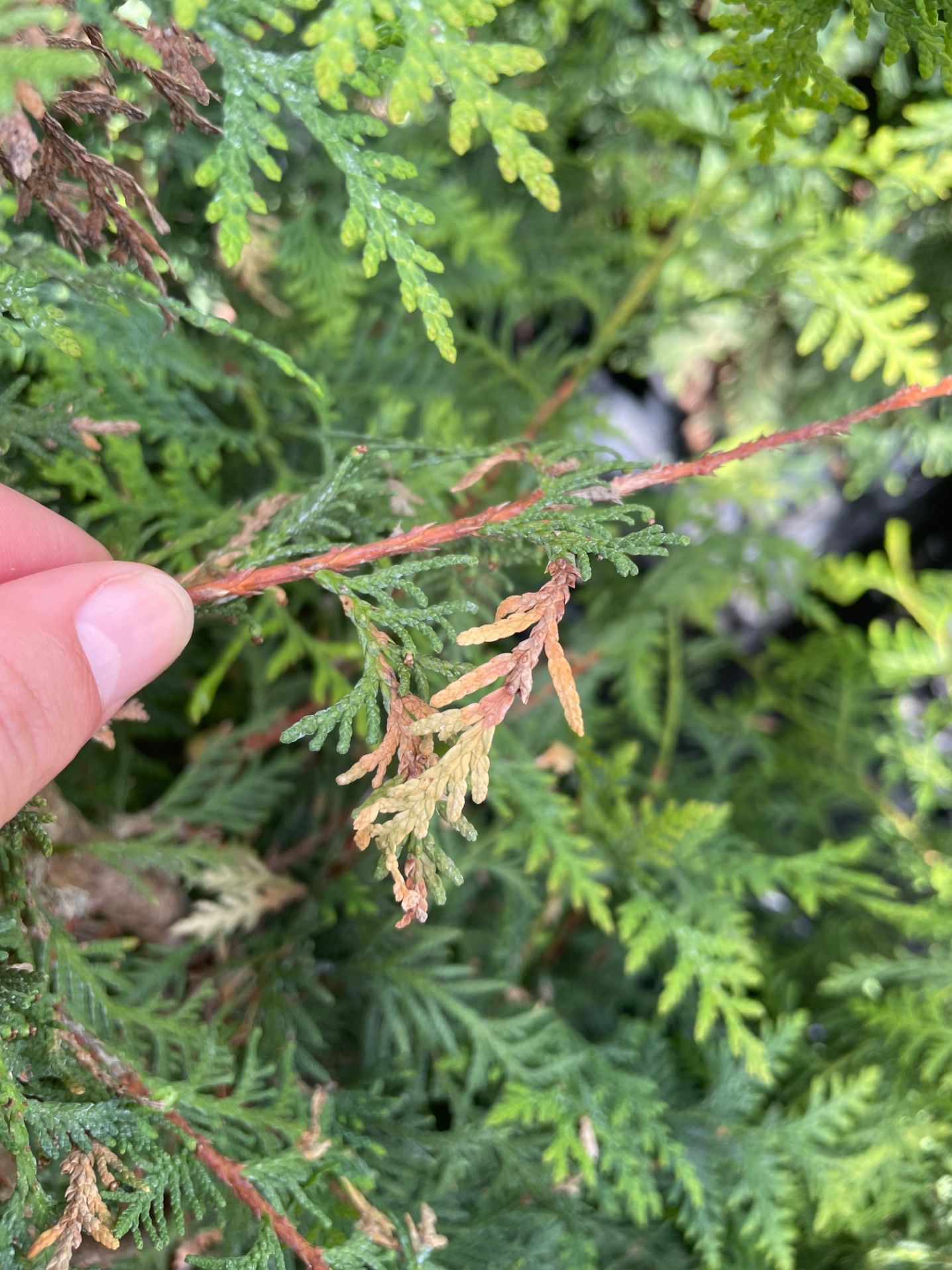
A prominent pest for Thuja at this time are cedar leaf miners. Currently, the cedar leafminers are entering into their next life stage and beginning to pupate on foliage in small, grey cocoons. In the coming weeks, they will start to emerge as small, light grey adult moths. It is recommended, where possible, for growers to prune out infected tips before June to suppress populations. Insecticide applications at this time are not recommended as the larvae have already done their damage and pupae are not vulnerable. Chemical management should be directed more towards intercepting the next generation when the moths emerge and start to lay eggs in June/July.
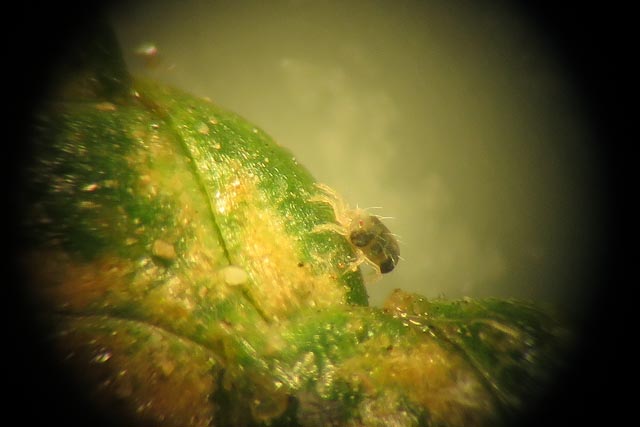
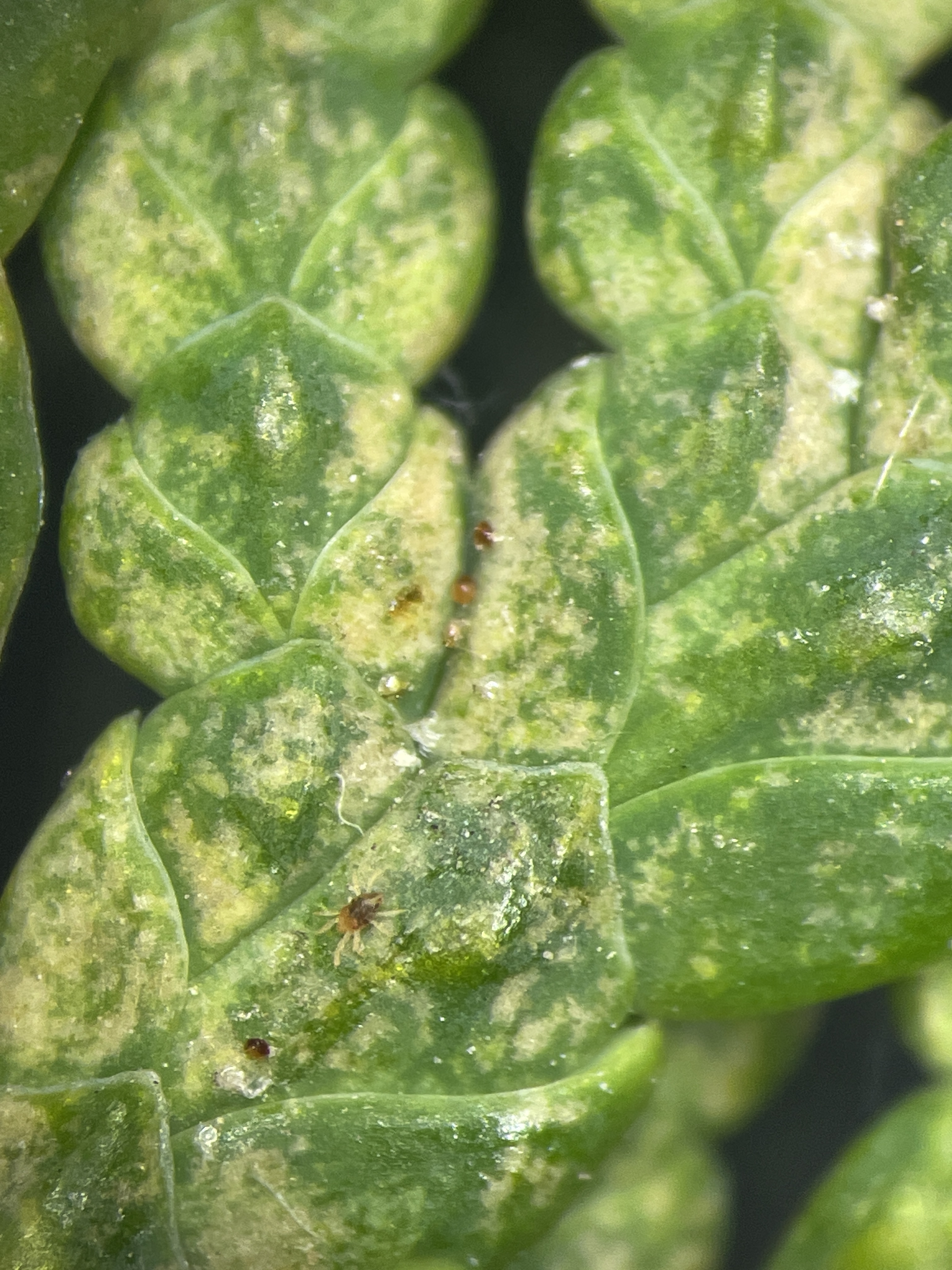
We’ve already seen activity this spring from spruce spider mites that are now feeding on foliage of Thuja, Abies, Picea, and Pinus. Spruce spider mites are cool-season mites, meaning they prefer to feed and are more active in the spring and fall. To monitor for these mites, use a hand lens to check the underside of twigs and needles for tiny brown mites with black backs.
Thought I’d also share this ‘cool’ tip for scouting on cooler spring days. On a particularly cold scouting day last week, while we could see some damage from spruce spider mites during scouting, neither our handlenses nor tap tests revealed any lifestages. One might think there were no mites (sweet victory from last years management!?). But don’t get fooled by these little critters. I pruned off a couple of branches, placed them in a ziplock bag and brought them back to the office to inspect under the microscope. After a couple of hours at room temperature, dozens of mites started popping out from hiding. Moral of the story: don’t just rely on what you see in the field in the moment. It’s really worth having a decent microscope at your farm to look at samples from the field. If you’re thinking about it, there’s a great article on the ONFloriculture blog covering microscope options and features growers should look for when making a purchase:Which Microscope Should you Buy for Your Greenhouse? – ONfloriculture
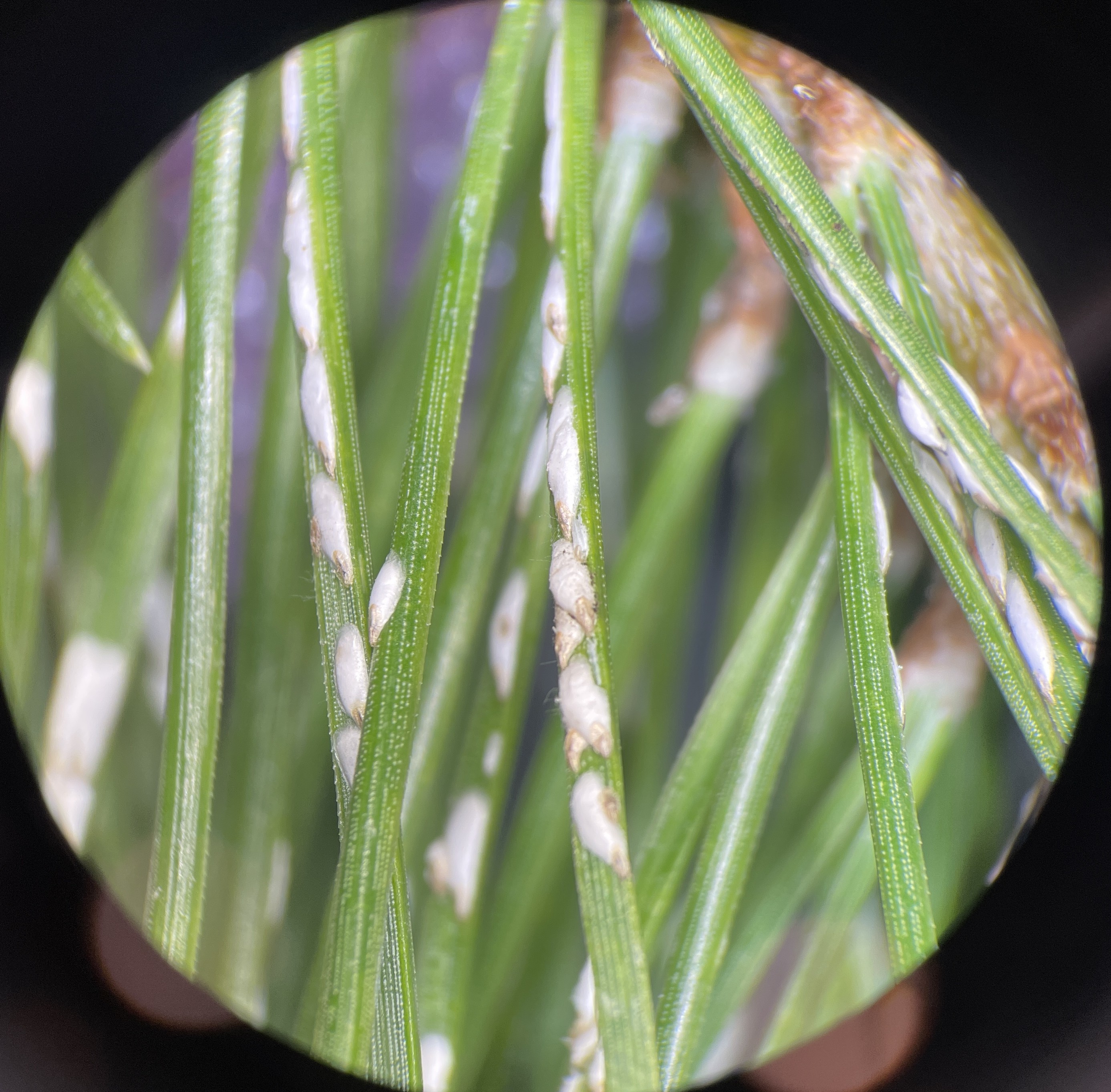
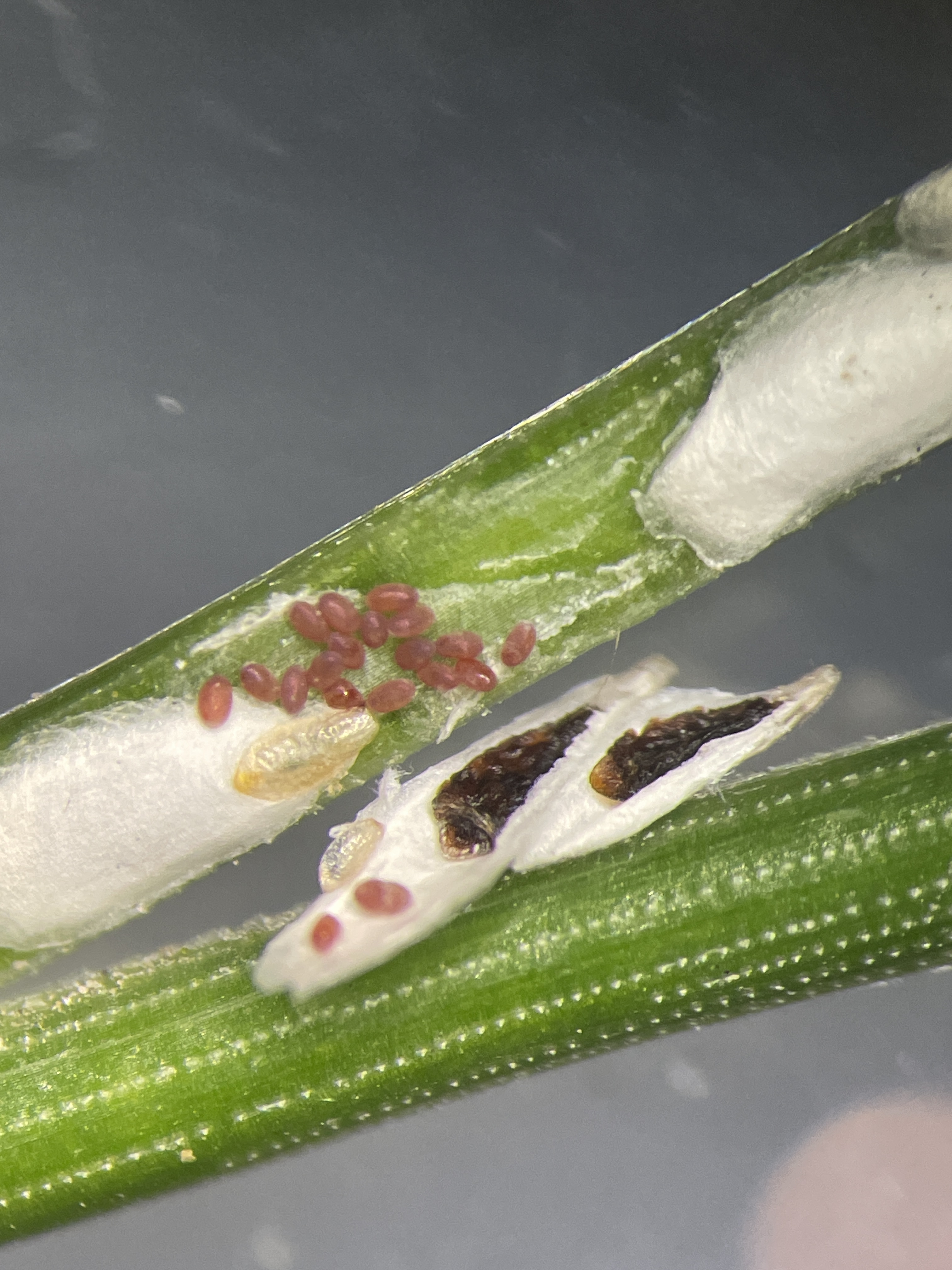
Pine needle scale is another pest we’ve encountered already this spring. The long white scales on the needles of Pinus are hard to miss. Peeling back the protective shell reveals eggs that will hatch soon. Once those eggs hatch, orange coloured mobile crawlers will leave the protection of the scale to look for new feeding spots: this is when they are most vulnerable to insecticide treatments. If egg hatch has not yet occurred, pruning out and destroying those affected branches can also work for small, isolated spots.
Pests of ornamental fruit trees (Malus, Prunus, Pyrus, etc.)
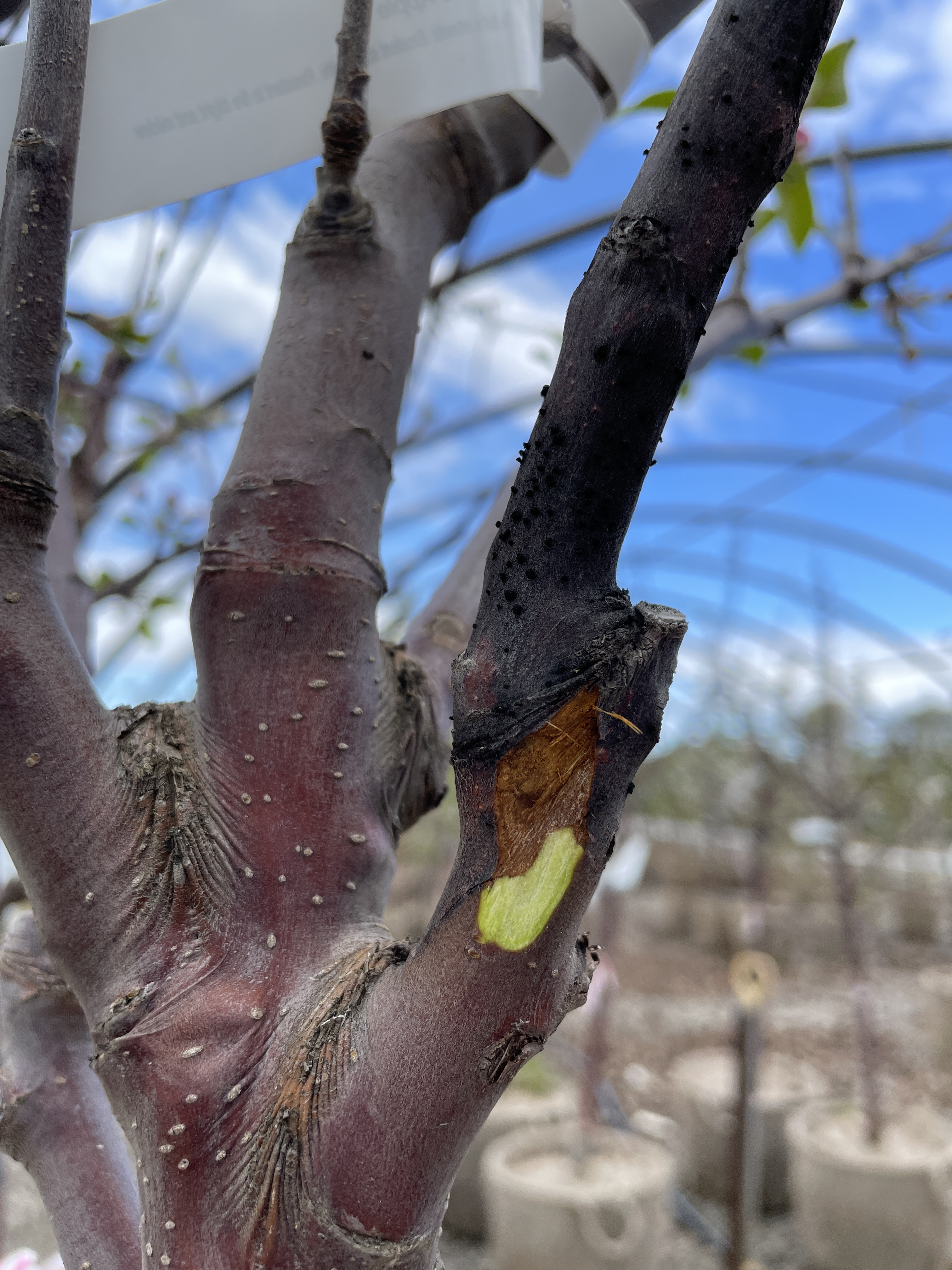
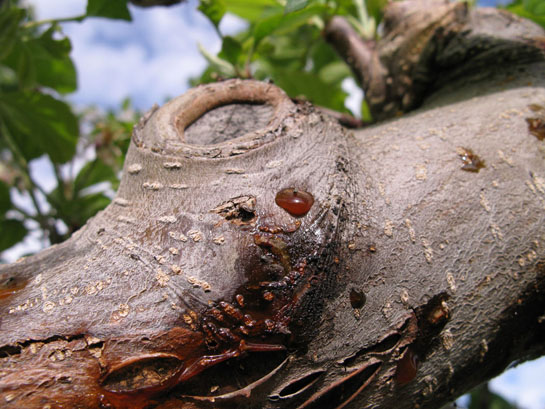
Last week’s heat and rain events triggered a major fireblight risk, specifically a risk of infection into blossoms that remain open. If you’ve struggled with fireblight in the past, antibacterial products such as streptomycin or biological products including ‘Double Nickel LC’ can be applied during flowering to prevent bacteria from entering open flowers. Spring scouting is also when you might notice old fireblight infections.
Pruning out old cankers (in dry conditions) well below the diseased area is also recommended. If you do have to prune, use alcohol or antibacterial products to prevent bacteria from entring into the new pruning wound. And ALWAYS ALWAYS disinfect pruning tools between pruning cuts when working with fireblight hosts. For more detailed information on fireblight management in Malus and fireblight risk maps, check out the ONFruit blog: Fire Blight Risk Increases Across Province – ONfruit
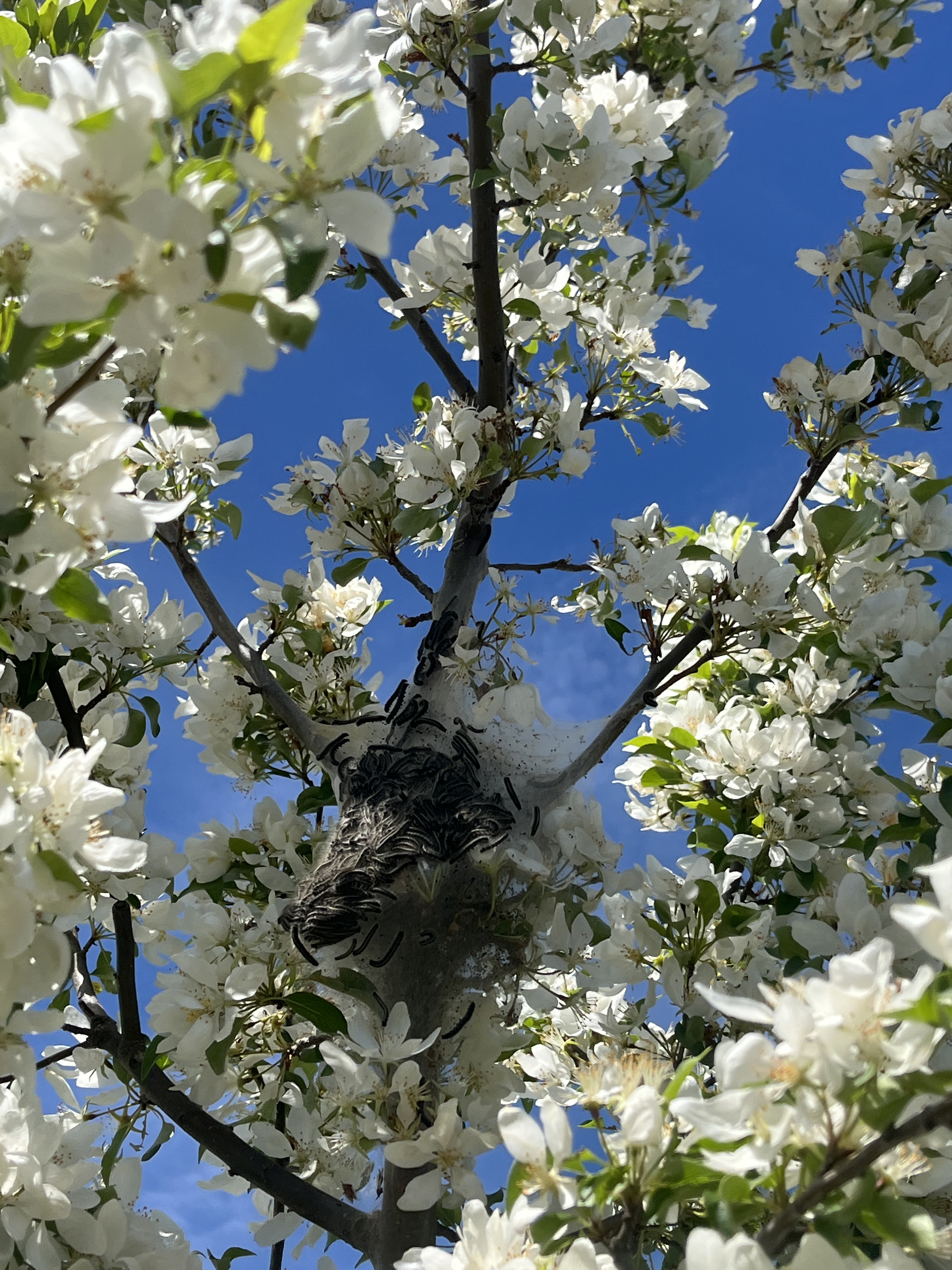
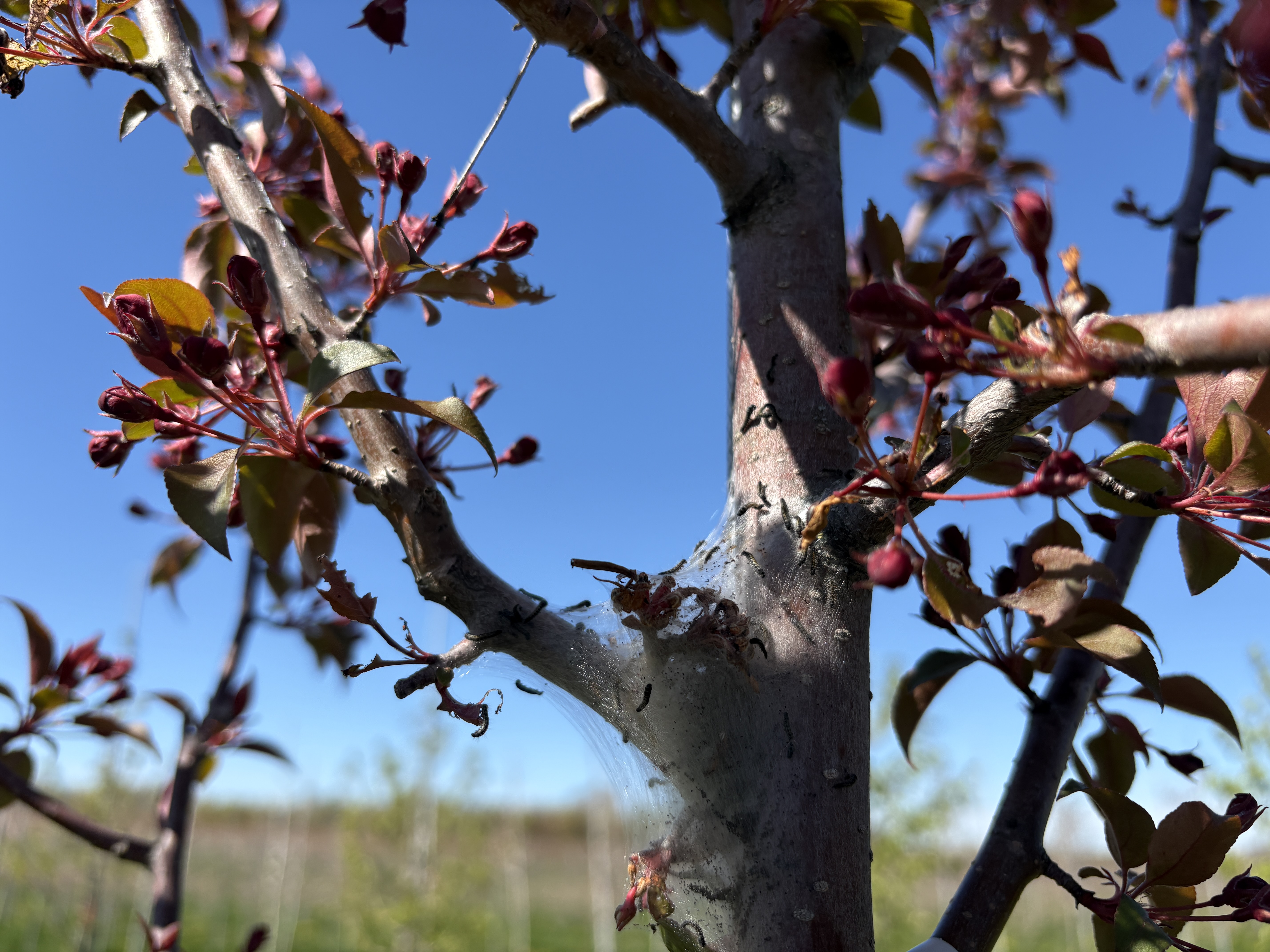
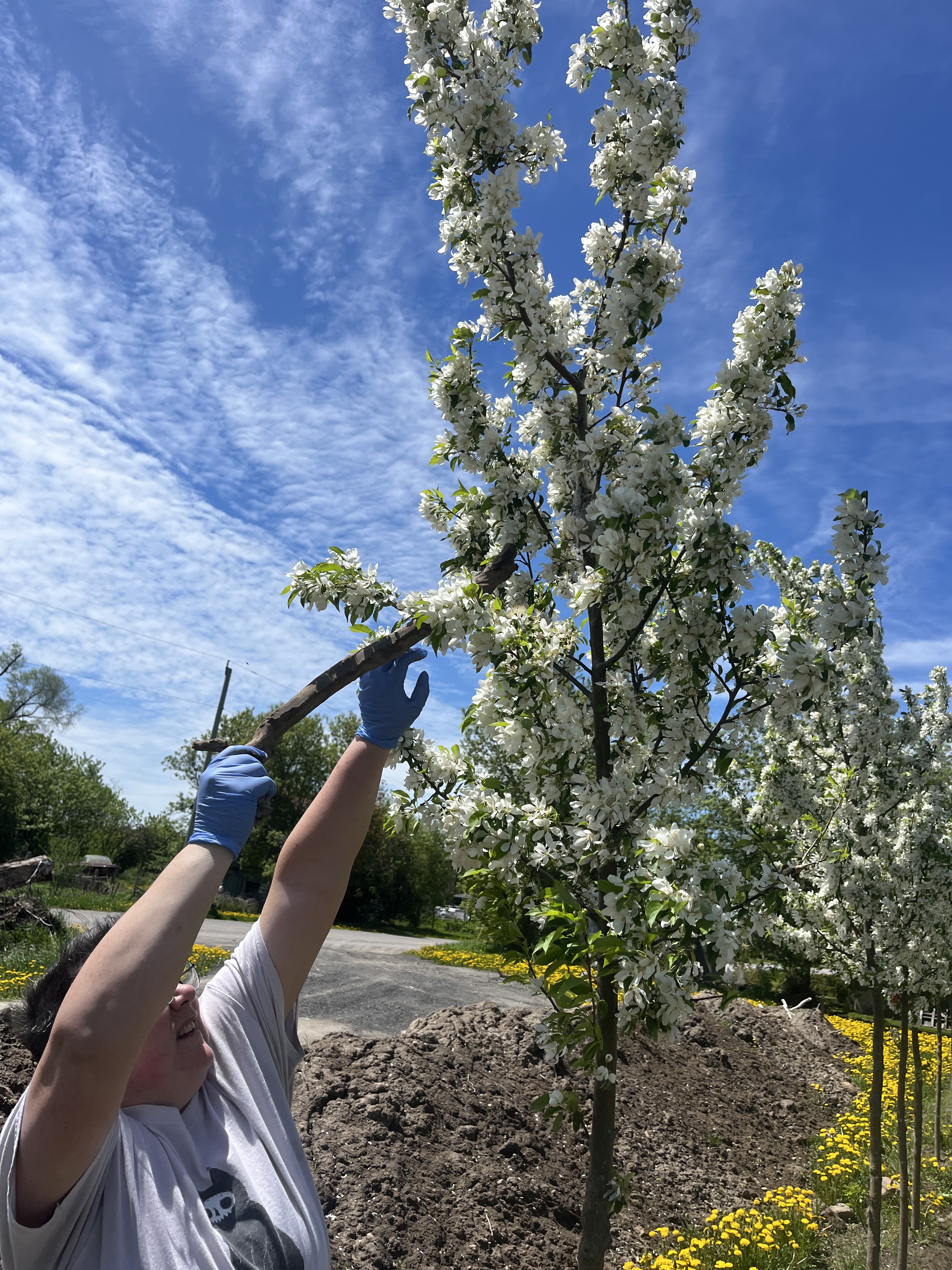
Speaking of pruning out issues, keep an eye out for Eastern Tent Caterpillar nests as they love to nest in many of our ornamental fruit tree varieties and other hosts like Crataegus. Pruning out or other methods of physical removal (i.e. Ree seen below squishing a hard-to-reach nest with a stick) are recommended for nursery trees.
Spongy moth & spring caterpillars are feeding
Cercis canadensis has bloomed in most regions and that is our indicator that spongy moth (Lymantria dispar) larvae have hatched. This pest affects a wide range of species including Linden (Tilia), Elm (Ulmus), Maple (Acer), Birch (Betula), Beech (Fagus), Ash (Fraxinus), Apple (Malus), Spruce (Picea), Willow (Salix), Oak (Quercus), Prunus, and Poplar (Populus). The first instar larvae are small, darkly coloured, hairy caterpillars, with five pairs of blue spots followed by six pairs of red spots along their back that become more visible as they develop. Biological products like Bacillus thuringiensis (BT) can be used on younger nursery stock that are more sensitive to foliar feeding pests. Target applications as soon as larval feeding is observed. Spring applications of BT products against spongy moth can also help reduce populations of other spring feeding caterpillars like fall cankerworm and leaf rollers.
Potato leaf hoppers have arrived
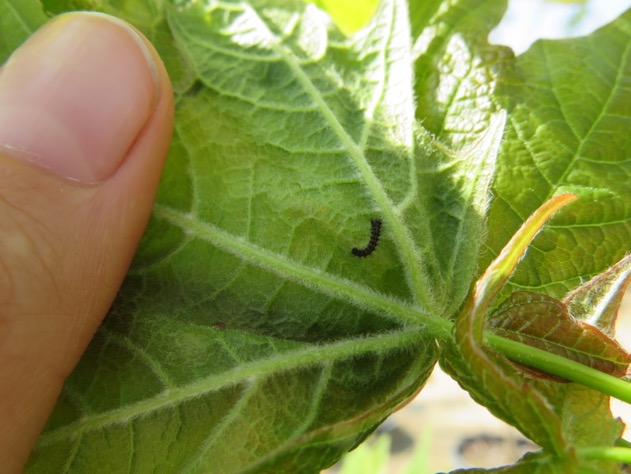
Potato leaf hopper (PLH) have made their annual journey up the wind currents from the south and have started to land in Ontario to feast on all the tender young foliage nurseries have to offer. If you’ve struggled in the past with damage to young Acer plantings or PLH control in general, keep an eye out for that first flush of adults as that tends to be a good time make an application with products such as Altus. Altus will have some residual control to help protect tender young growth from feeding damage we commonly call ‘hopper burn’
Check your beech trees
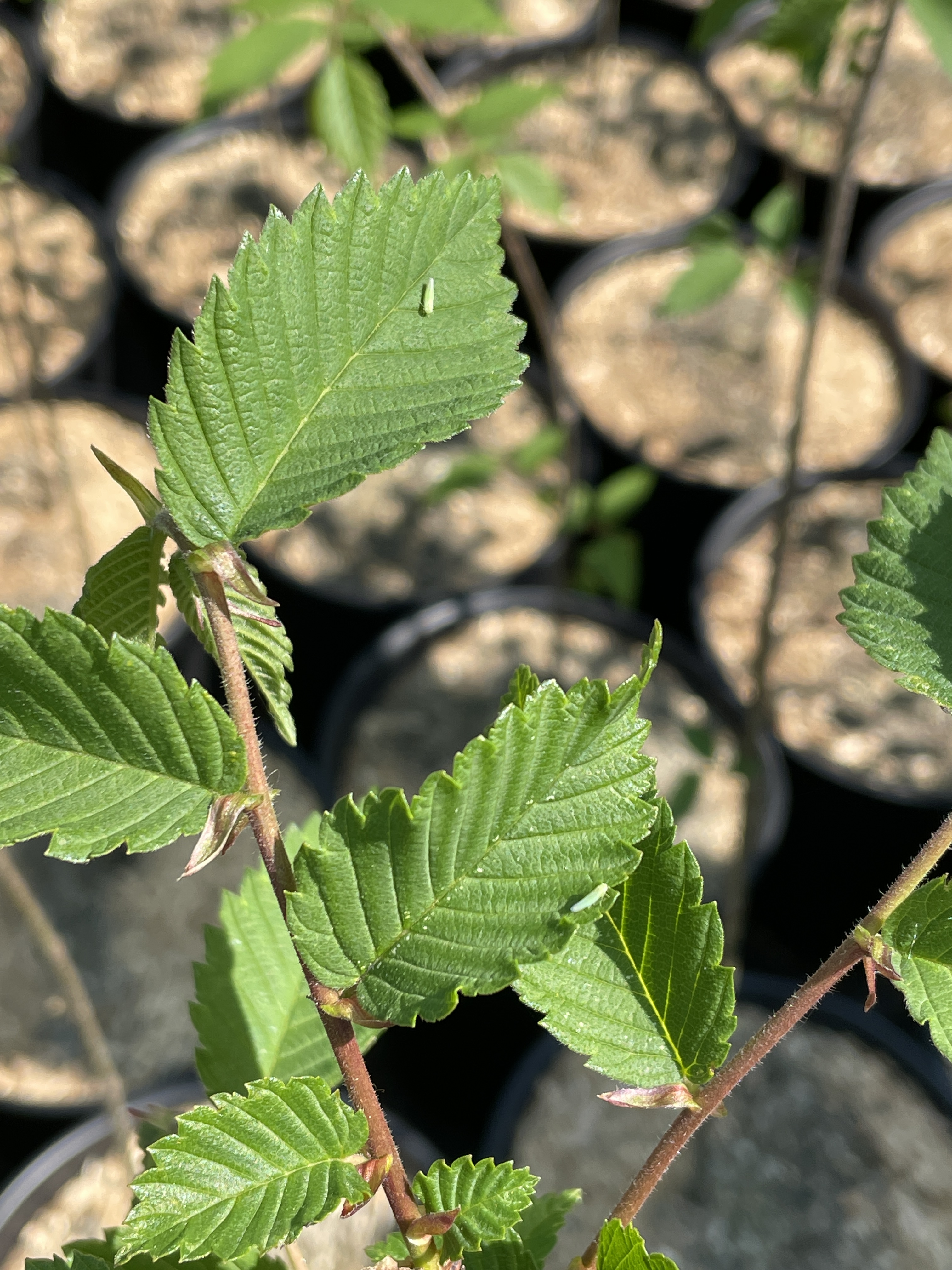
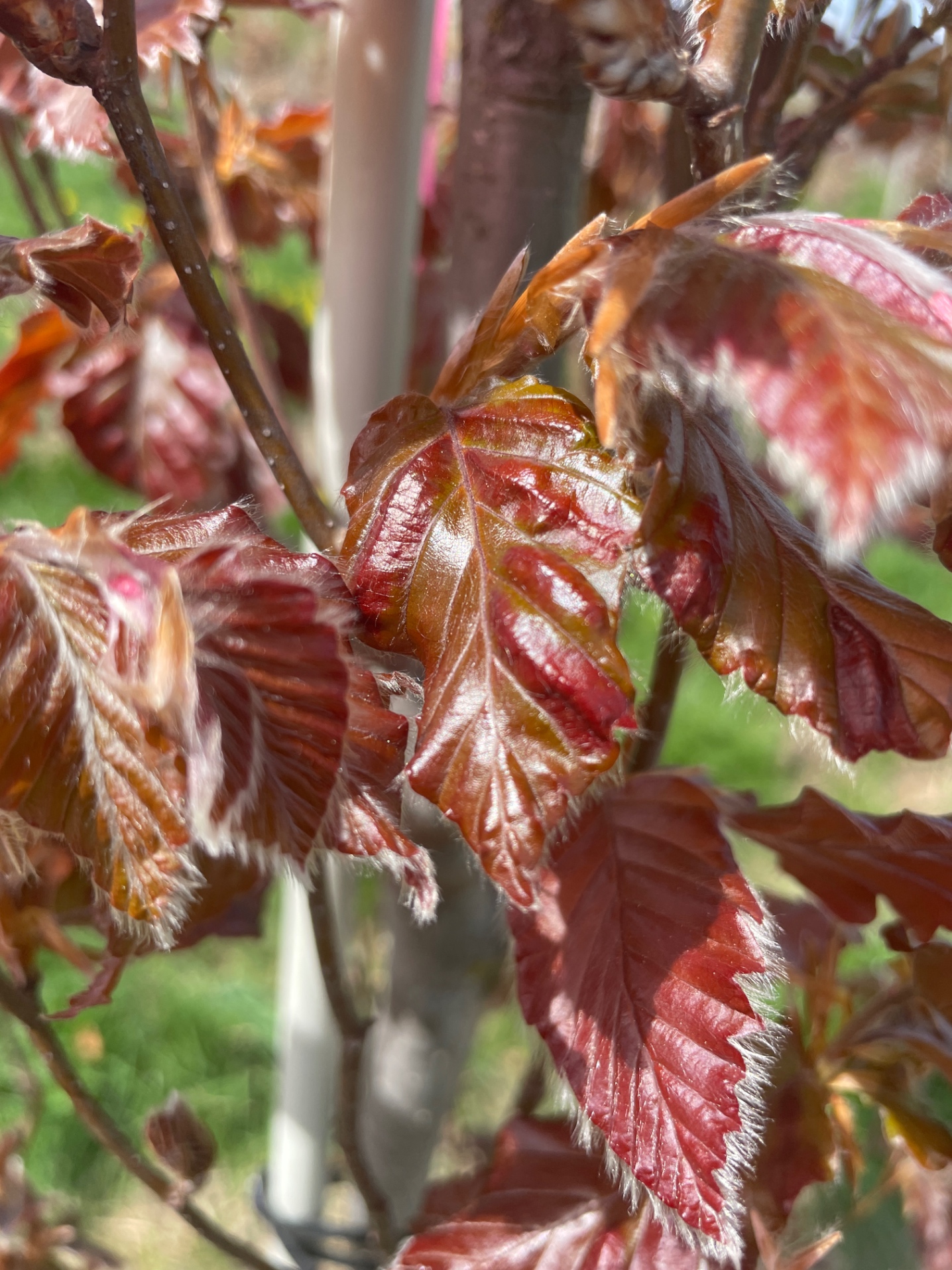
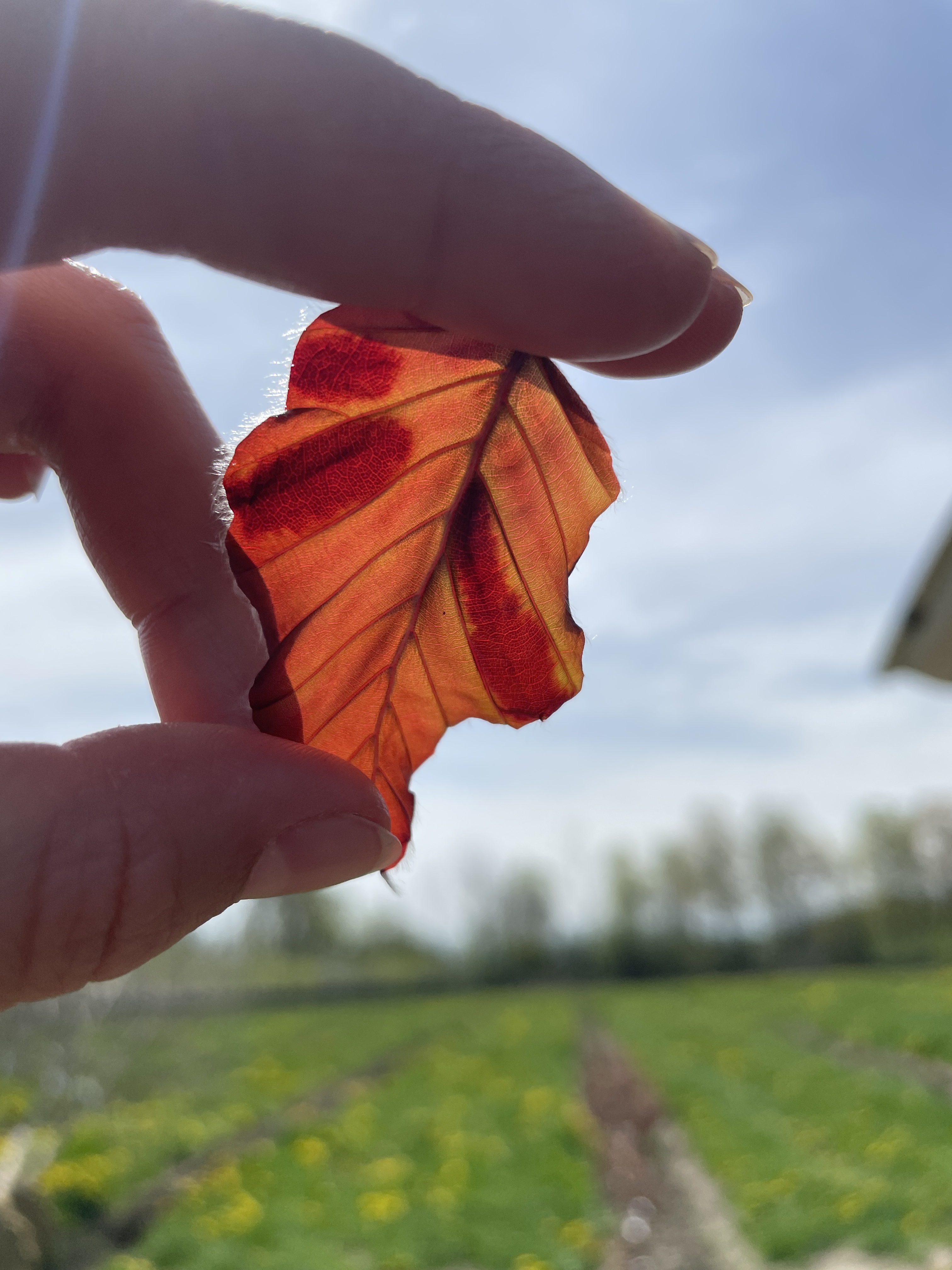
As leaves begin to emerge, we continue to keep an eye on beech leaf disease. It’s important for growers to know what to look out for when it comes to this new issue. The most obvious symptom of beech leaf disease (BLD) is dark coloured banding on leaves restricted by the leaf veins which are visible as soon as the trees begin to leaf out. BLD is a real challenge as it’s caused by a species of foliar nematode that damages developing leaf tissue while in the bud. OMAFA continues to explore potential management tools and strategies, but nothing is currently registered specifically for BLD in nursery stock. More information on beech leaf disease can be found in the previous blog post: Beech Leaf Disease in Ontario: What is it, where is it, and what to look for | ONnurserycrops Blog. Growers can also reach out to Cassie with questions around IPM strategies or ongoing trials.
Boxwood pests
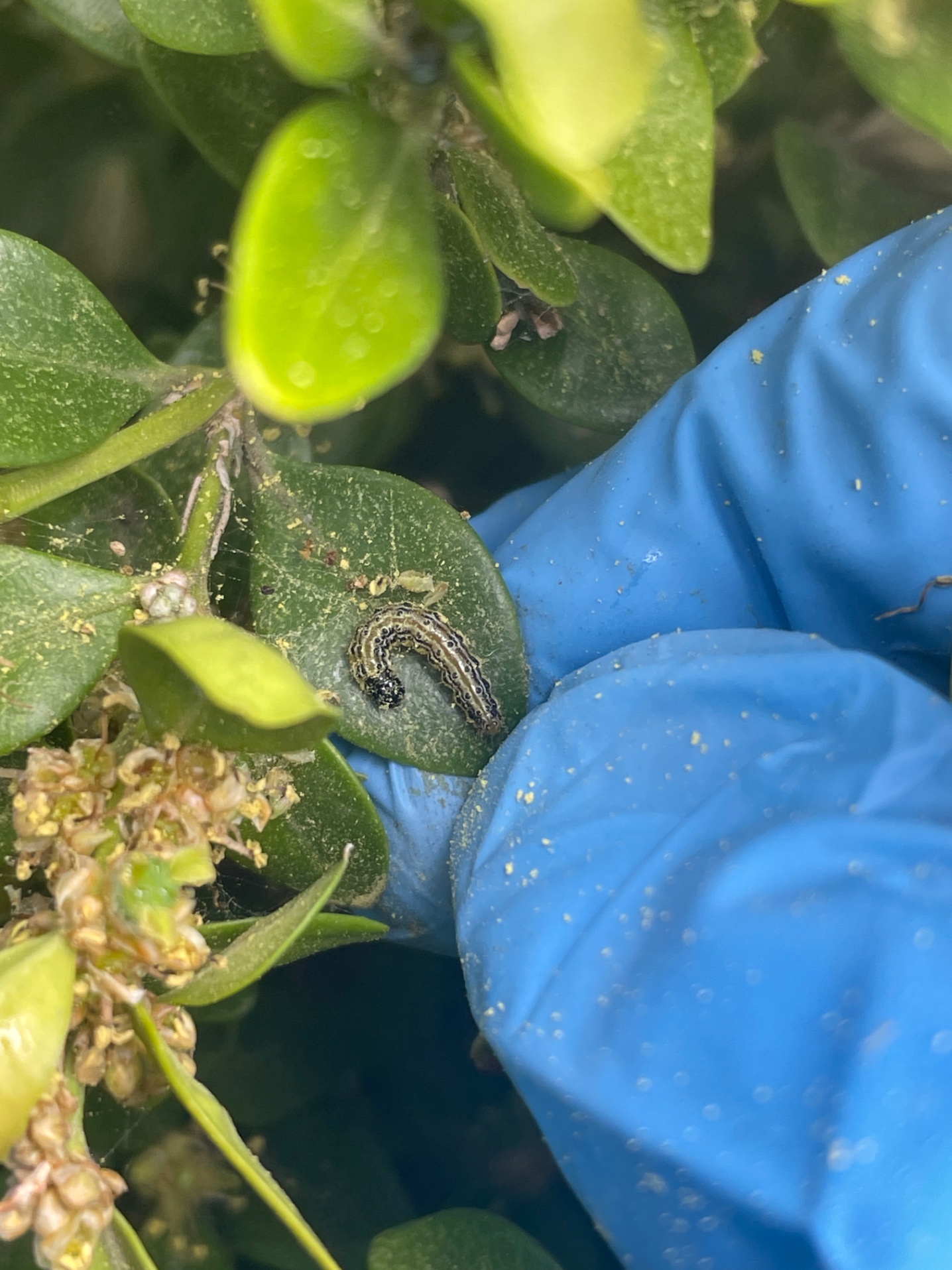
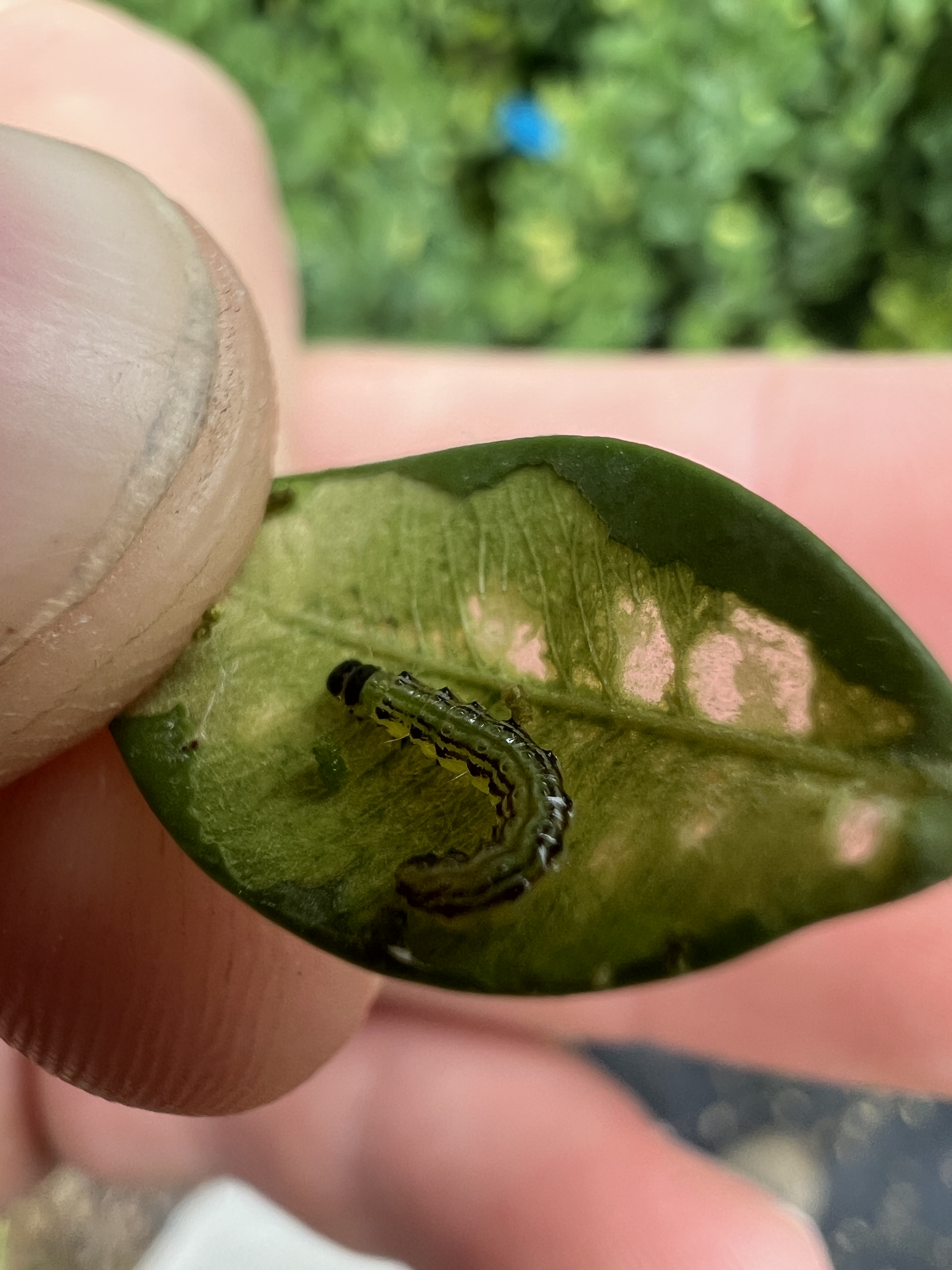
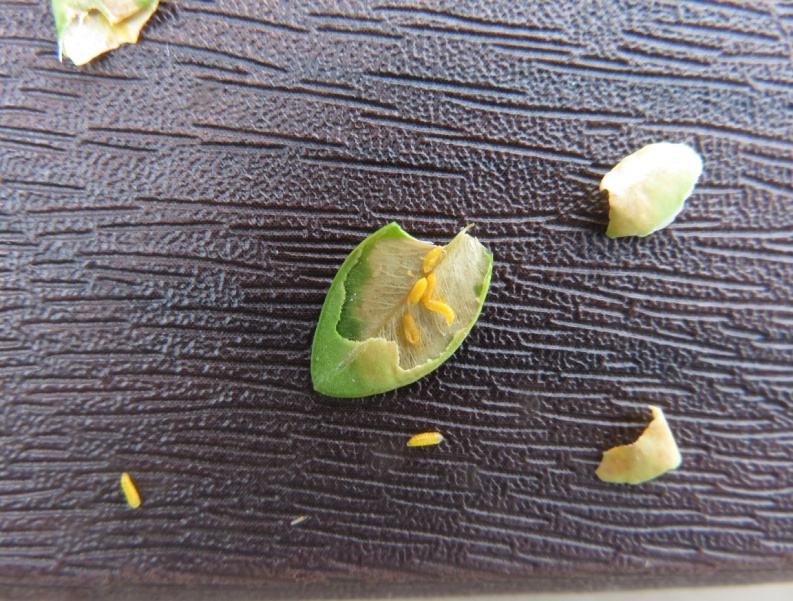
Boxtree moth larvae have emerged from their hibernaria and are starting to feed more regularly on Buxus foliage. This is the time to scout your boxwoods to search for new feeding damage, frass, and larvae. Insecticide applications can be made when larvae are observed.
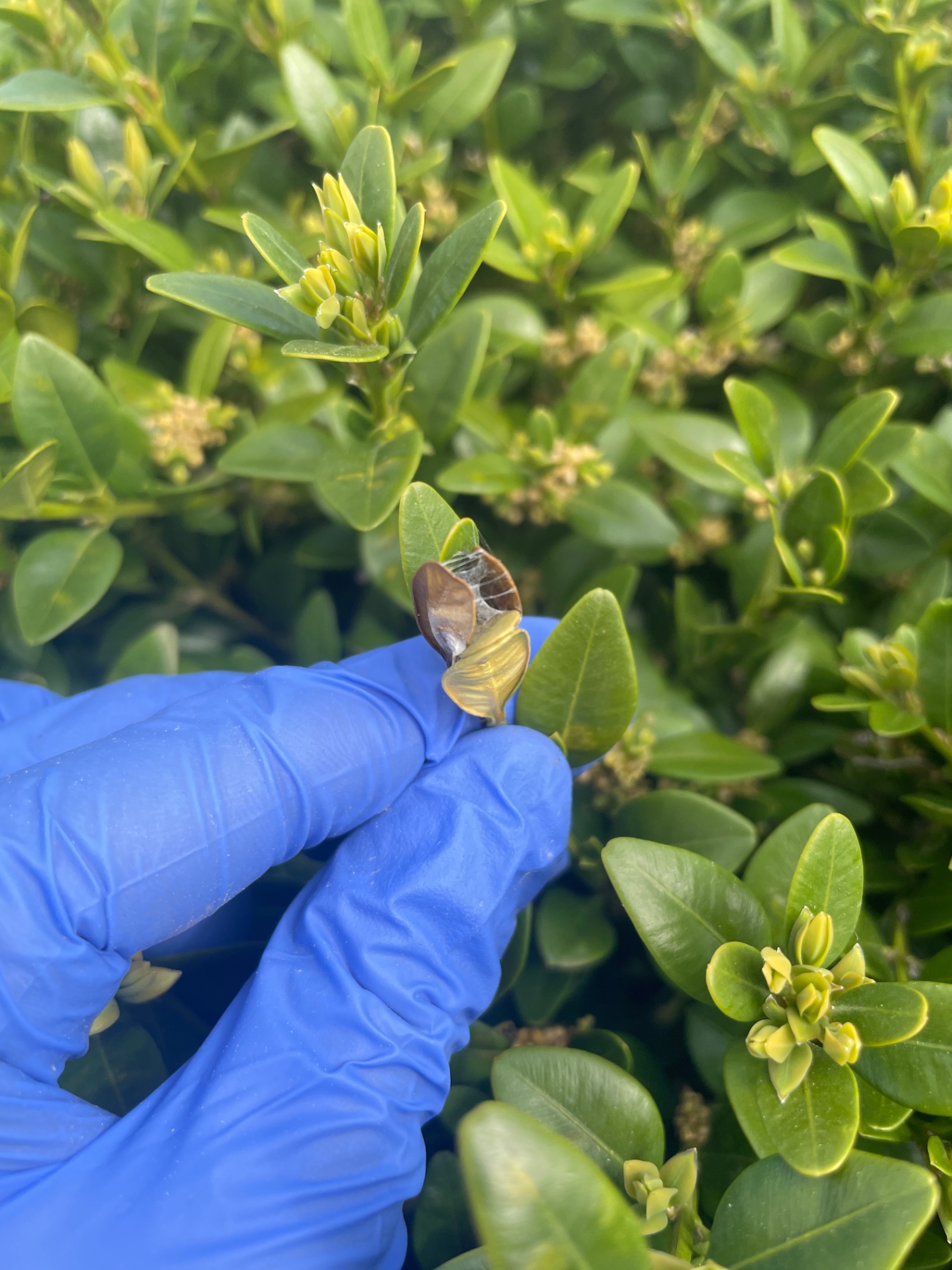
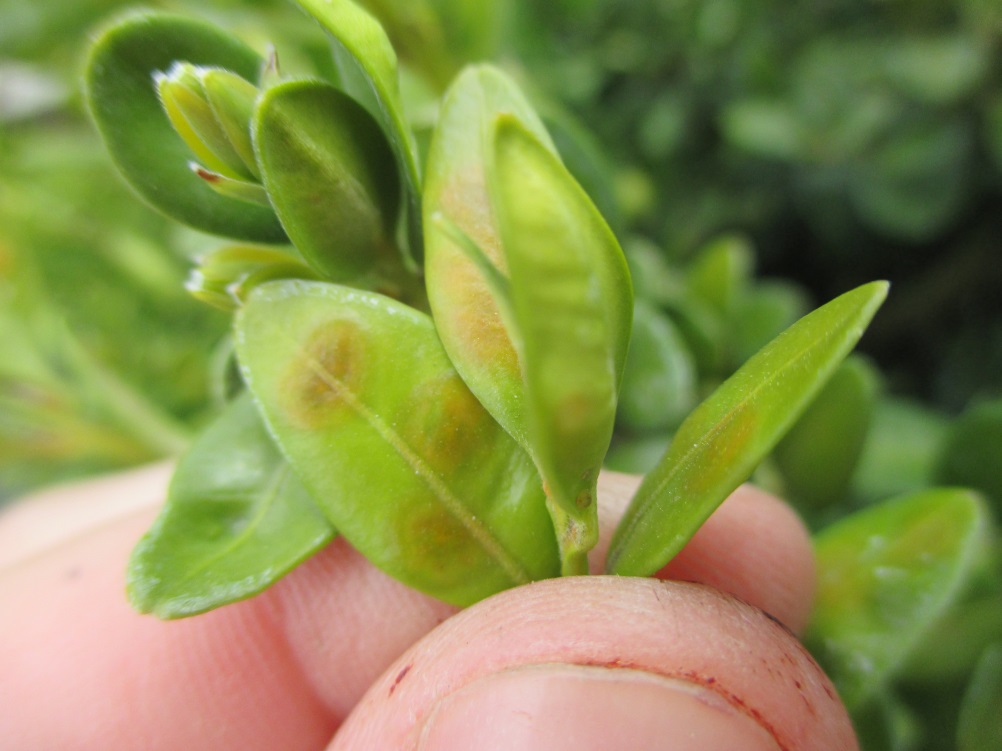
Boxwood leaf miner continue to persist in boxwood and are visible from the large reddish-yellow blisters they create on leaves. Adult emergence will soon be upon us, around 240 GDD, and occurs over a 10–14 day period during the late spring. Adults appear as gnat-like flies that will lay eggs into newly emerged foliage. It is important to target this pest when adult midges begin to appear to reduce successful egg hatch and larvae development that leads to new crop injury. If you need a refresher on this pest, Joe Boggs has a great article posted here: Boxwood Leafminer Adults | BYGL
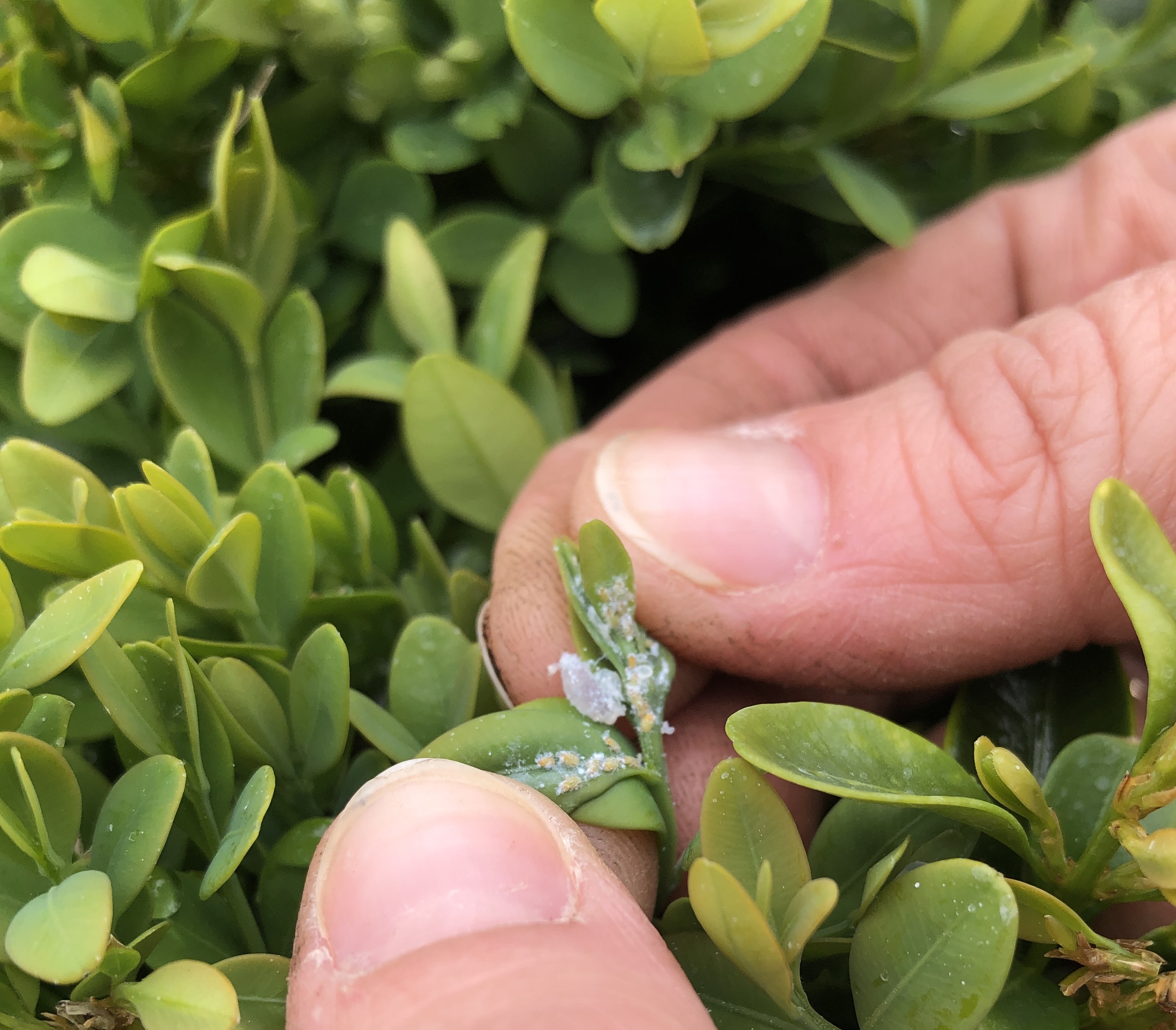
Boxwood psyllids are another common boxwood pest. At this point in time, nymphs are hatching and feeding on the developing leaves of boxwood plants. A sign that boxwood psyllids may be present in your boxwood crop is cupped leaves which protect the nymphs. The optimal time for managing this pest is when new boxwood leaves are emerging and this pest is in its nymphal life stage (now!), as this is the life stage where the boxwood psyllids are most vulnerable to chemical tools.
A reminder about Oaks
We are now in the NO PRUNING window for oak trees to help minimize the risk of oak wilt infections. And that window extends from April to November. Thanfully, no additional cases of Oak wilt have been detected in Canada since the three finds in 2023. As oak wilt is a regulated pest in Canada, The Canadian Food Inspection Agency continues to be the lead and suspected oak wilt cases should be reported to the CFIA. For more information, visit the CFIA’s webpage: Oak wilt
Regulated pests to always be on the watch for
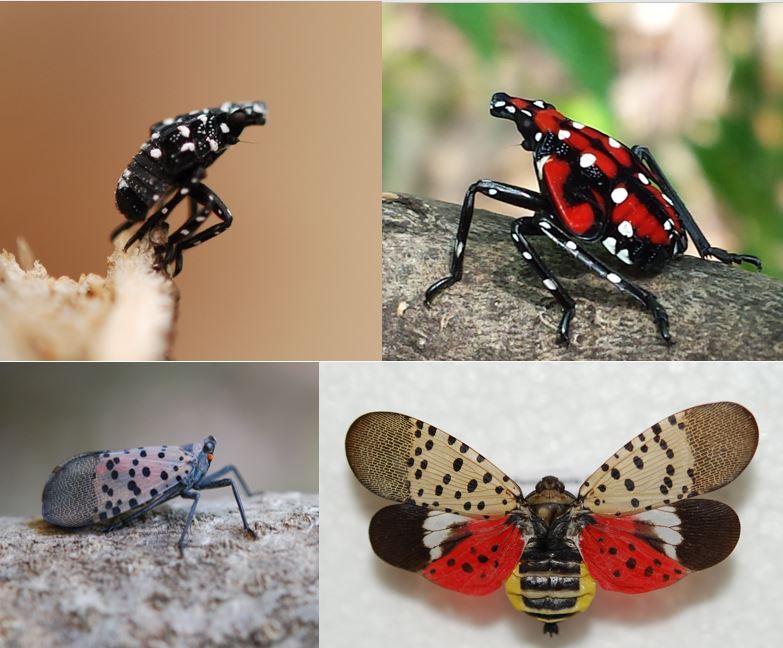
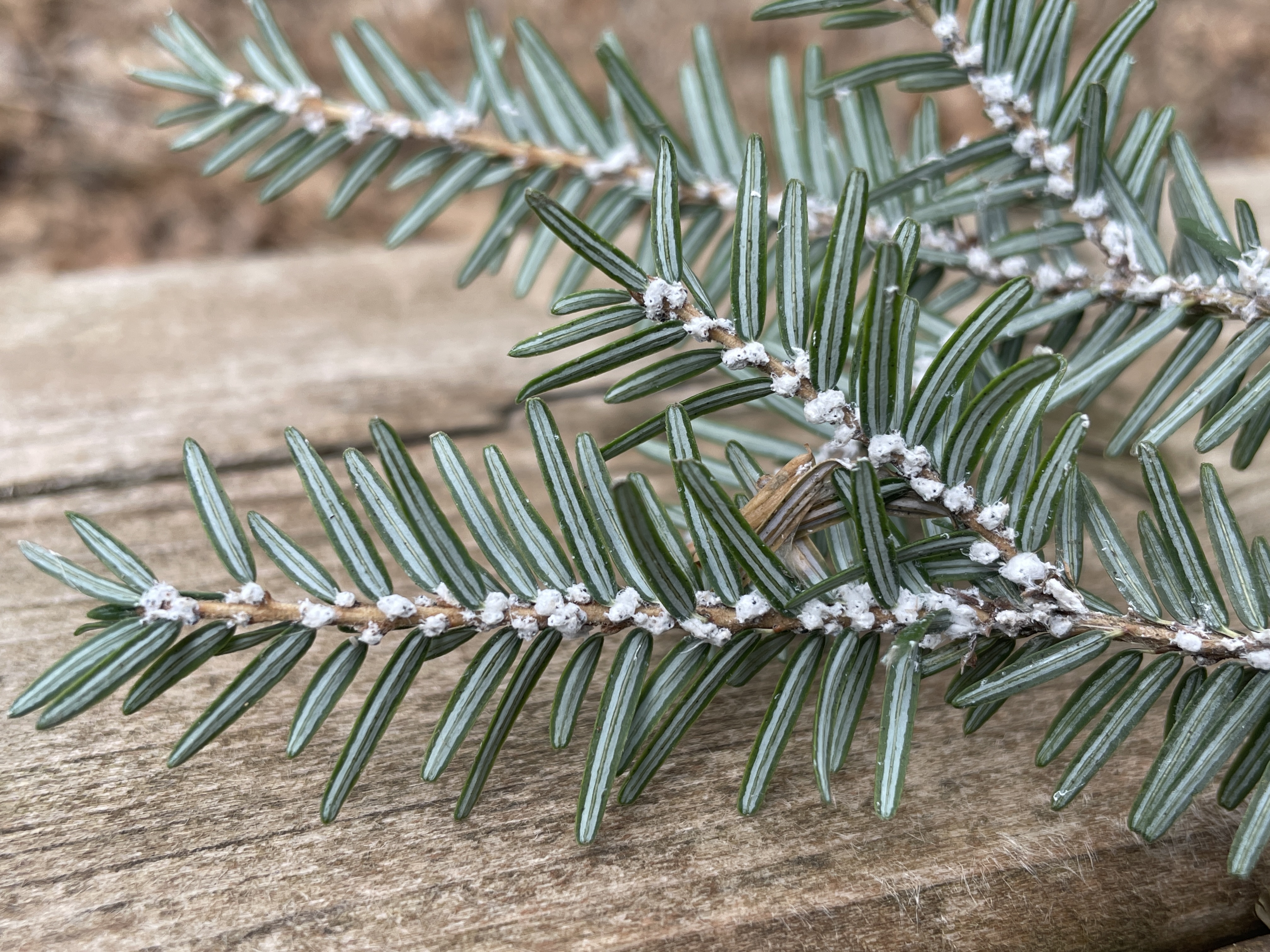
We continue to monitor for invasive and regulated pests, including Hemlock Woolly Adelgid and Spotted Lanternfly.
Nothing to report yet: but everyone should continue to be vigilant and report any suspected findings of regulated pests to the Canadian Food Inspection Agency (CFIA).
Other observations from the field
Within the last week, we’ve seen our first signs of two spotted spider mites and aphids on Roses, Viburnum, hydrangea and more. Elm zigzag sawfly adults have emerged and are begining to lay eggs on Ulmus which will soon turn into artistic zig zag feeding channels on new leaves. Another common sight is bacterial spots and blight on hosts like syringa caused by the bacteria Pseudomonas syringae. Copper sprays can be used to protect emerging foliage from this common bacteria. For a more exhaustive list of pests to be on the lookout for this time of year, see table 2-6 and 2-7 in Publication 841: Click here for a PDF copy of the publication.
More updates throughout the season to come.
– The 2026 Nursery IPM Team!