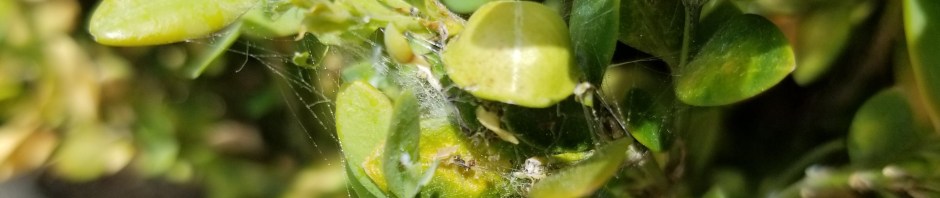
Many regions have seen a small uptick in box tree moth adult catches over the last two weeks, while other trap catches have remained steady since the start of the second adult flight period in mid-August. These constant catches indicate we are in the asynchronous period where we can have overlapping lifestages (eggs, larvae of various sizes, pupae and adults) and generations of box tree moth.
It’s a tricky period to manage BTM and relies on regular scouting and sprays of BTK or other commercial products registered for nursery growers, but there is light at the end of the tunnel. As the last of the adults mate and lay eggs, they have a small window to hatch, feed, and prepare for overwintering. Before box tree moth start to cozy up in their makeshift structures (hibernaria) for the winter, we get one final opportunity to interrupt the cycle and try to reduce the number of larvae that make it to their overwintering stage and become next spring’s pests!
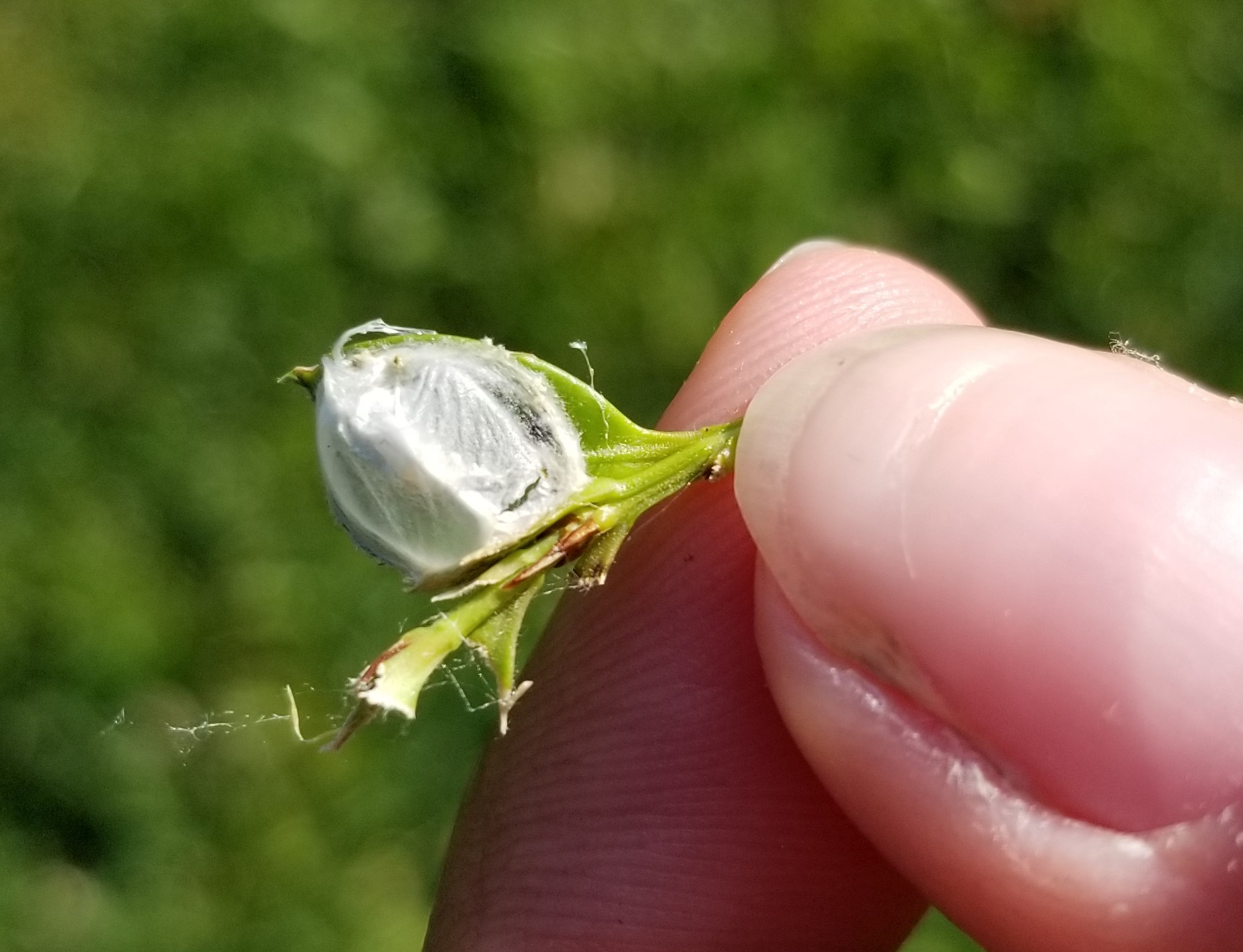
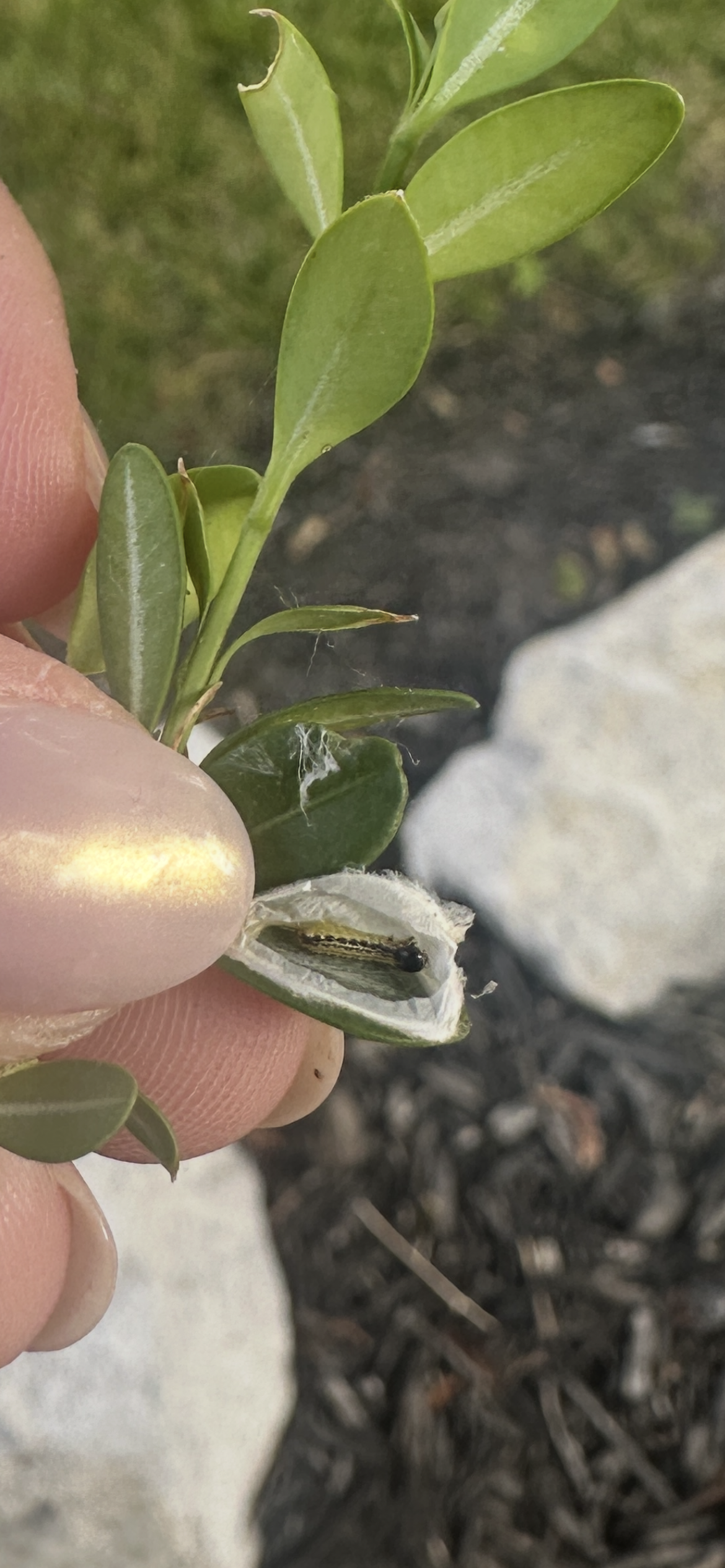
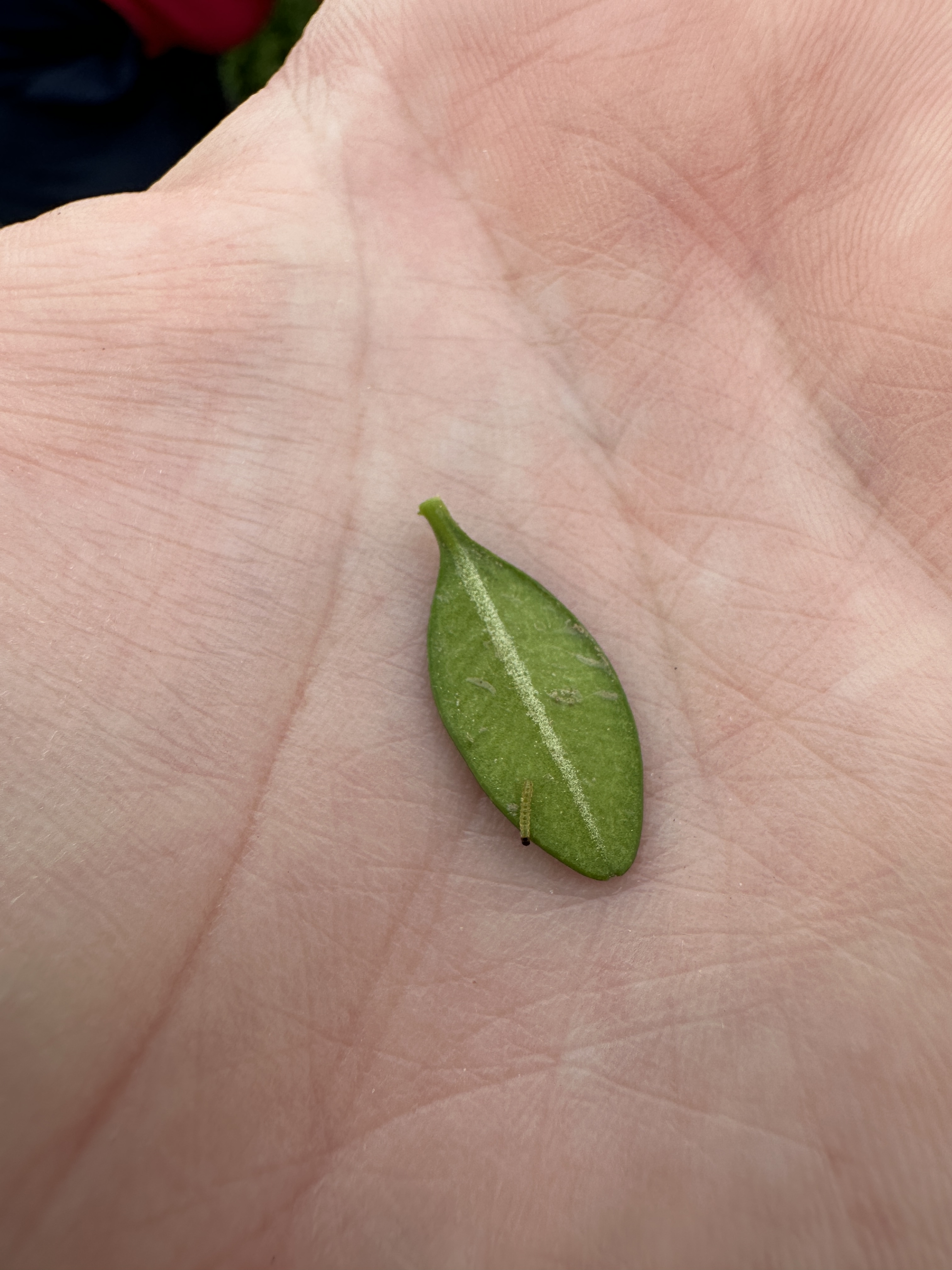
Management for nurseries
Fall applications to target early instar larvae before they create their protective webbed structure for the winter is important for clean plants in the spring. Commercial nurseries have access to BTK products (such as Dipel, Bioprotec Plus, and Xentari) as well as contact spray, Suspend Polyzone (active ingredient – deltamethrin), or Acelepryn (active ingredient – chlorantraniliprole) which is locally systemic.
With some warmer temperatures this week, small larvae will be active and feeding to prepare for their long winter in diapause and can be susceptible to chemical interventions. Note that sprays will not have efficacy against overwintering stages so scouting to ensure you are targetting the right stage and havent missed your fall window is key.
A recap of management in the landscape
In residential areas and landscapes, products with the active ingredient Bacillus thuringiensis kurstaki can be used and sprayed on boxwood where larvae are present and feeding. This can be done one of two ways, by hiring a licensed plant health professional/landscaping contractor to inspect and spray your boxwood or by purchasing a BTK product at a home or garden center to spray yourself.
If you are spraying boxwood, the timing to spray is when you see the larvae and ideally when they are still small (under an inch in length). The larvae that overwinter can be quite small and hard to see, so if you had signs of defoliation and feeding from box tree moth this summer, or maybe your neighbours did, it may be a good idea to do an application.
Ensuring you spray the product thoroughly to cover all the leaves (both on the exterior and in the interior of the plant) is incredibly important. The product must be ingested by the caterpillars to work and can take a couple days until caterpillar mortality. Ensure you inspect boxwood again 7-10 days after a BTK application to determine if treatment was successful or if another application is needed.


