Welcome to the first nursery pest update for 2025! Most regions of Southern Ontario are between the 50-100 GDD (base 10°C) range with full bloom of Syringa vulgaris. In more southern regions such as Harrow and the Niagara peninsula, GDD is between 120-160 (base 10°C) and Aesculus hippocastanum is at full bloom.
So far we are behind our 10 year average for precipitation in the month of May, but we have some in the forecast (along with cool temps) for this week.
With the rainy few days ahead: Let this be your reminder that we have an increased risk for bacterial and fungal leaf spots due to longer leaf wetness periods. Spacing and airflow is your best friend. And if you have Malus still in bloom, fireblight infections through open flowers is also possible and something to keep an eye out for in the coming weeks.
Remember, fungicides protect and prevent, they don’t cure! Most fungicides out there are only locally systemic, meaning they will translocate within the leaf to an extent and protect tissue that is already there. As soon as you have new growth: that tissue is not covered and protected.
Below we will cover some common pests we are seeing this spring and that you can keep an eye out for at your nursery. For a more extensive list of pests to scout for at this time of year, please refer to OMAFA publication 841.
- Pests of conifers (Thuja, Abies, Picea, Pinus)
- Check your beech trees, please!
- Boxwood pests
- Spongy moth hatching
- A reminder about Oaks
- Other observations from the field
Pests of conifers (Thuja, Abies, Picea, Pinus)
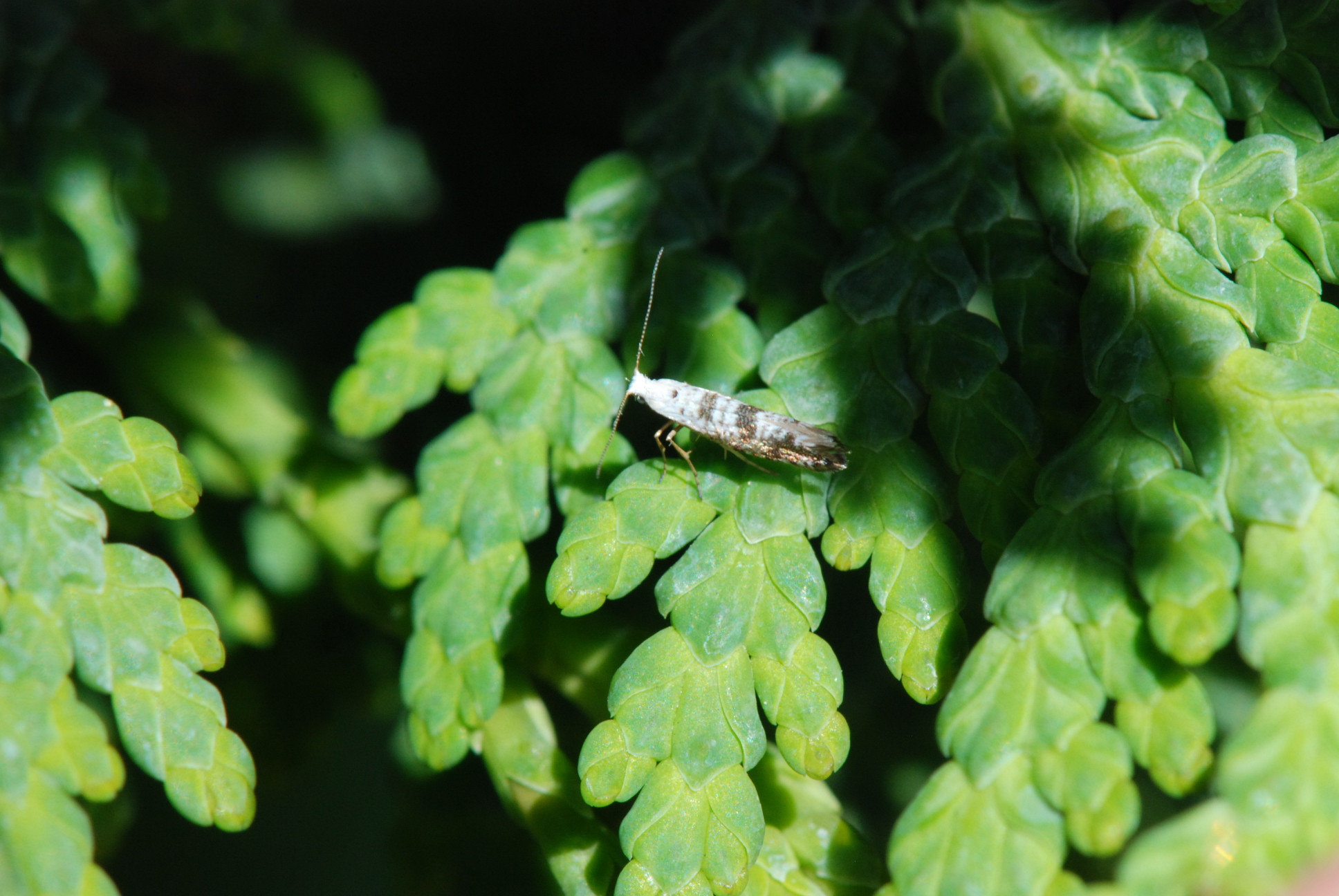
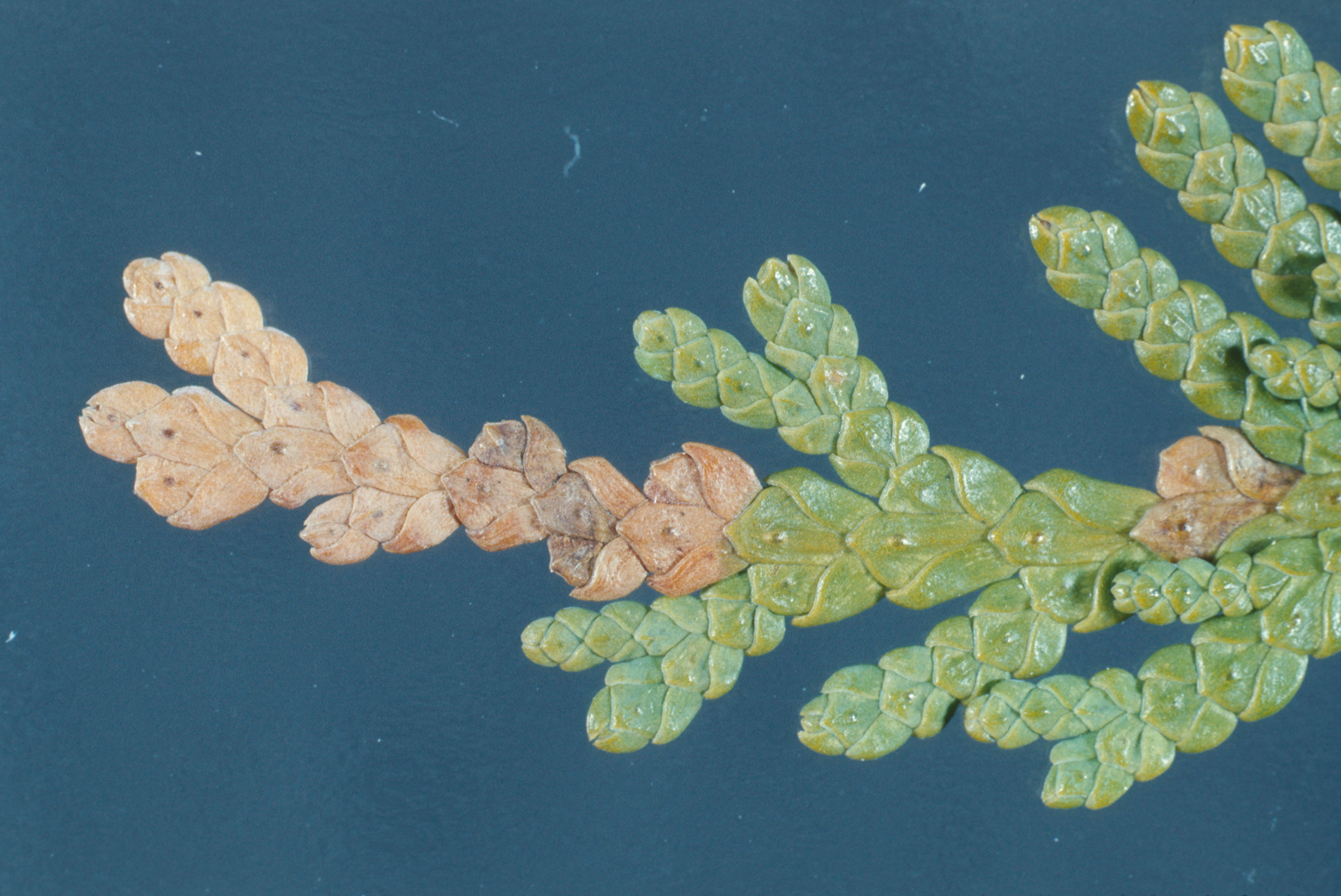
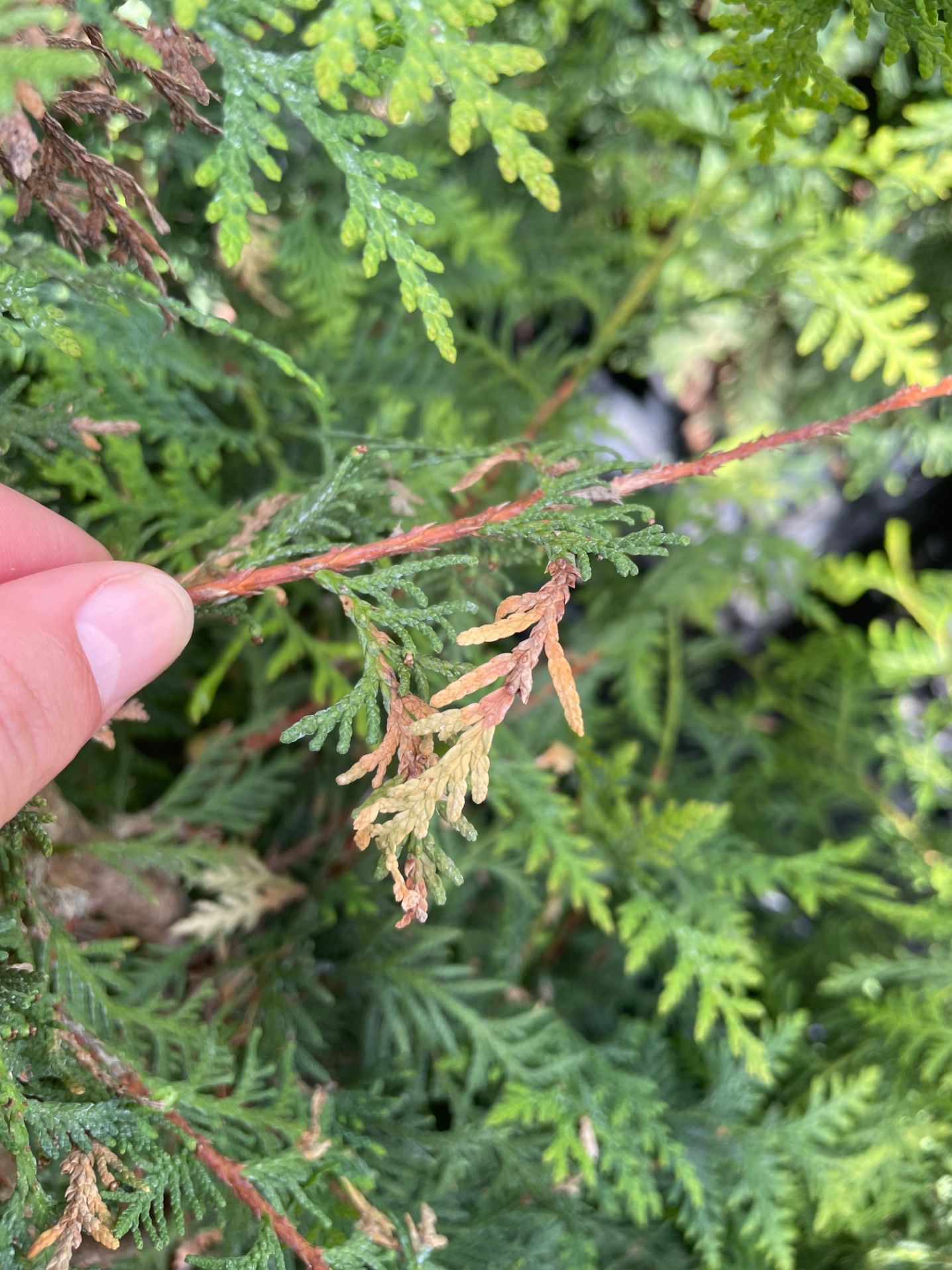
A prominent pest for Thuja at this time are cedar leaf miners. Larval feeding causes branch tips to become discoloured, turn brown, and die. Currently, the cedar leafminers are entering into their next life stage and beginning to pupate on foliage in small, grey cocoons, and will emerge as small and light grey adult moths in mid June to early July. It is recommended, where possible, for growers to prune out infected tips before June to suppress populations. Insecticide applications at this time are not recommended as the larvae have already done their damage and pupae are not vulnerable. Chemical management should be directed more towards intercepting the next generation when the moths emerge and start to lay eggs.
Fletcher scale is a pest we’re seeing in our scouting this spring that not only affects thuja, but Taxus also. As the Fletcher scale enters its adult life stage, keep an eye out for a reddish-brown sphere on the branches of Thuja and Taxus sp. Other indicators of Fletcher scale infection are black honeydew and black sooty mold on the needles or leaves in mid-to-late Spring. Heavily infected plants may become discolored. Chemical management can help suppress this pest but is best used in July when Yucca Filamentosa is blooming, which is when newly emerged crawlers are present or in September when the nymphs migrate. For more information on chemical tools, see OMAFA Publication 840.
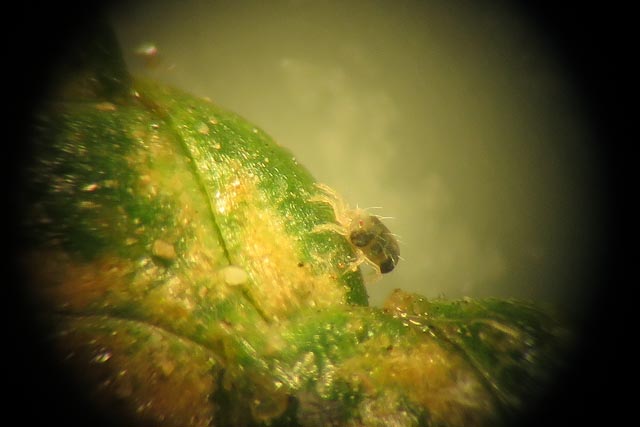
Spruce spider mites have hatched are now feeding on foliage of Thuja, Abies, Picea, and Pinus. Spruce spider mites are cool season mites, meaning they prefer to feed and are more active in the spring and fall. These mites prefer older needles as feeding sites. To monitor these mites, use a hand lens to check the underside of twigs and needles for tiny brown mites with black backs. Another effective management technique is to shake a branch over a white piece of paper and look for crawling mites. While low populations can be managed from beneficial insects and other predatory mites, some growers in the past have delt with outbreaks. In those cases, it is recommended to apply miticide when mites first appear to keep populations at bay.
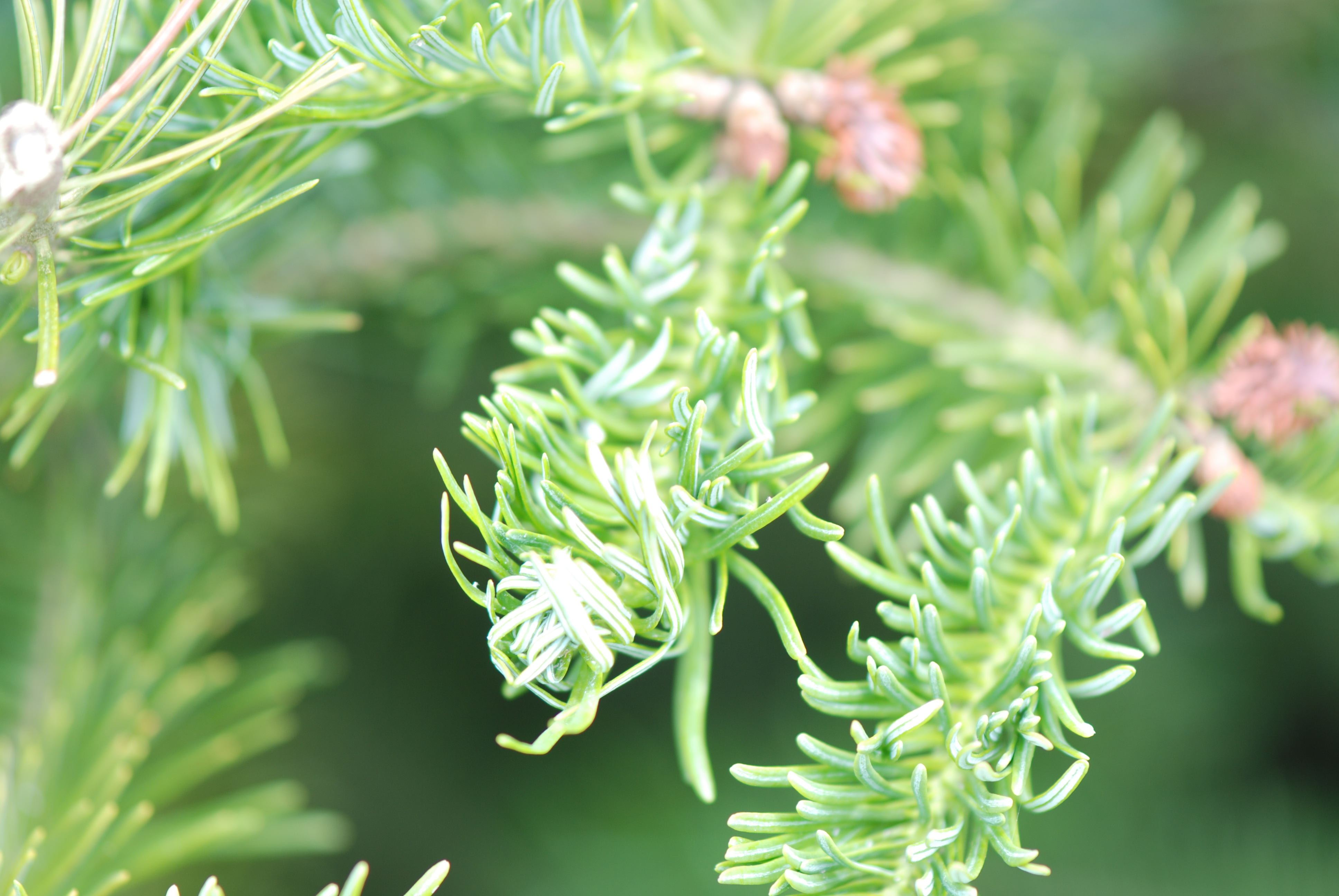
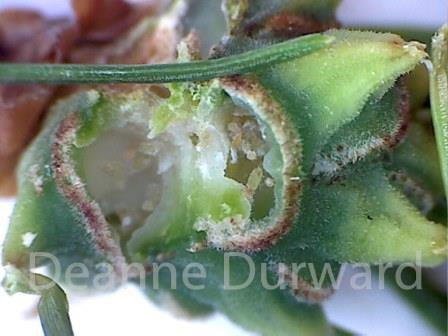
Balsam twig aphid nymphs have emerged and are starting to affect their preferred host plant, Abies. Emergence commences in early spring when bud caps begin to loosen, but before new growth emerges. This pest goes on to cause curling of needles and distortion of shoots, creating gall-like swellings on the stems. While the symptoms of this pest are unlikely to kill the affected trees, they certainly cause major aesthetic damage in high populations. However, some damage can be naturally remediated when affected mature foliage eventually drops or as the shoot grows. An effective scouting practice to monitor these aphids is tapping twigs on a dark surface and looking for tiny, off-white aphids. The best time to treat plants is during the first generation of aphids when growing degree days are in the range of 180-250 (base 10°C), coinciding with bud swell. Second generation nymphs are more difficult to target due to the protective, waxy coating they form.
Cooley and eastern spruce gall adelgids are beginning to feed on spruces this month also. The nymph life stage of these adelgids feeds inside galls on current year’s shoots and these galls eventually become discoloured and deformed due to feeding injury. In cases of light infestation, remove and destroy galls before midsummer.
Check your beech trees, please!
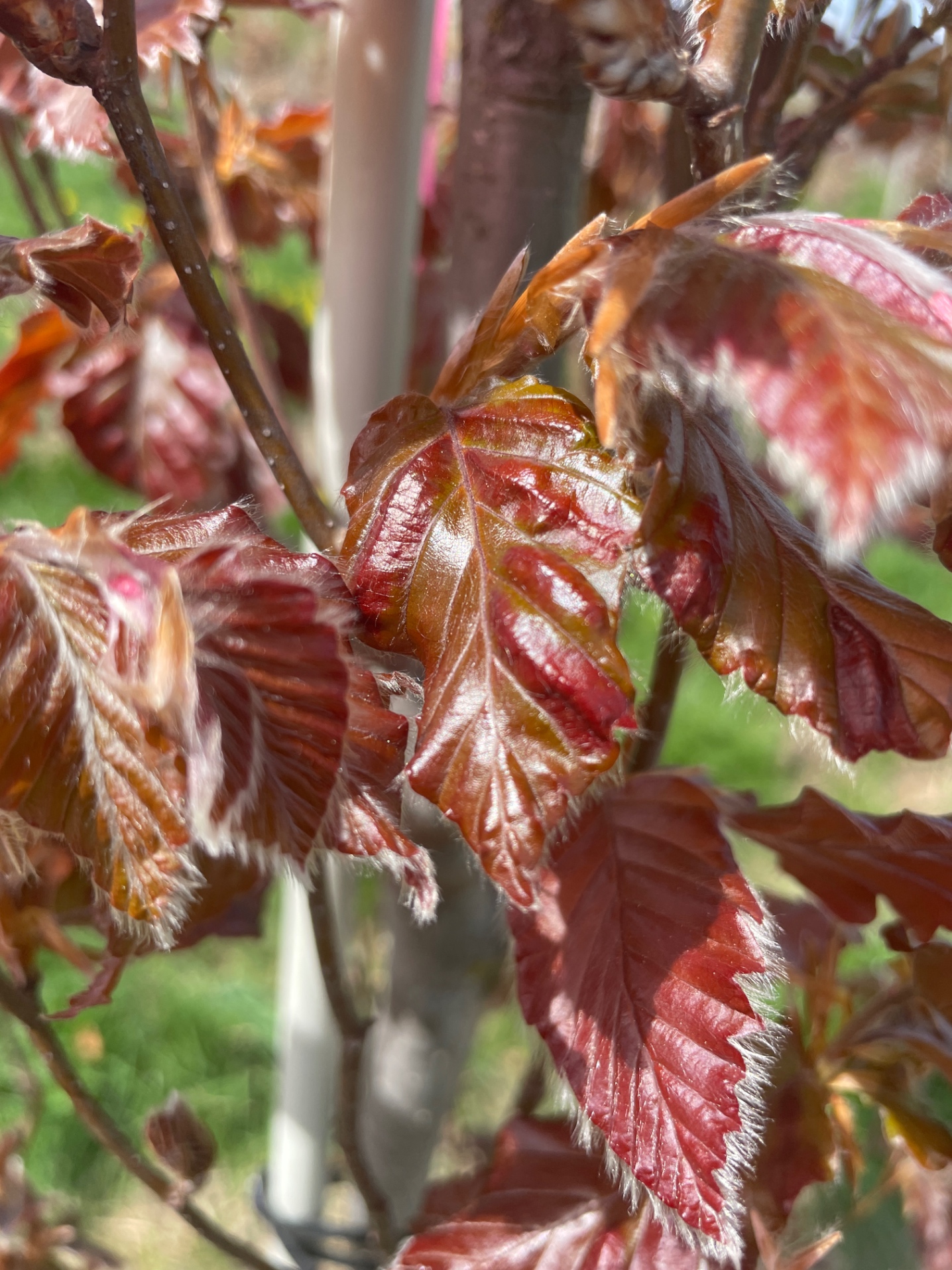
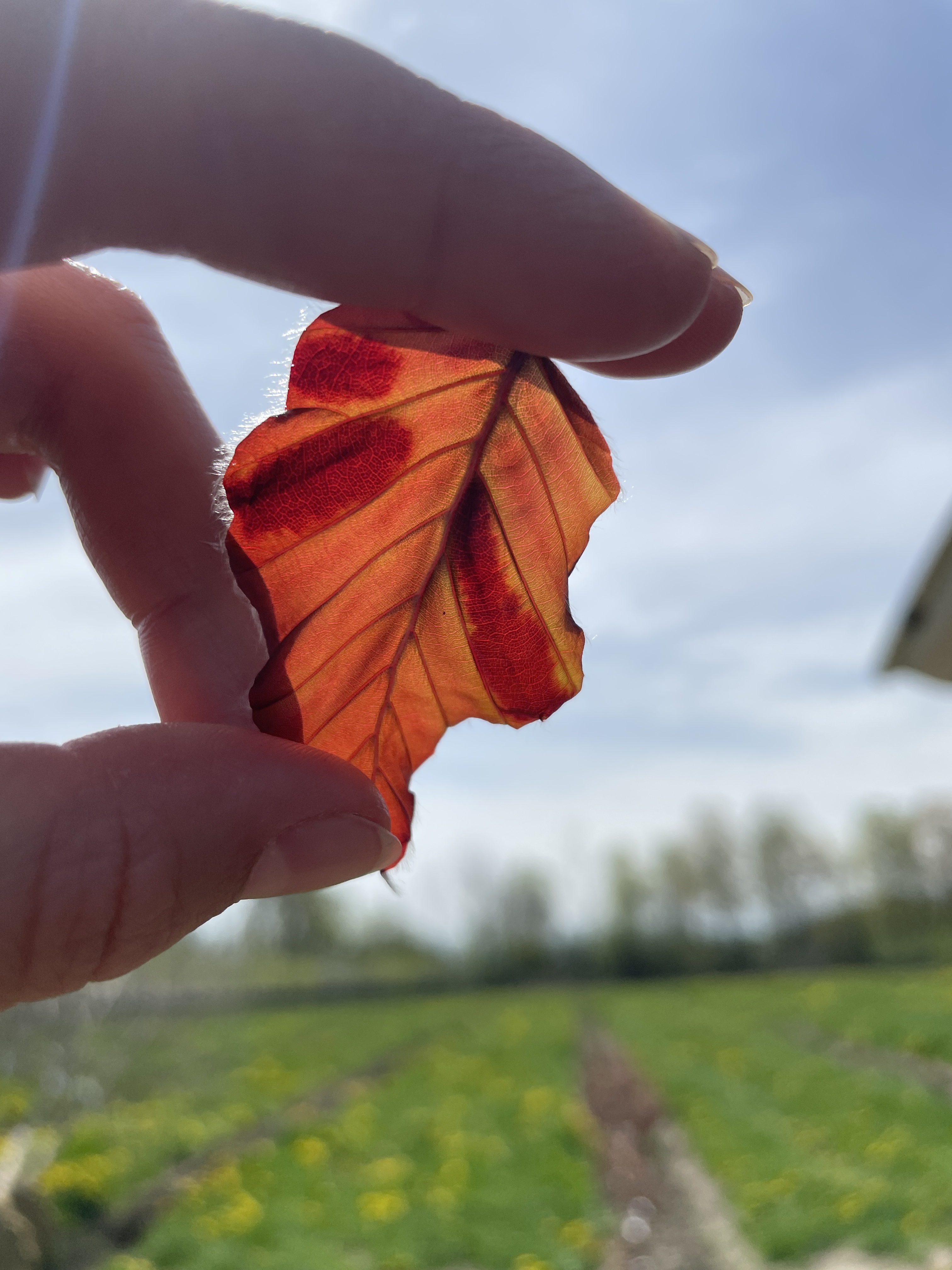
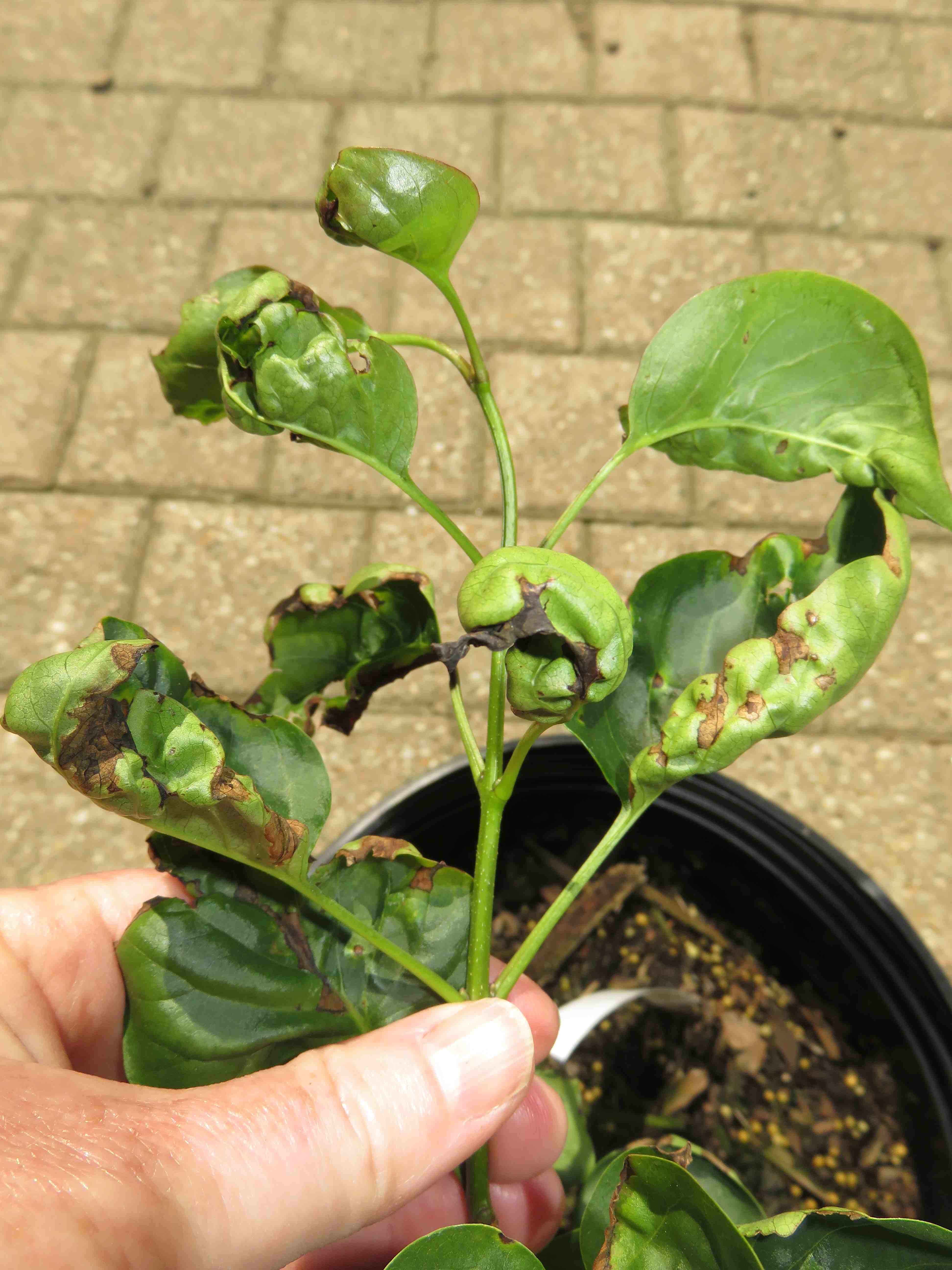
We’ve been keeping an eye on beech trees this year and unfortunately are finding beech leaf disease in more locations. It’s important for growers to know what to look out for when it comes to this new pest. The most obvious symptom of beech leaf disease (BLD) is dark coloured banding on leaves restricted by the leaf veins which are visible as soon as the trees begin to leaf out. Although not confirmed, it is thought that BLD is caused by a species of foliar nematode that damages the leaves while in the bud. There is still a lot we don’t know about BLD, including how it spreads between trees and how we can manage this new issue. If beech leaf disease is spotted in nursery stock, it is currently recommended to keep the affected trees quarantined or removed and dispose of them to prevent further spread since BLD does result in tree mortality. More information on beech leaf disease will be coming in a subsequent blog post. In the meantime, you can check out the invasive species centre info page. Beech Leaf Disease – Invasive Species Centre.
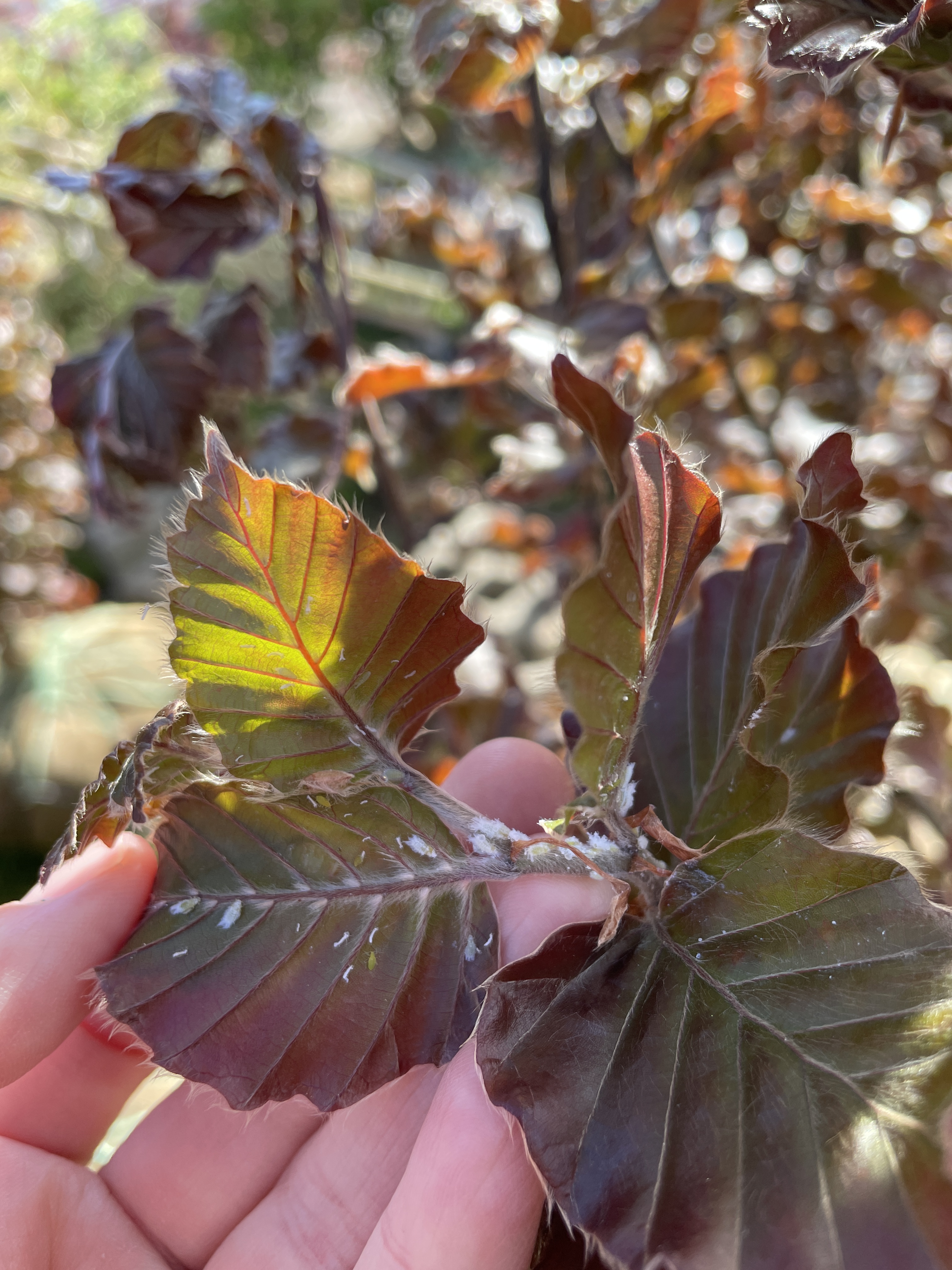
While looking for BLD, we’ve already encountered some of the first woolly beech aphids of the season. These aphids make white, cottony threads to cover themselves on the underside of beech foliage where they feed. While woolly aphids cause aesthetic damage, they rarely pose a significant threat to plant health unless in very high populations. If you’ve had problems with woolly beech aphid in the past, dedicated sprays specific to aphids like beleaf can be used as soon as aphids appear, to reduce populations. It is also important to note that excessive fertilization or pruning can cause undesirable succulent growth levels that attract aphids to feed.
Boxwood pests
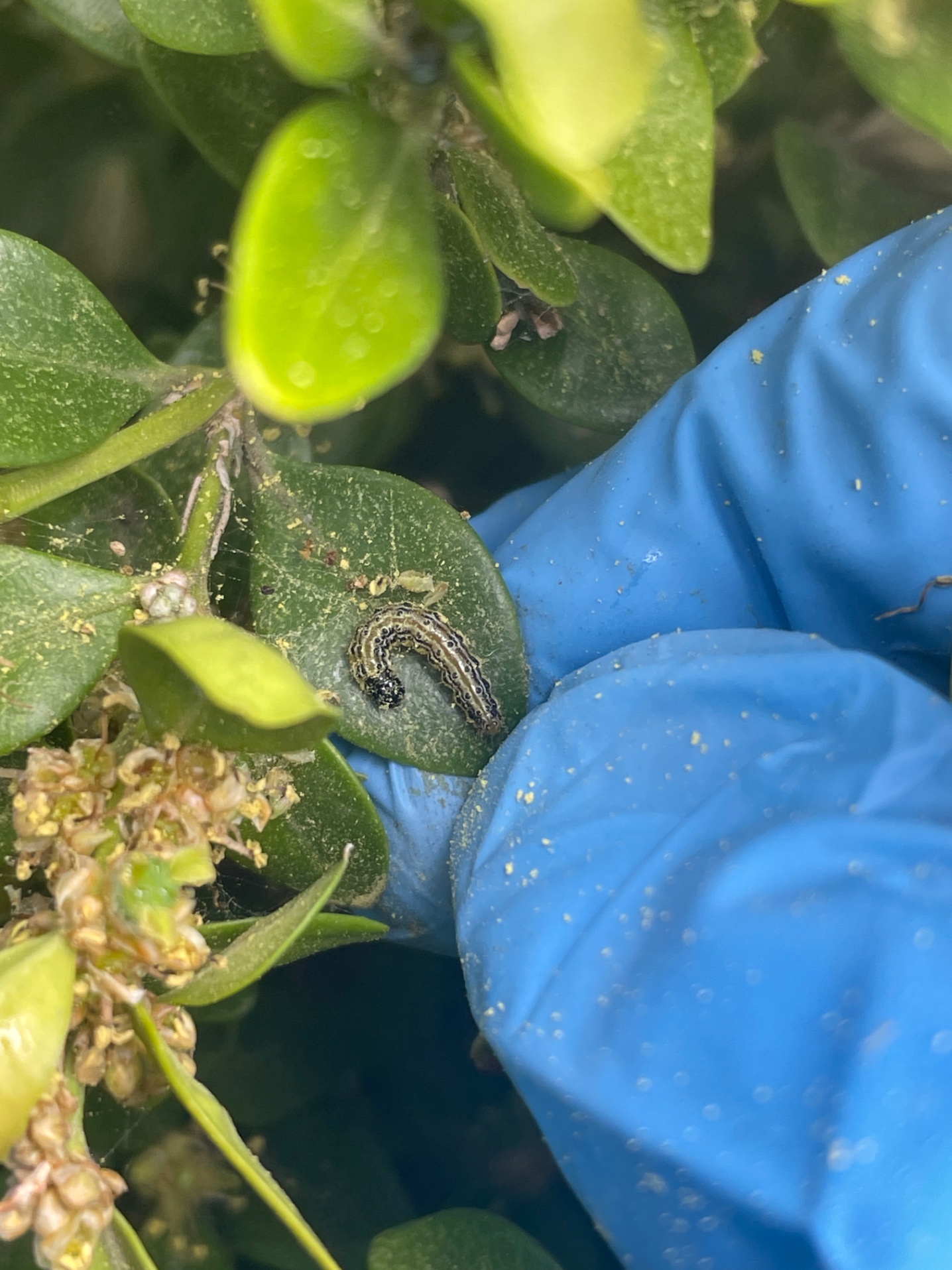
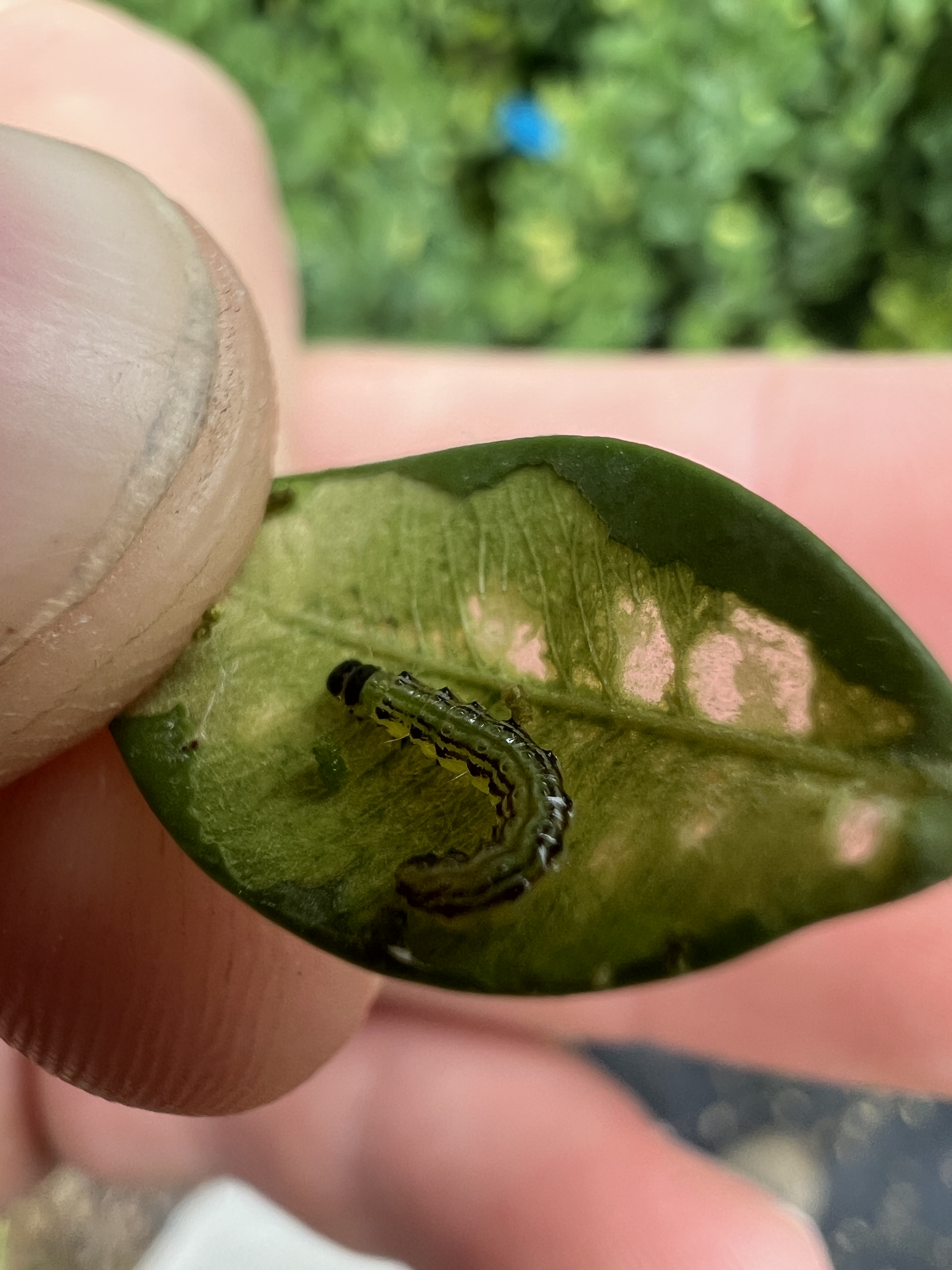
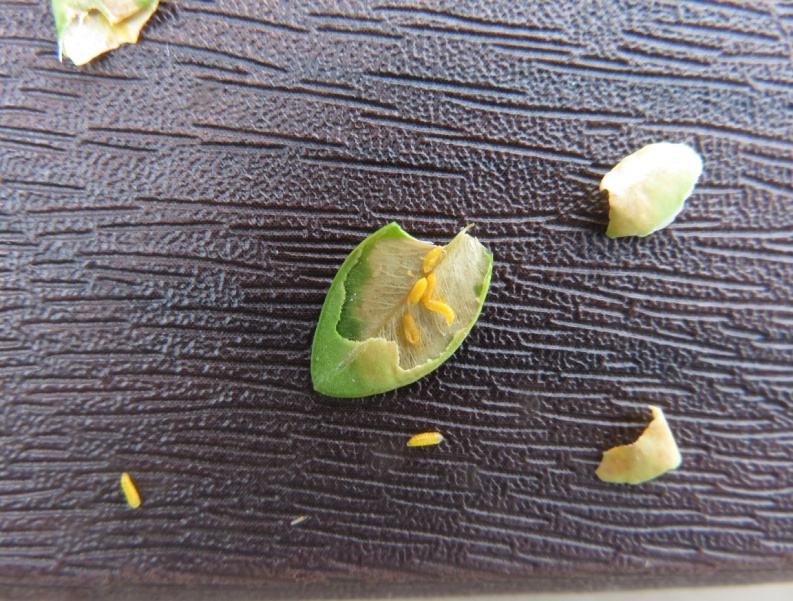
Boxtree moth larvae have emerged from their hibernaria and are starting to feed more regularly on Buxus foliage. Over the past week, we’ve seen development range from young instars all the way to late instar larvae that are ready to pupate any day. This is the time to scout your boxwoods to search for new feeding damage, frass, and larvae. Insecticide applications can be made when larvae are observed. For the best results, apply products when the larvae are less than an inch in length and actively feeding. Products like Dipel or other BT products are good to use for this first flush of spring feeding but need to be reapplied after rain events to maintain efficacy.
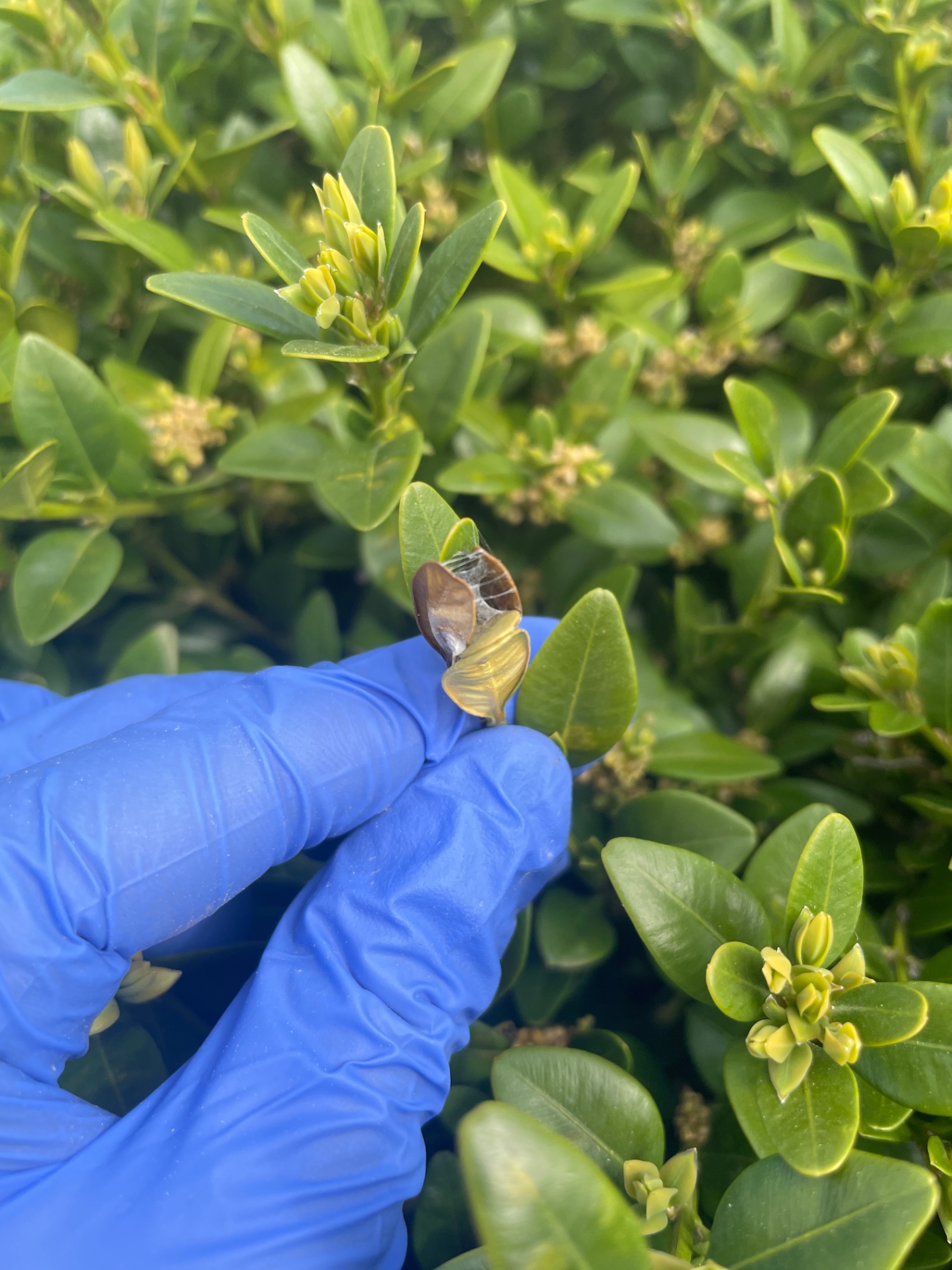
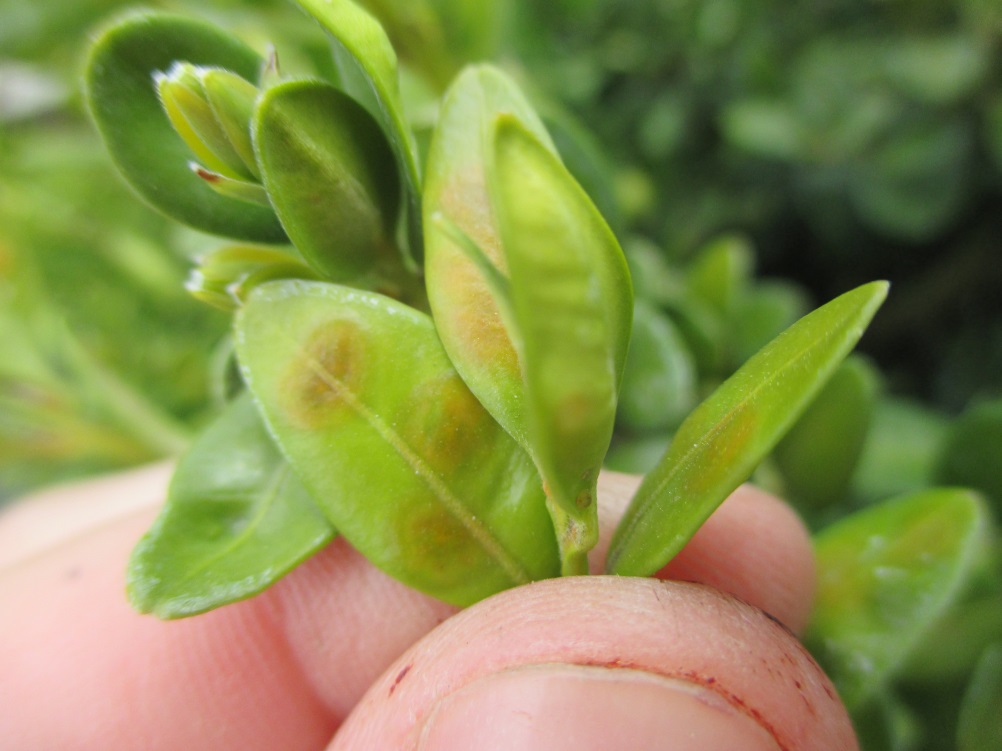
Boxwood leaf miner continue to persist in boxwood crops this year and are visible from the large reddish-yellow blisters they create on leaves. It’s inside these blisters where the orange coloured larvae feed and develop, protected between the layers of leaf. Adult emergence will soon be upon us, around 240 GDD, and occurs over a 10–14 day period during the late spring. Adults appear as gnat-like flies that will lay eggs into newly emerged foliage. It is important to target this pest when adult midges begin to appear to reduce successful egg hatch and larvae development that leads to new crop injury. If you need a refresher on this pest, Joe Boggs has a great article posted here: Boxwood Leafminer Adults | BYGL
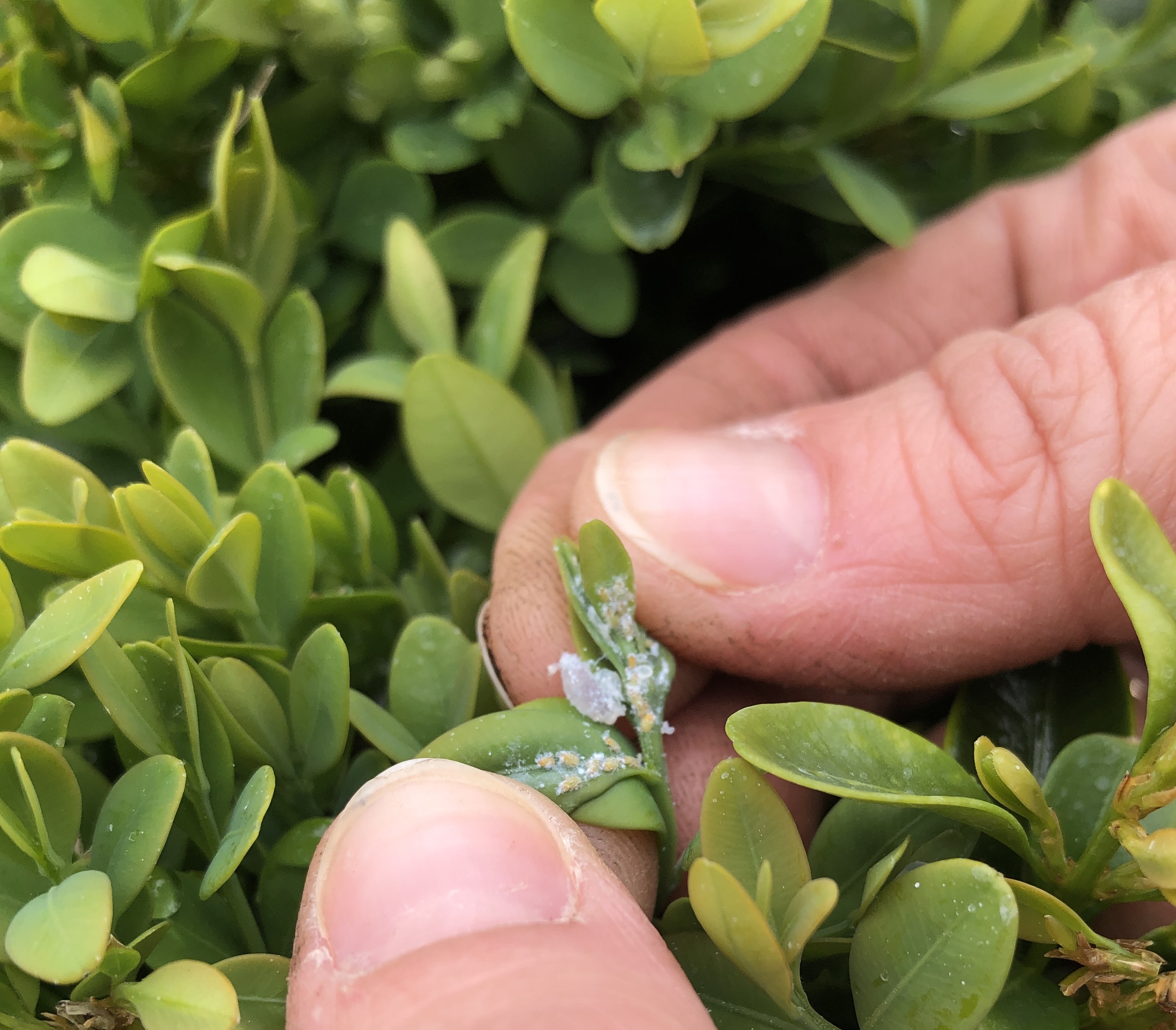
Boxwood psyllids are another damaging pest of boxwood to keep an eye out for this year. At this point in time, nymphs are hatching and feeding on the developing leaves of boxwood plants. These young nymphs are light green and develop a white, woolly protective mass as they get older. A sign that boxwood psyllids may be present in your boxwood crop is cupped leaves which protect the nymphs. The optimal time for managing this pest is when new boxwood leaves are emerging and this pest is in its nymphal life stage (now!), as this is the life stage where the boxwood psyllids are most vulnerable to chemical tools.
Spongy moth hatching
Cercis canadensis has started to bloom and that is our indicator that spongy moth (Lymantria dispar) larvae are hatching! This pest affects a wide range of species including Linden (Tilia), Elm (Ulmus), Maple (Acer), Birch (Betula), Beech (Fagus), Ash (Fraxinus), Apple (Malus), Spruce (Picea), Willow (Salix), Oak (Quercus), Prunus, and Poplar (Populus). The first instar larvae are small, darkly coloured, hairy caterpillars, with five pairs of blue spots followed by six pairs of red spots along their back that become more visible as they develop. Biological products like Bacillus thuringiensis can be used on younger nursery stock that are more sensitive to foliar feeding pests. Target applications as soon as larval feeding is observed. Spring applications of BT products against spongy moth can also help reduce populations of other spring feeding caterpillars like fall cankerworm and leaf rollers.
And speaking of spring caterpillars, webs of eastern tent caterpillars can be found on a variety of tree species, including cherries, crabapples, and hawthorn. Remove tents where possible to prevent the population from increasing. Larvae can also cause some defoliation around this time as populations reach their peak. Where larval feeding is causing damage, biological insecticides like BT can be used.
A reminder about Oaks
We are now in the NO PRUNING window for oak trees to help minimize the risk of oak wilt infections. And that window extends from April to November. Oak wilt was detected for the first time in Canada in 2023 in three locations. So far, no additional cases have been reported. Oak wilt can be transmitted by small sap beetles that are attracted to fresh pruning cuts and tree wounds and can transmit the fungus to healthy trees via wounds and cuts. With the storms we saw in the late winter/early spring that damaged many trees in the Barrie and surrounding areas, the risk of oak wilt infections has increased and it’s important to familiarize yourself with the signs and symptoms of oak wilt. As oak wilt is a regulated pest in Canada, The Canadian Food Inspection Agency continues to be the lead and suspected oak wilt cases should be reported to the CFIA. For more information, visit the CFIA’s webpage: Oak wilt
Other observations from the field
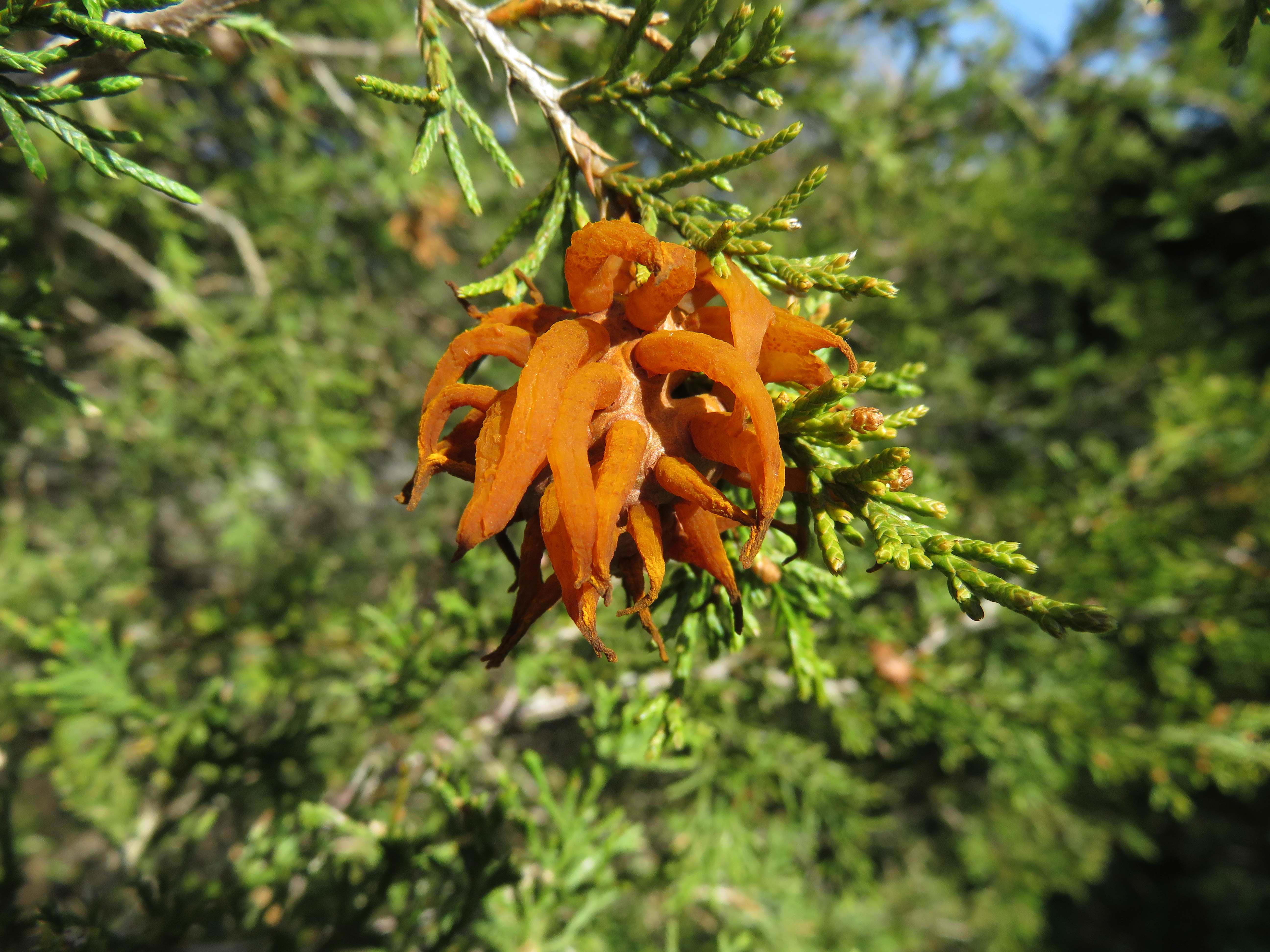
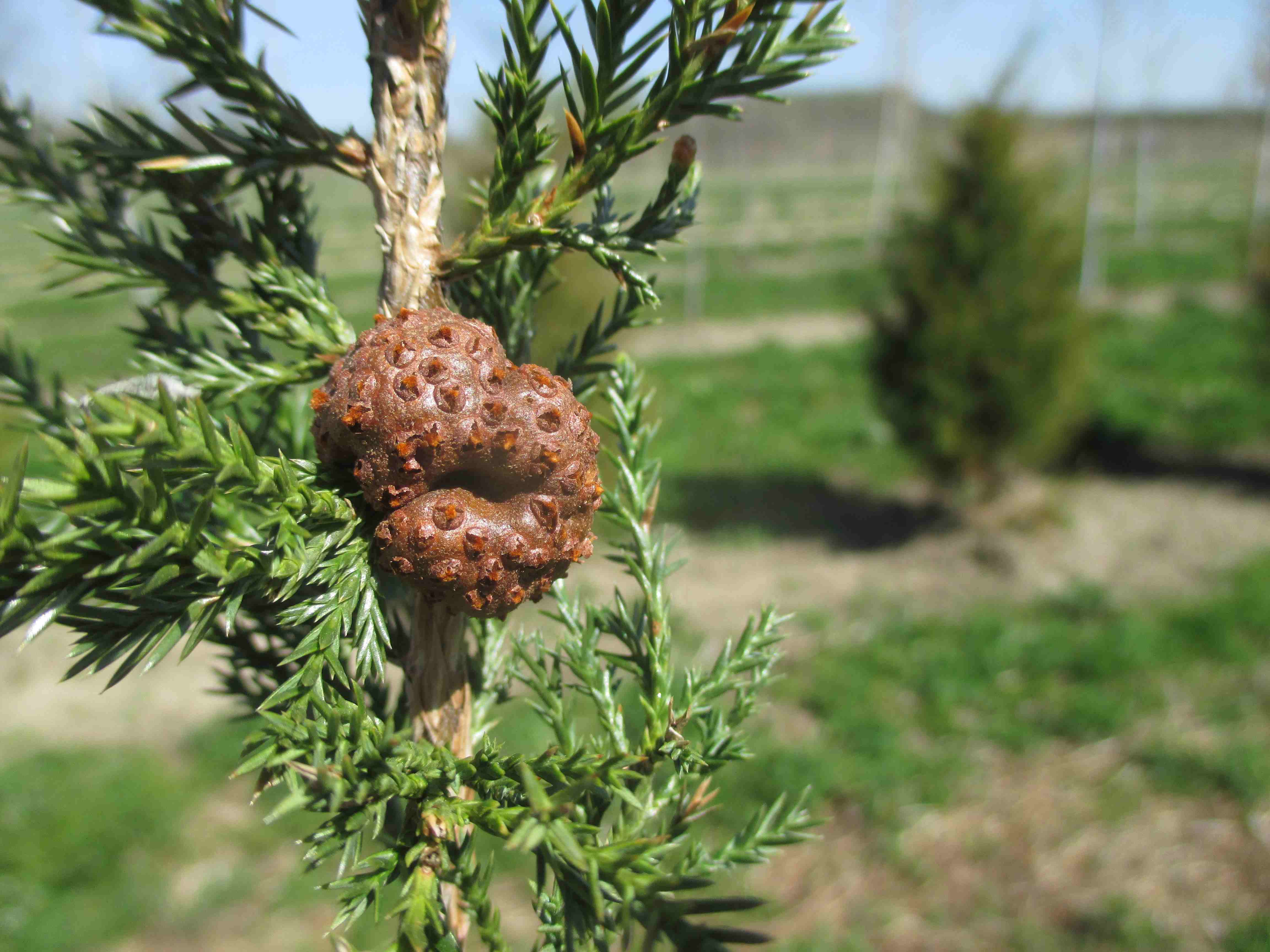
Within the last week, we’ve seen our first signs of aphids on Roses, Viburnum, hydrangea and more. Powdery mildew has also been observed on potted roses in polyhouses. With recent cold evenings and a rainy forecast, we’re starting to see more bacterial spots and blight on hosts like syringa caused by the bacteria Pseudomonas syringae. Copper sprays can be used to protect emerging foliage from this common bacteria. It’s also that time of year where you may notice alien like gummy-looking fungal growths on plants in the Cupressacea family which are attributed to our rust pathogens like cedar-apple, cedar-quince and cedar-hawthorn rust. These wild-looking structures expand when wet and release spores that cause rust infections on their secondary hosts in the Rosaceae family. While the large fungal structures look terrifying to some, they rarely cause plant health impacts, but removal will help reduce inoculum that infect their alternate hosts like Malus, Crataegus and Amelanchier with leaf spots. Where rust has been an issue in the past on Rosaceae, protective fungicides during the spring is recommended.
For a more exhaustive list of pests to be on the lookout for this time of year, see table 2-6 and 2-7 in Publication 841: Click here for a PDF copy of the publication.
This post was authored by Cassie Russell and Raylene Colautti. With image credits to Jen Llewelyn and Asher Herx.


