It’s August already!? Anyone else wondering where July went?
It’s continued to be a hot and humid summer, that’s for sure. Some plants have definitely been feeling the stress of the heat, but one things for sure: the insects are loving it! So here we are to share some insect pest updates going into the long weekend.
- Spongy moth flight
- Magnolia scale
- Fall webworms and other caterpillars
- Box tree moth
- Red headed flea beetles
- Still NO Spotted Lanternfly finds this year: Lets stay vigilant!
- Observation of the week! The Birds are catching on…
Spongy moth flight
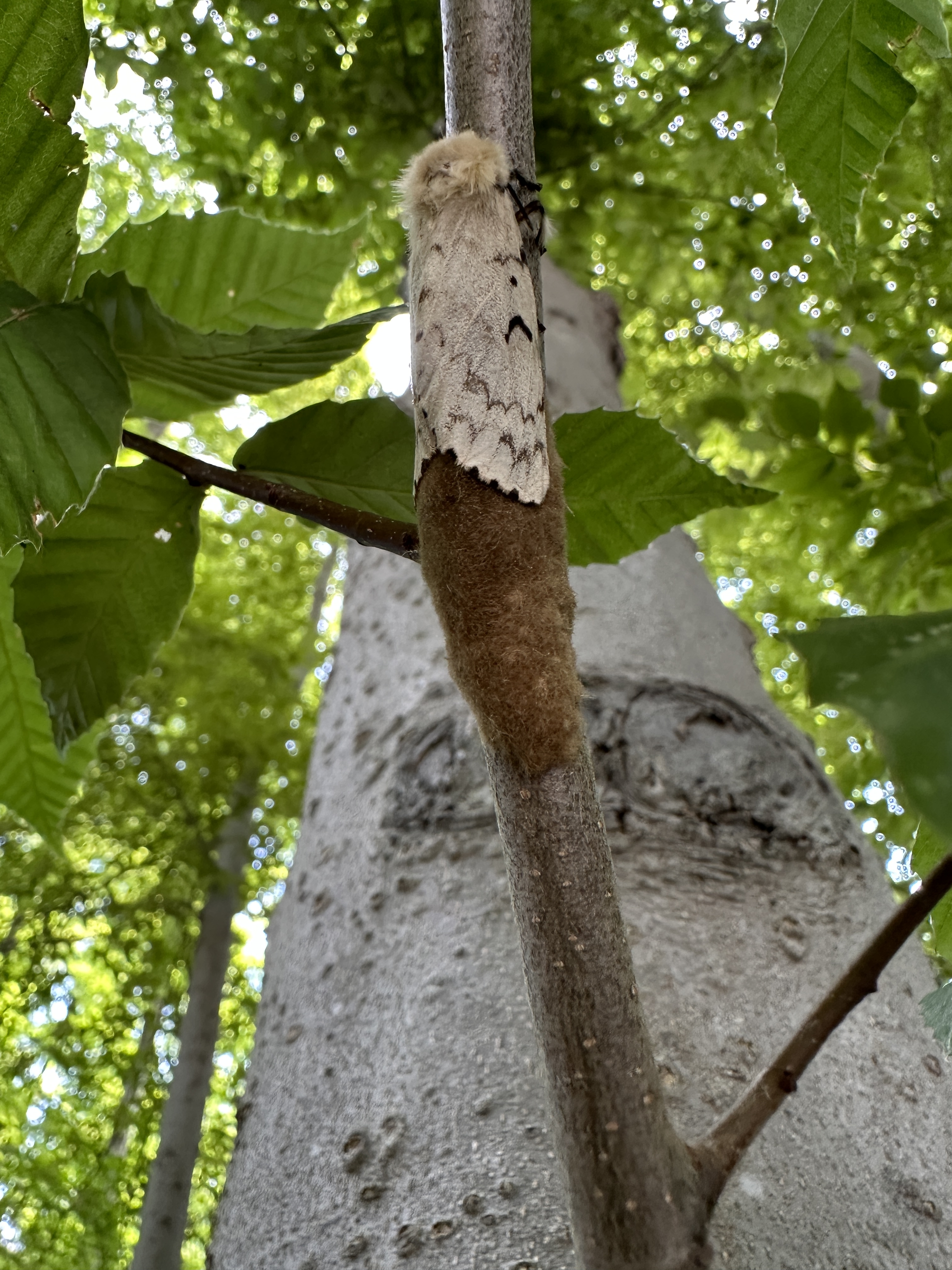
We are well into the flight period for spongy moth (aka gypsy moth) and flightless females are mating and will begin laying eggs. We are hearing that those with pheromone traps are catching higher numbers of male moths than the previous two years. This indicates that populations are starting to build again after the crash we saw in 2022/23. Historically, spongy moth outbreaks have been observed every 7-10 years, but some anticipate that could change with climate change. Lots more information about spongy moth can be found on the ontario.ca webpage. Click here.
Magnolia scale
Lots of reports and questions coming in around magnolia sale this time of year as the females become quite noticeable and start excreting large amounts of honeydew onto lower foliage and branches.
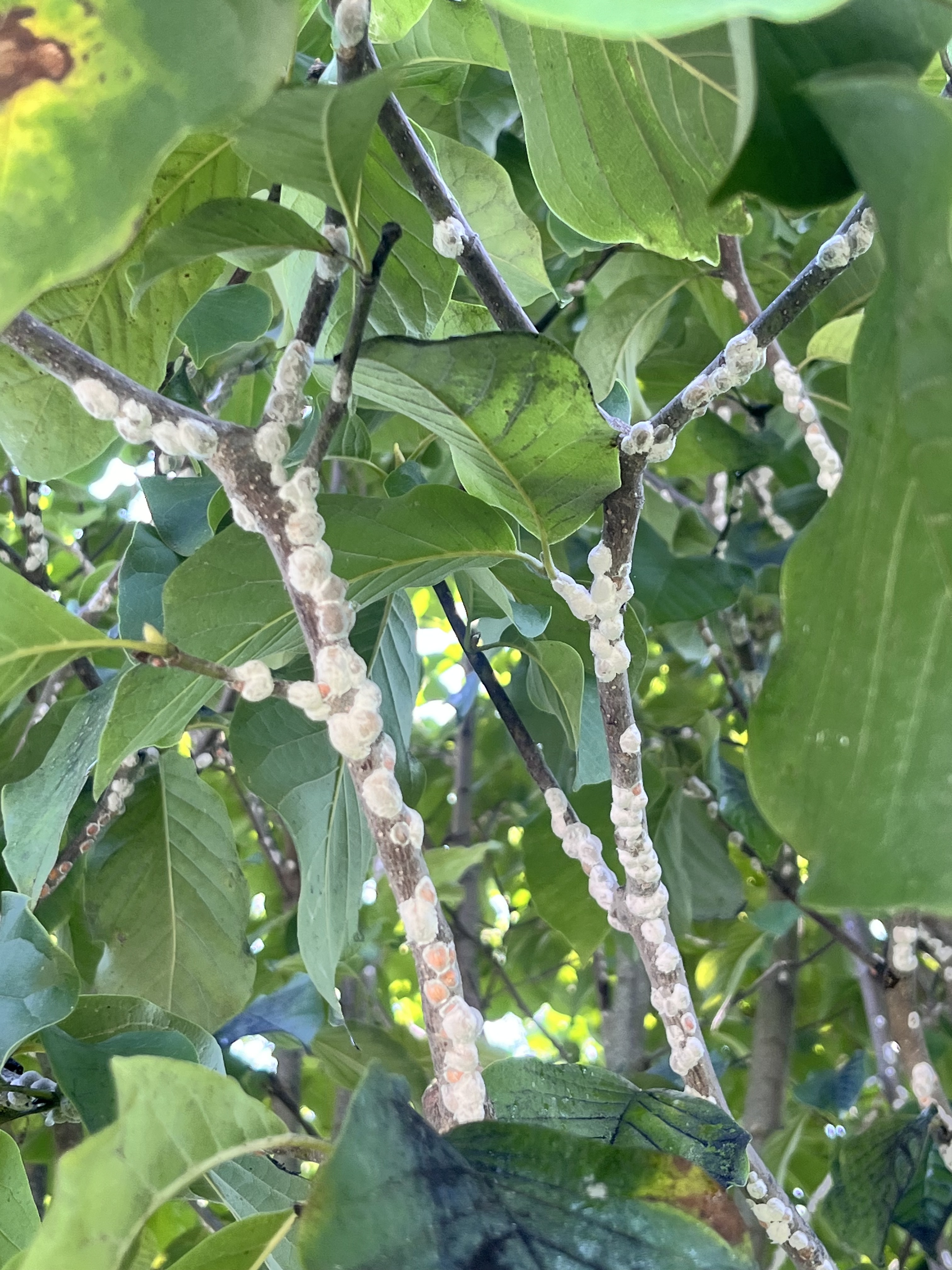
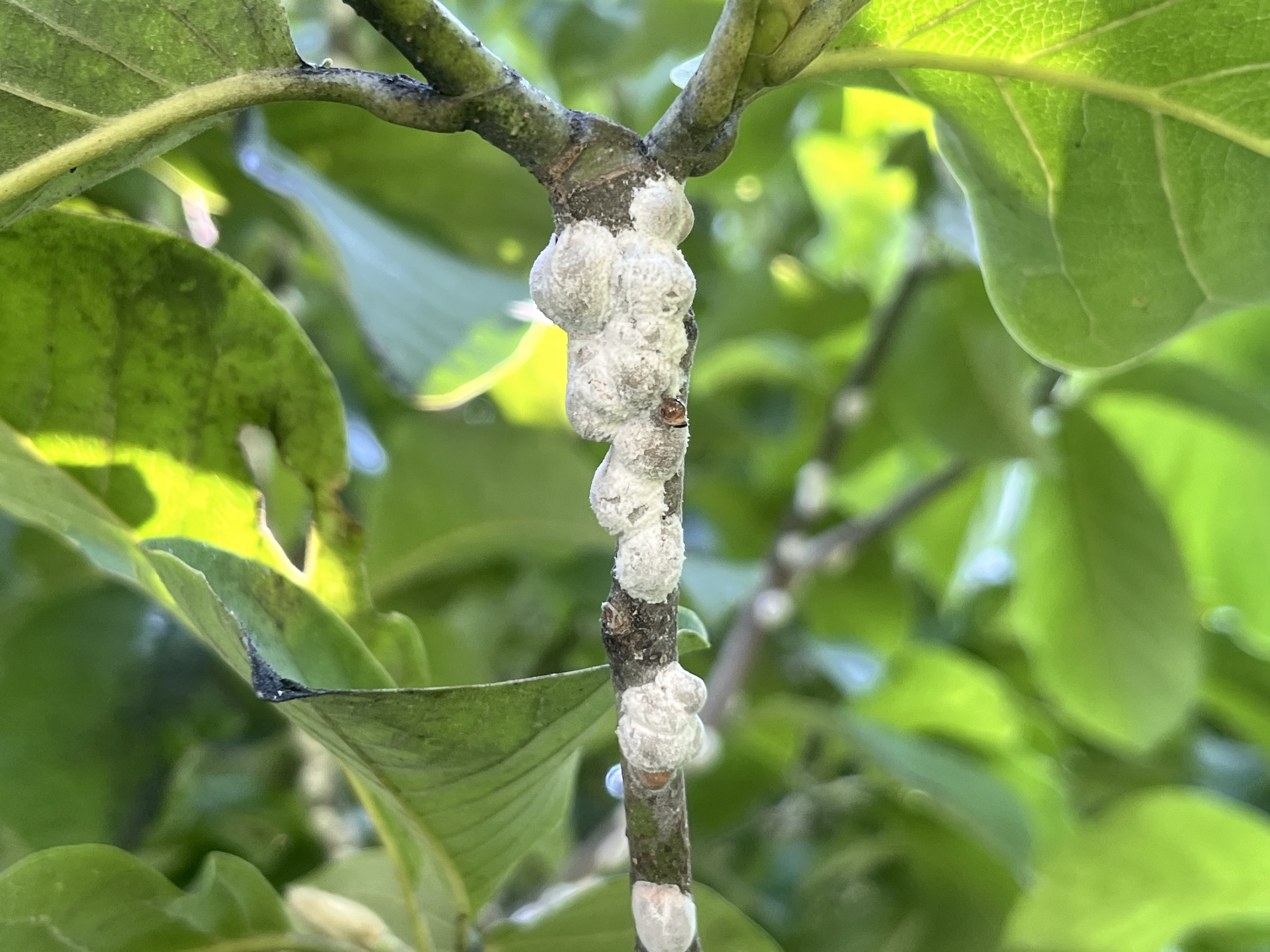
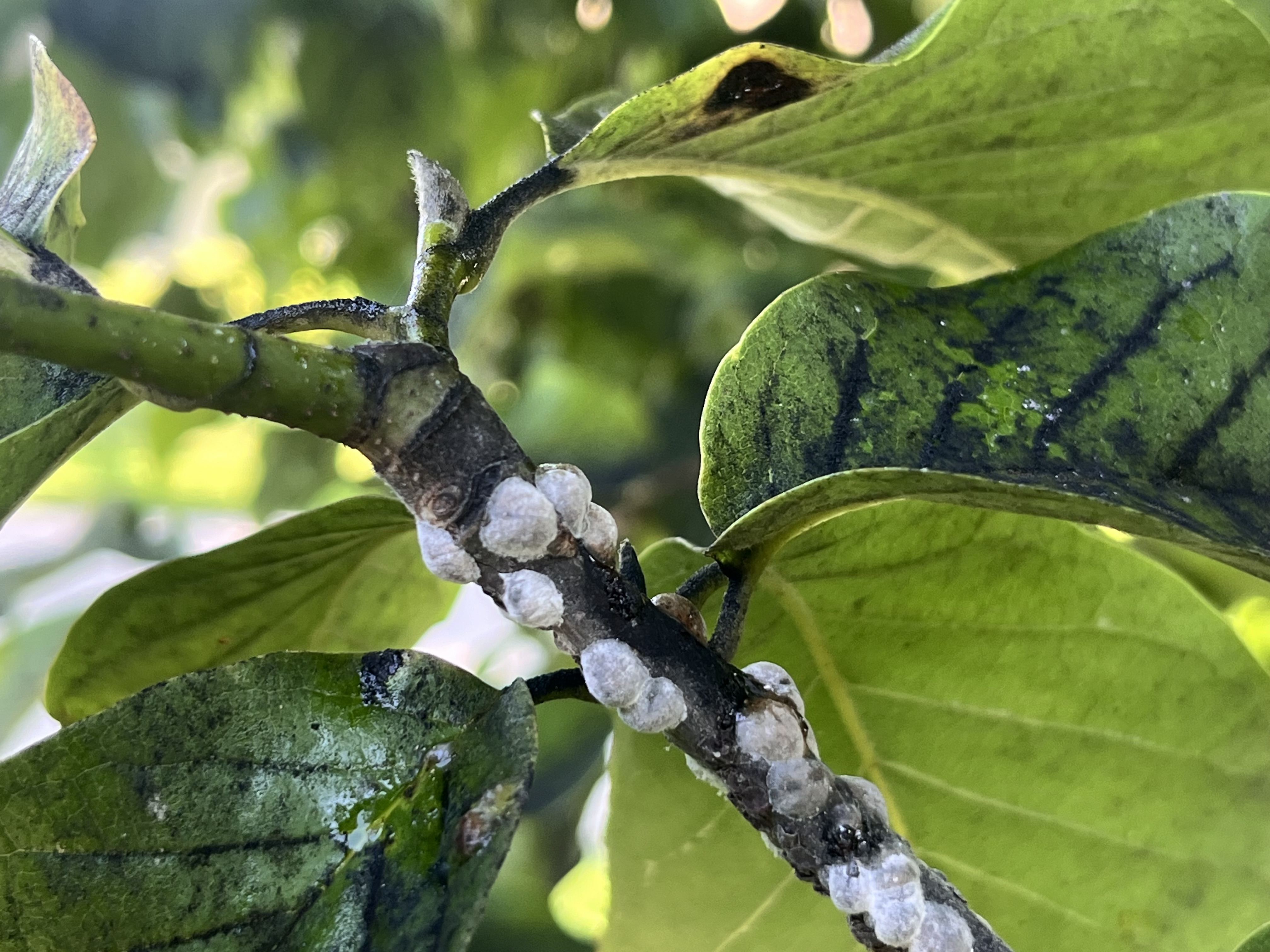
Magnolia scale (Neolecanium cornuparvum) adults turn from white to pink-orange in late July and early August. At this point of their development, you can pick the scale shell off and look underneath for the scales offspring. Under the protective shield of the females, eggs are laid which then hatch to dark coloured crawlers (see photo below). Insecticides are not very effective at this time (when the eggs and crawlers are still protected) and won’t be effective until crawlers emerge from under the protection of their mother scales in August. However, for those looking for a quick fix, you can scrub the fleshy scales off the twigs at this time to give immediate management of this pest and reduce honeydew production. In late September-mid-October, treat infested trees with horticultural oil for excellent management of this pest.
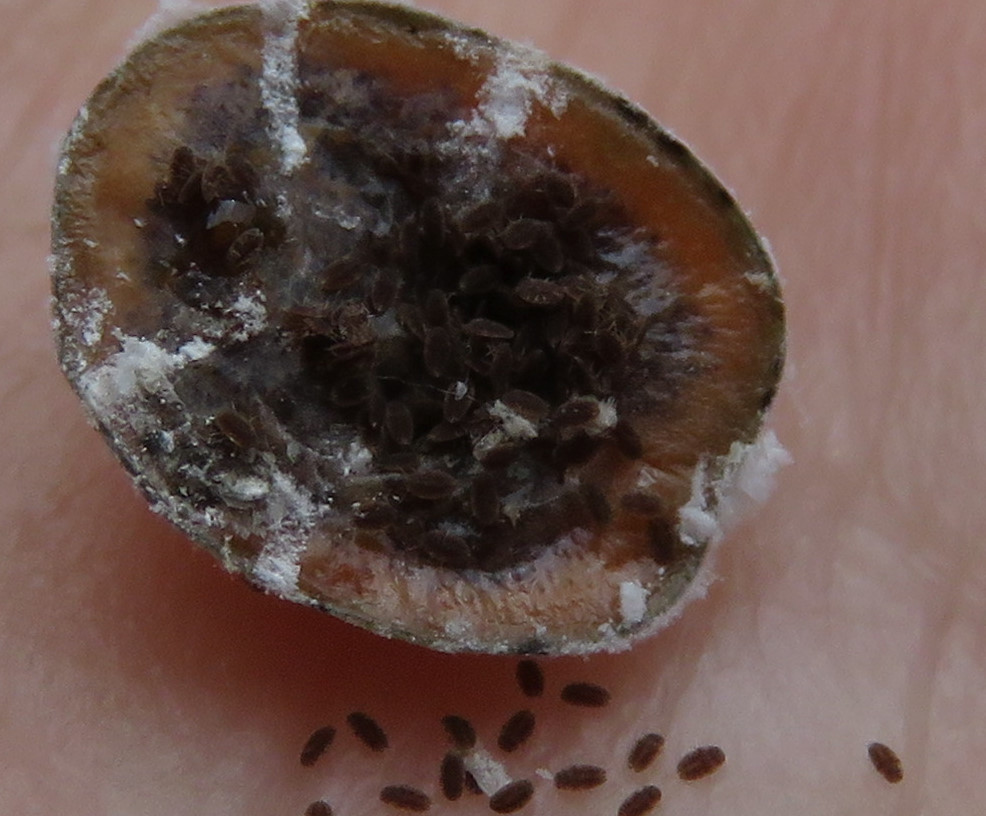
Joe Boggs from the Ohio State recently published some great additional reading on magonolia sale for those interested in learning more. His article can be found here: Magnolia and Tuliptree Scale. Please note this information is coming from the US and therefore, many chemical management tools mentioned are not available or legal to use here in Ontario.
Fall webworms and other caterpillars
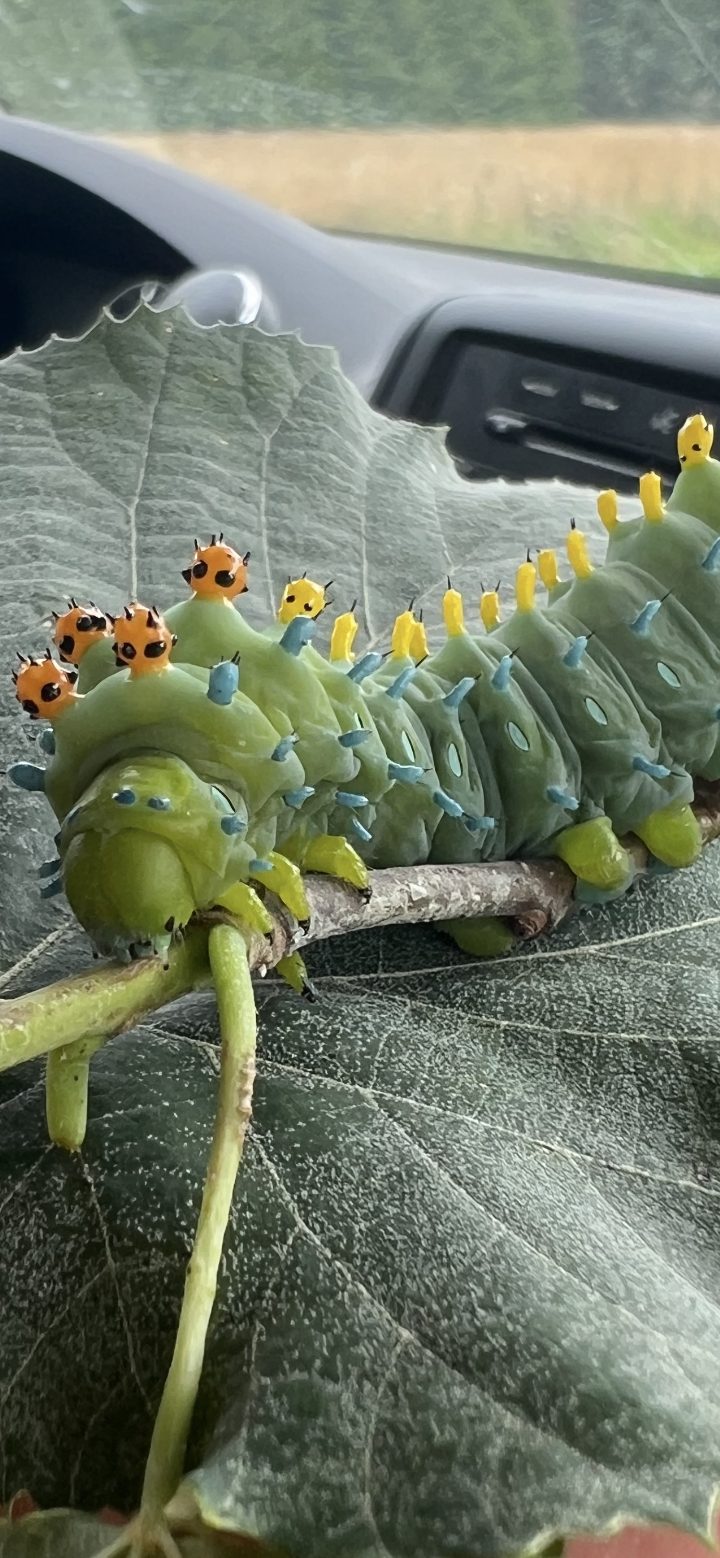
If last year was a banner year for aphids, this year seems to be a banner year for Lepidoptera (butterflies, moths and their larval caterpillar forms). This June, I saw some of the largest spongy moth caterpillars I’ve ever seen! Currently, fall webworm nests are quite noticeable lining roadways, we’re seeing loads of Tussock moths and even ran into a few stunning cecropia moth (Hyalophora cecropia) caterpillars this summer: a real treat for entomologists and insect enthusiasts!
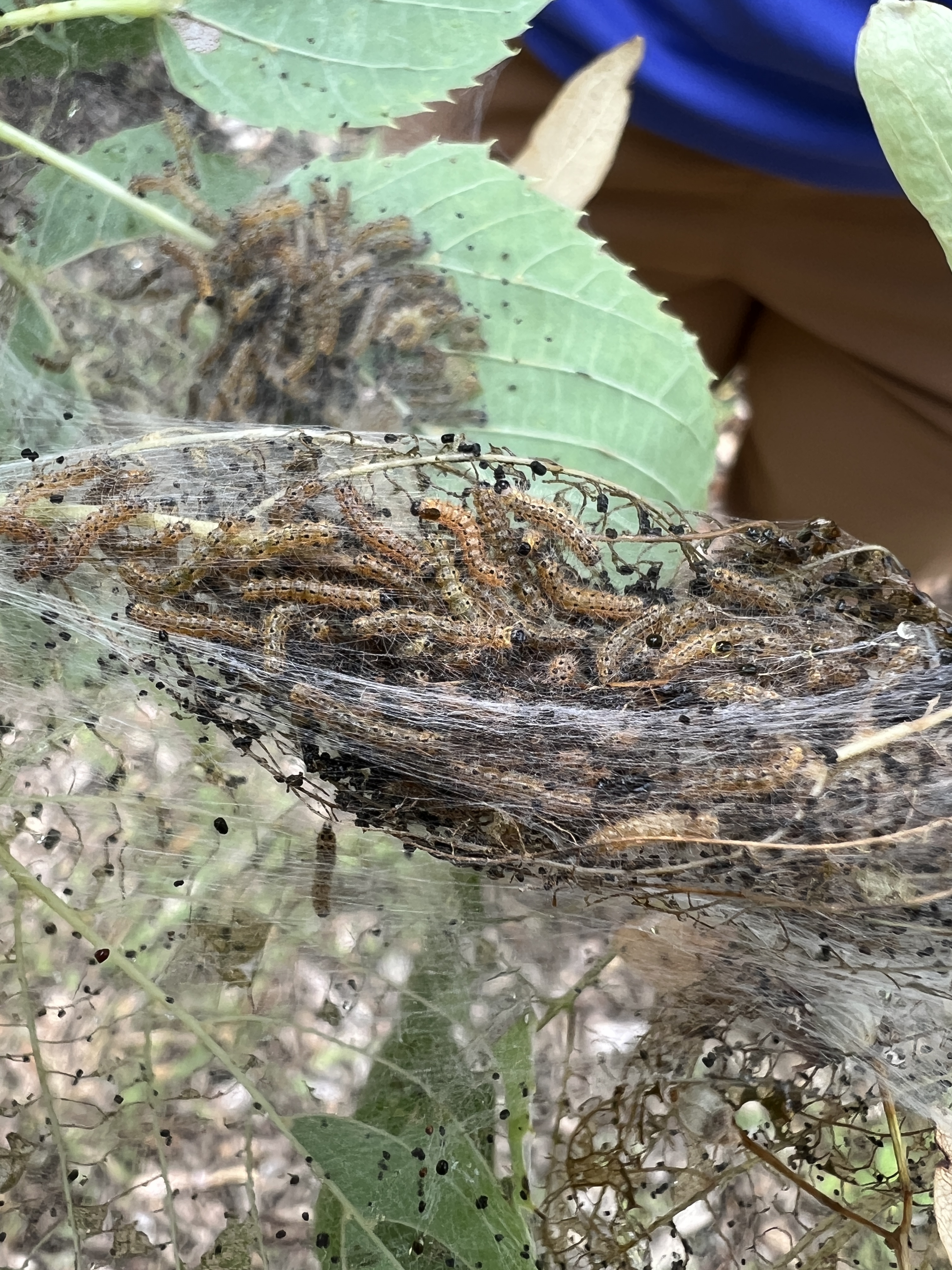
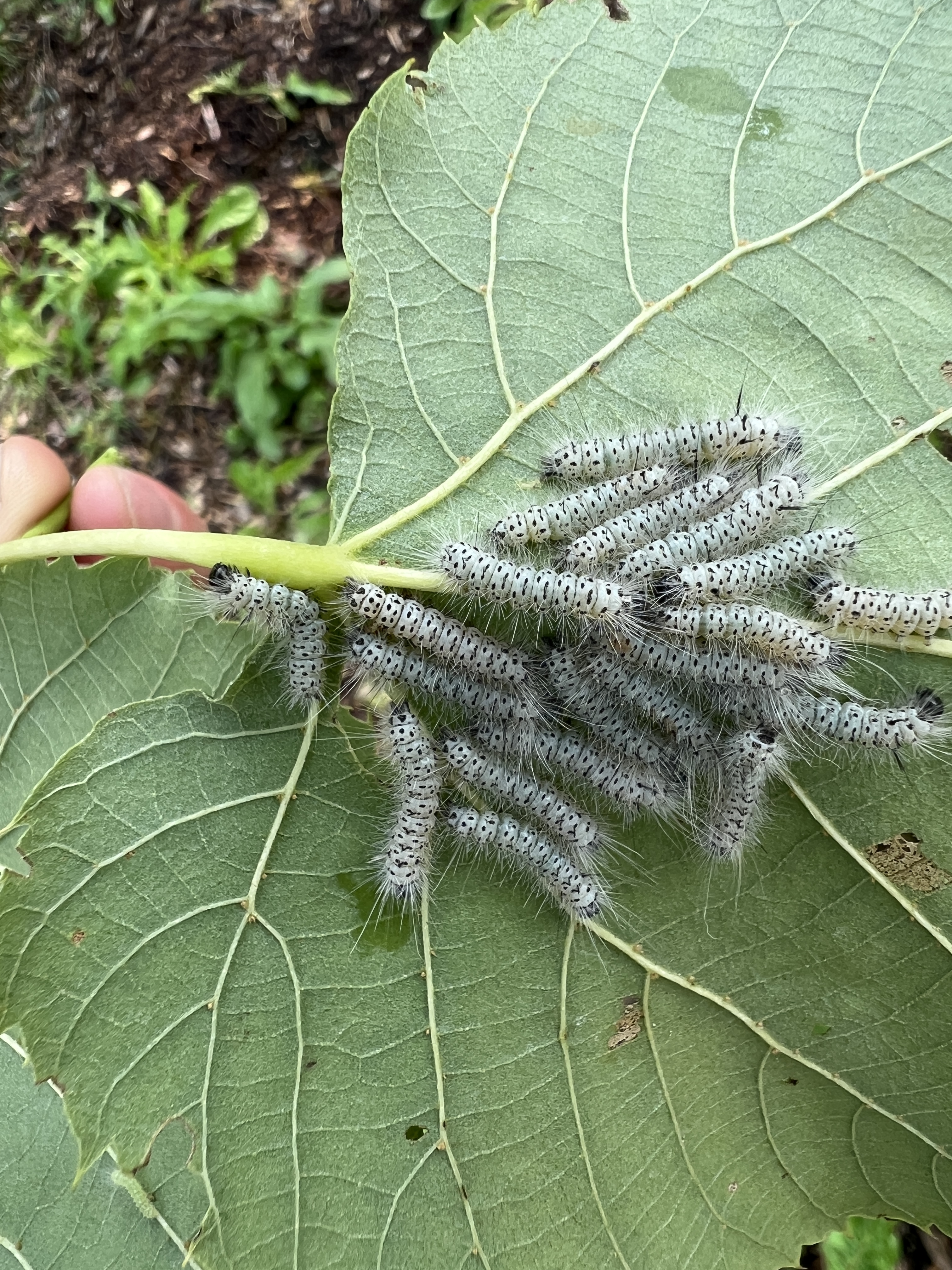
Fall webworms often frequent deciduous trees such as ash, birch, cherry, elm, malus, walnut, willow, and more. When managing fall webworms, hand removal and pruning out nests while the larvae are still small is a great tactic. Otherwise B.t. products can also be used and applied.
Box tree moth
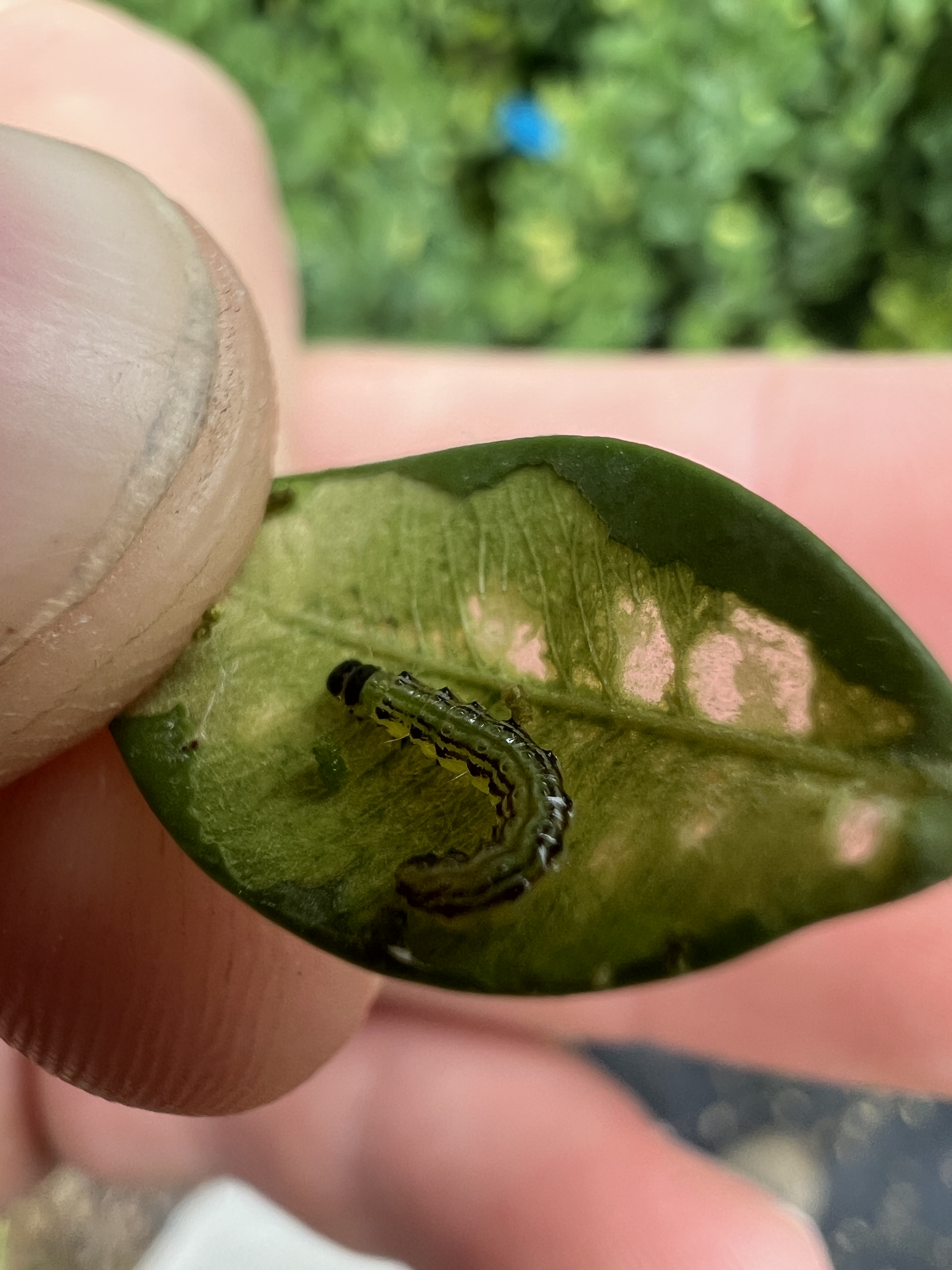
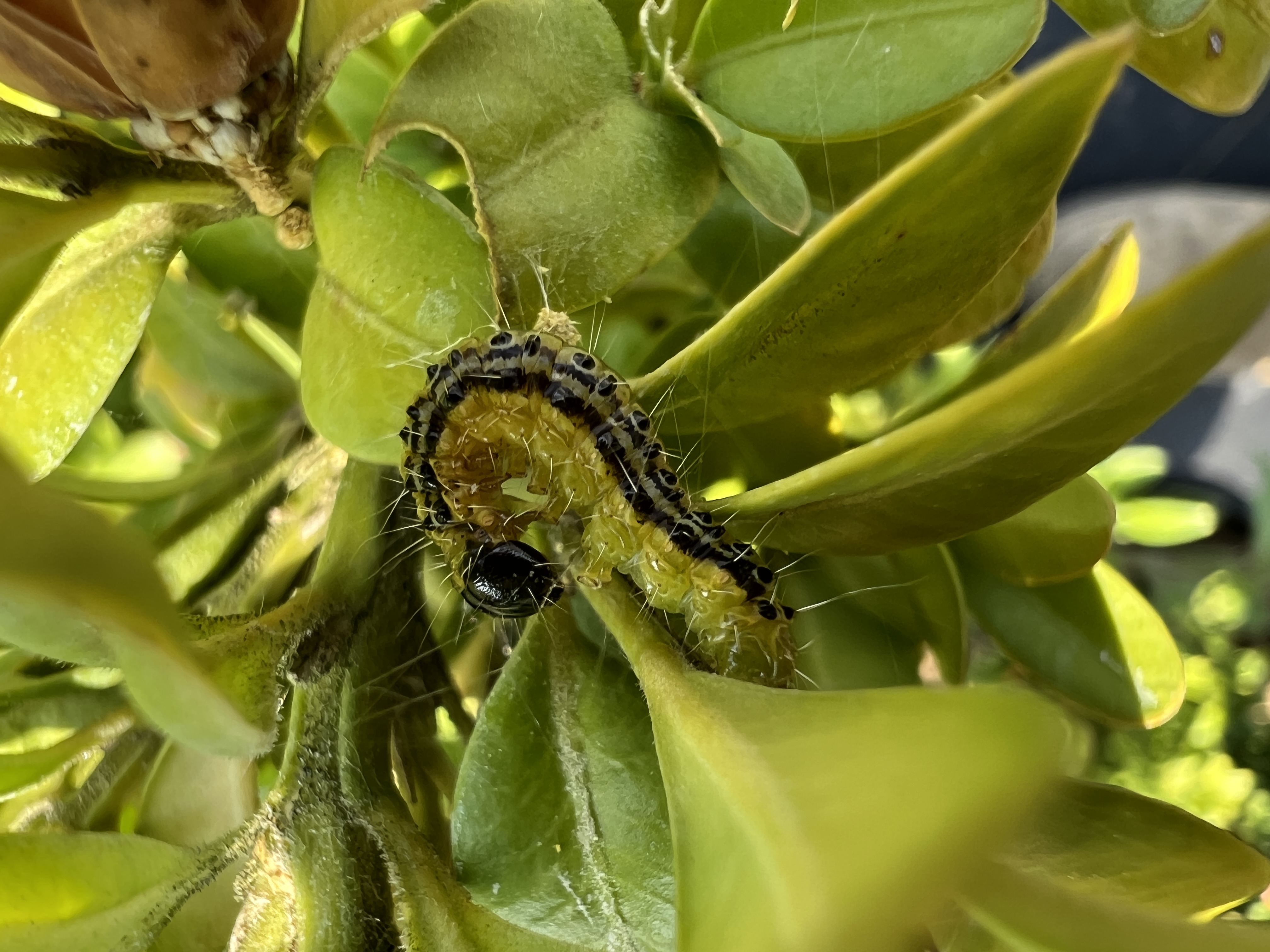
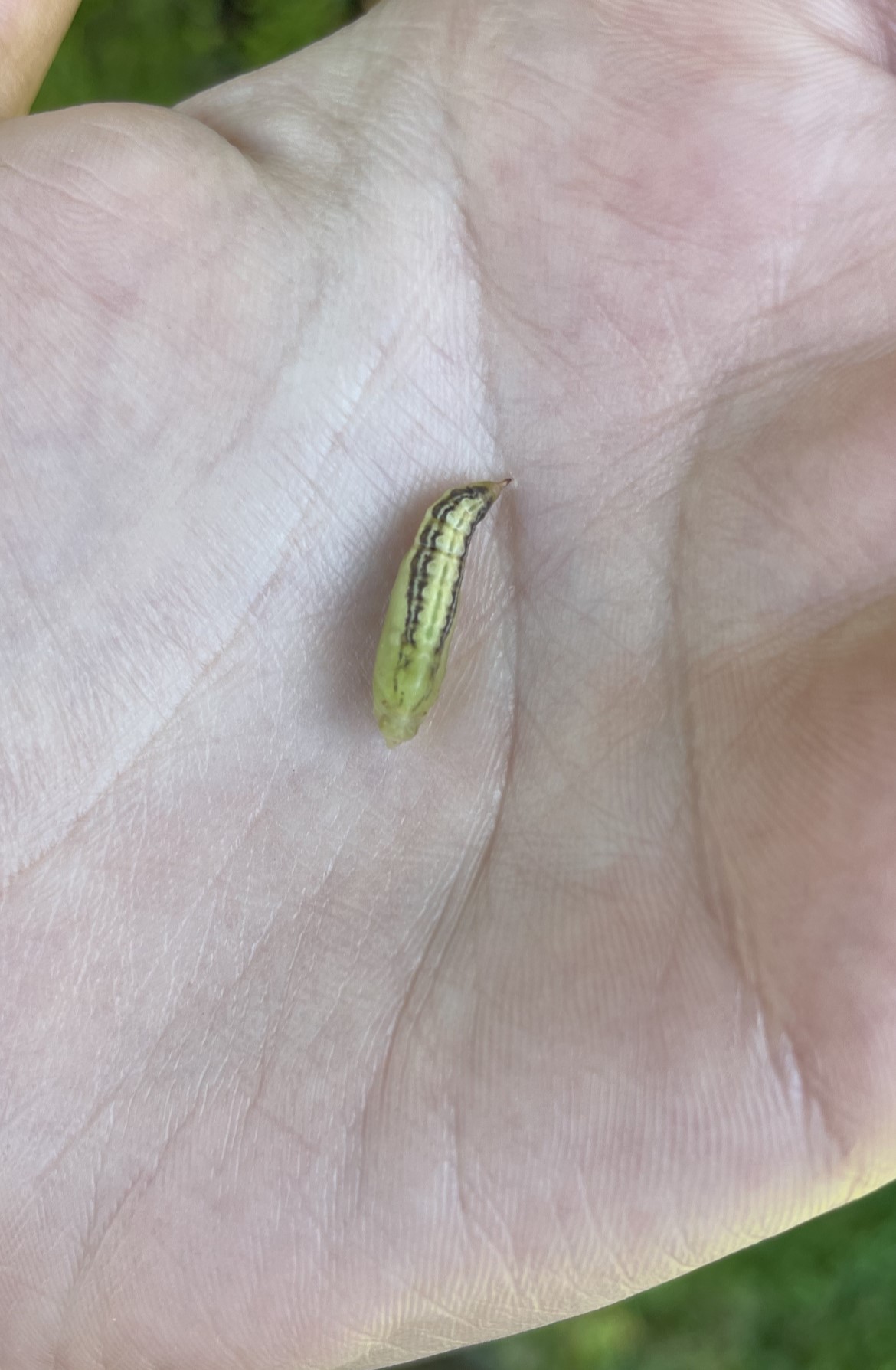
Box tree moth is continuing it’s lifecycle here in Ontario and we’re in the next wave of feeding. late July we start into the period of asynchronous life stages where nearly all life stages can be found at once and management can start to get tricky! Last week, offspring from the 1st full summer generation were already into pupation which signifies the second flight of adults in some warmer areas is right around the corner.
Continue to scout and inspect boxwood for signs of larvae including chewed leaves, webbing, and frass. Insecticide applications are best timed when larvae are present and still small (under an inch long) which again, can be tricky from July-September as you may encounter various sized larvae on the same plant.
Red headed flea beetles
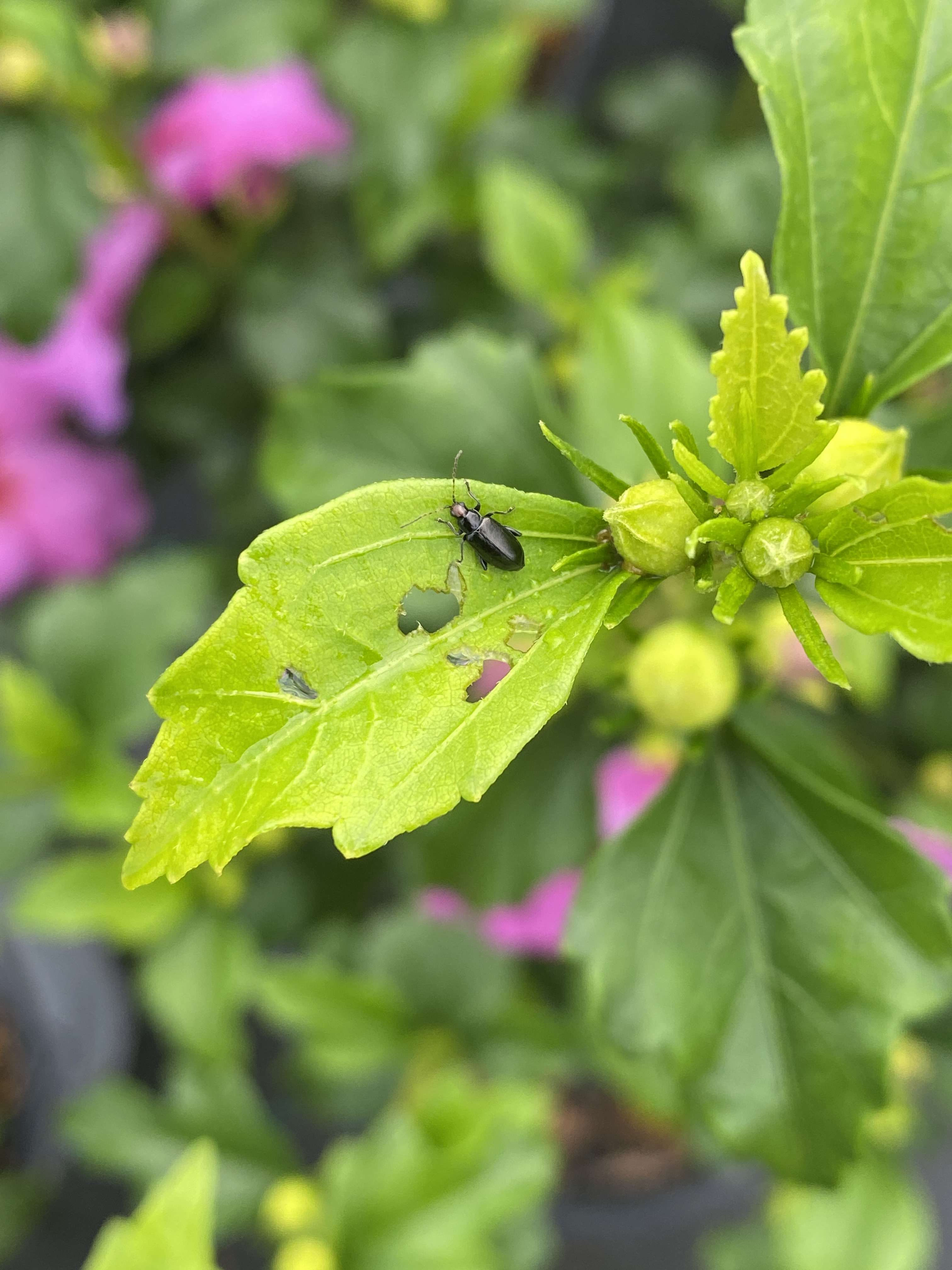
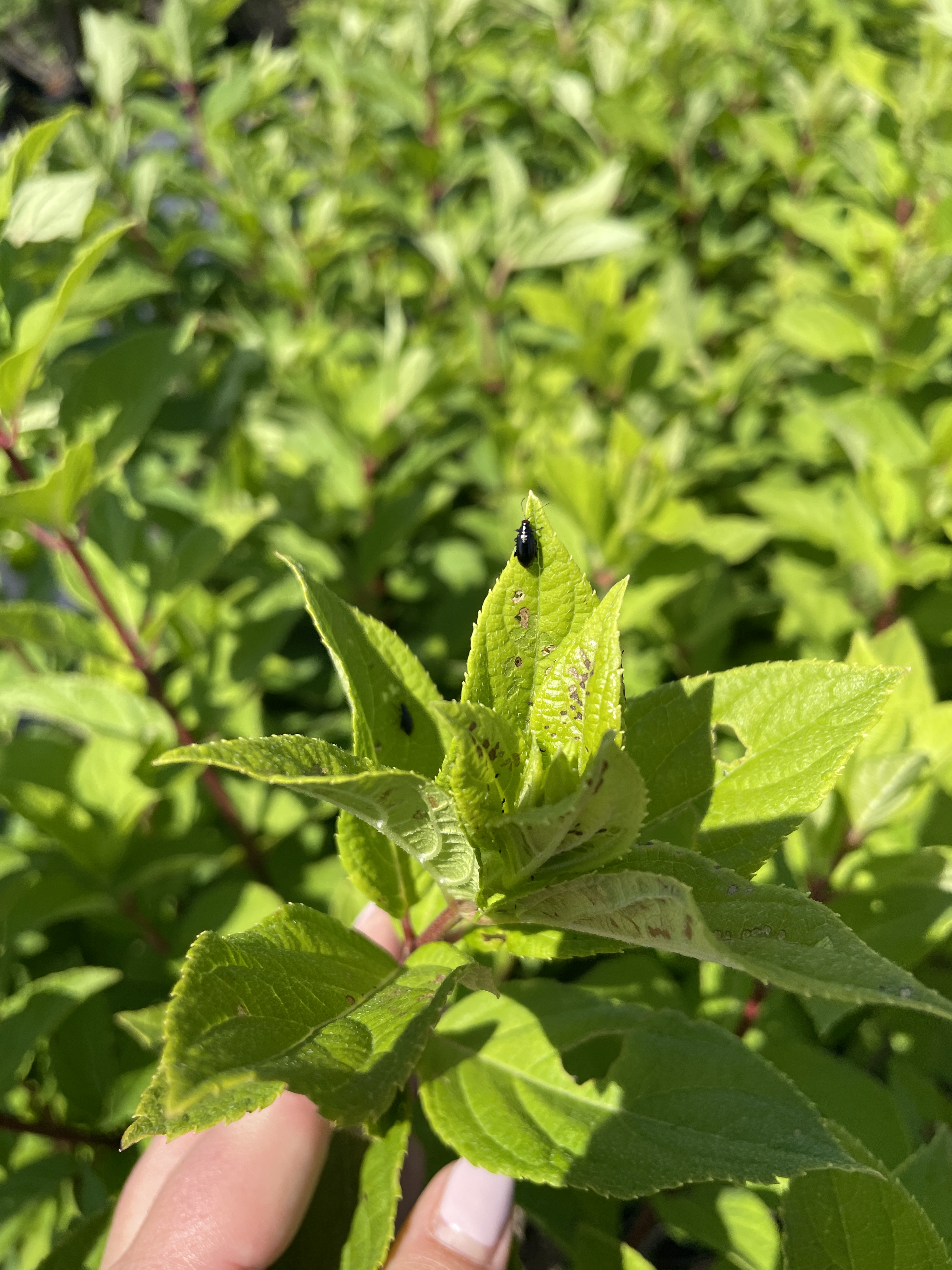
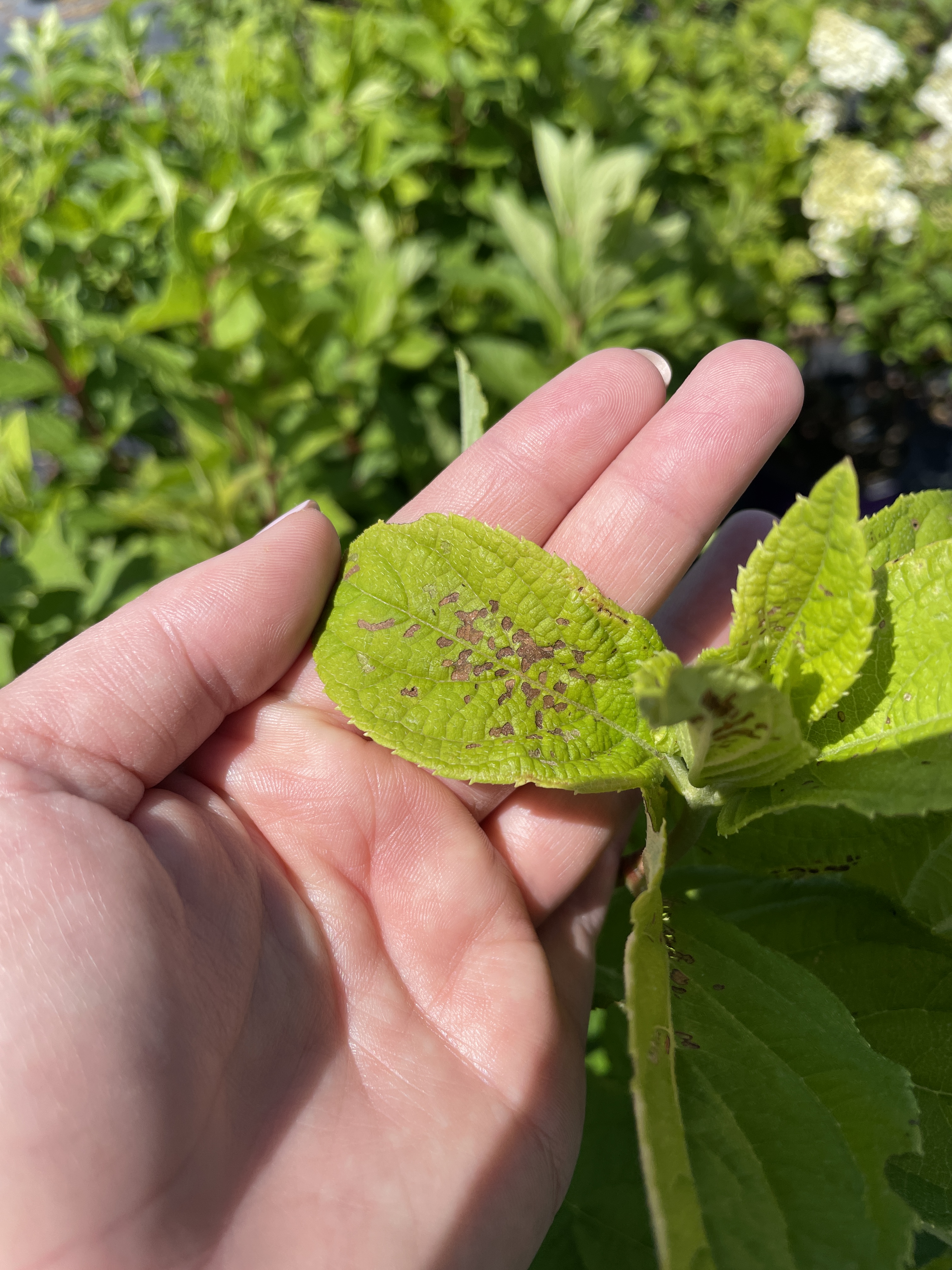
Haven’t had to deal with red headed flea beetles at your nursery yet? Consider yourself lucky! These small pesky beetles feed on the tender young foliage of a number of ornamental shrubs. Growers have identified Hydrangea paniculata, Itea virginica, Weigela florida, Ilex spp., Rosa spp., Rhododendron spp. (azaleas), Osmanthus fragrans, Cornus spp. (shrub and tree form), Sedum spp., and Salvia spp. as the top 10 plant groups most damaged by RHFB.
The Landscape Ontario nursery scout observed quite an abundance of feeding damage and high adult populations this year in mid-July. In container crops, multiple generations of this pest have been observed in North America, but there is still a lot we don’t know. The good news is that this pest is not a concern to plant health: it’s damage is purely cosmetic and issues are rarely seen in the landscape. But for nurseries, management of these small, mobile beetles can be very tricky. Stay tuned for an upcoming article diving more into red headed flea beetle.
Still NO Spotted Lanternfly finds this year: Lets stay vigilant!
Still no finds of spotted lanternfly (SLF) in our surveillance and trapping network in Ontario. The Canadian Food Inspection Agency (CFIA) has a webpage of SLF observations that will be updated. The page also clarifies the definition between a sighting, interception and detection. Click here to visit the Canadian SLF observations site.
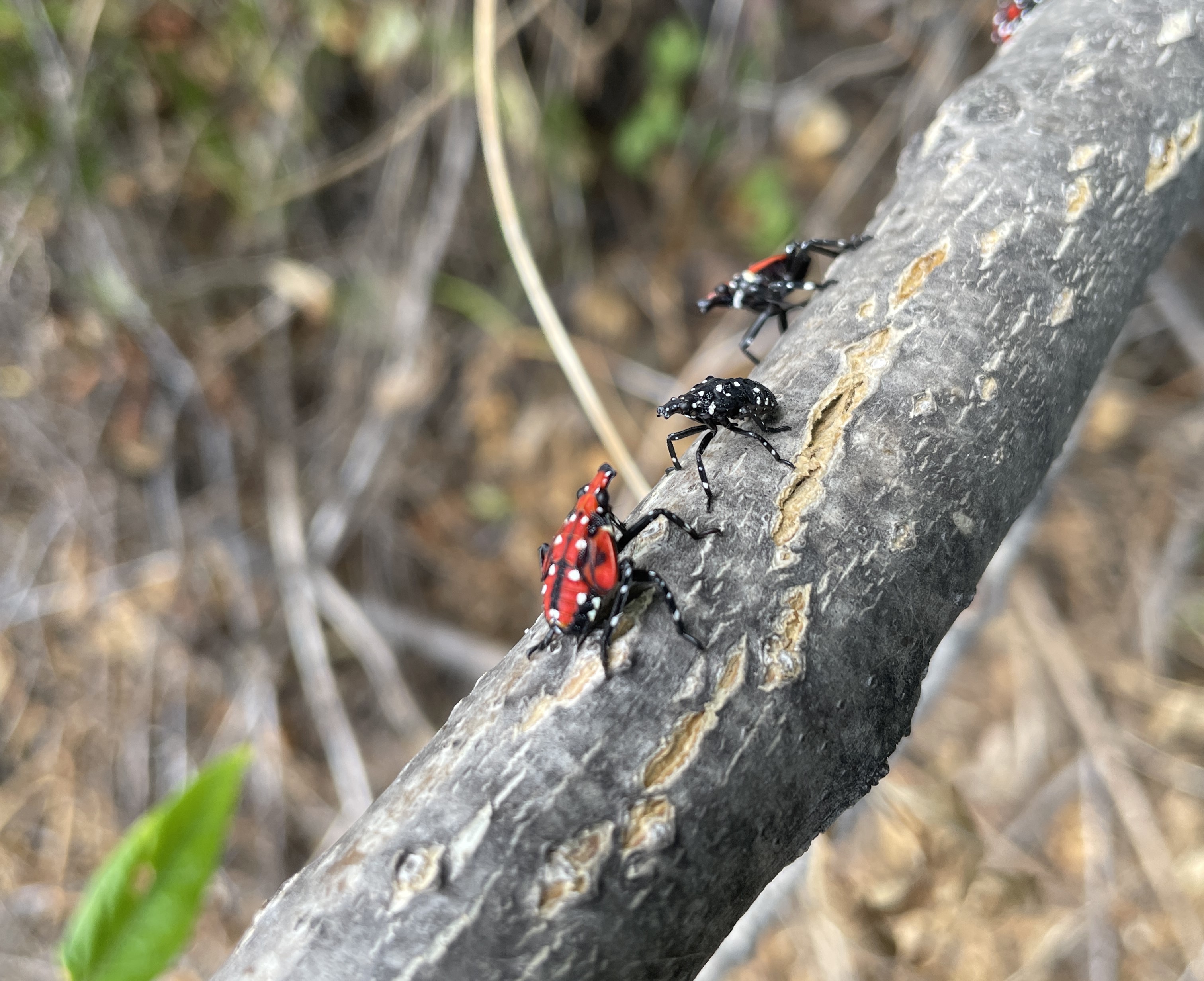
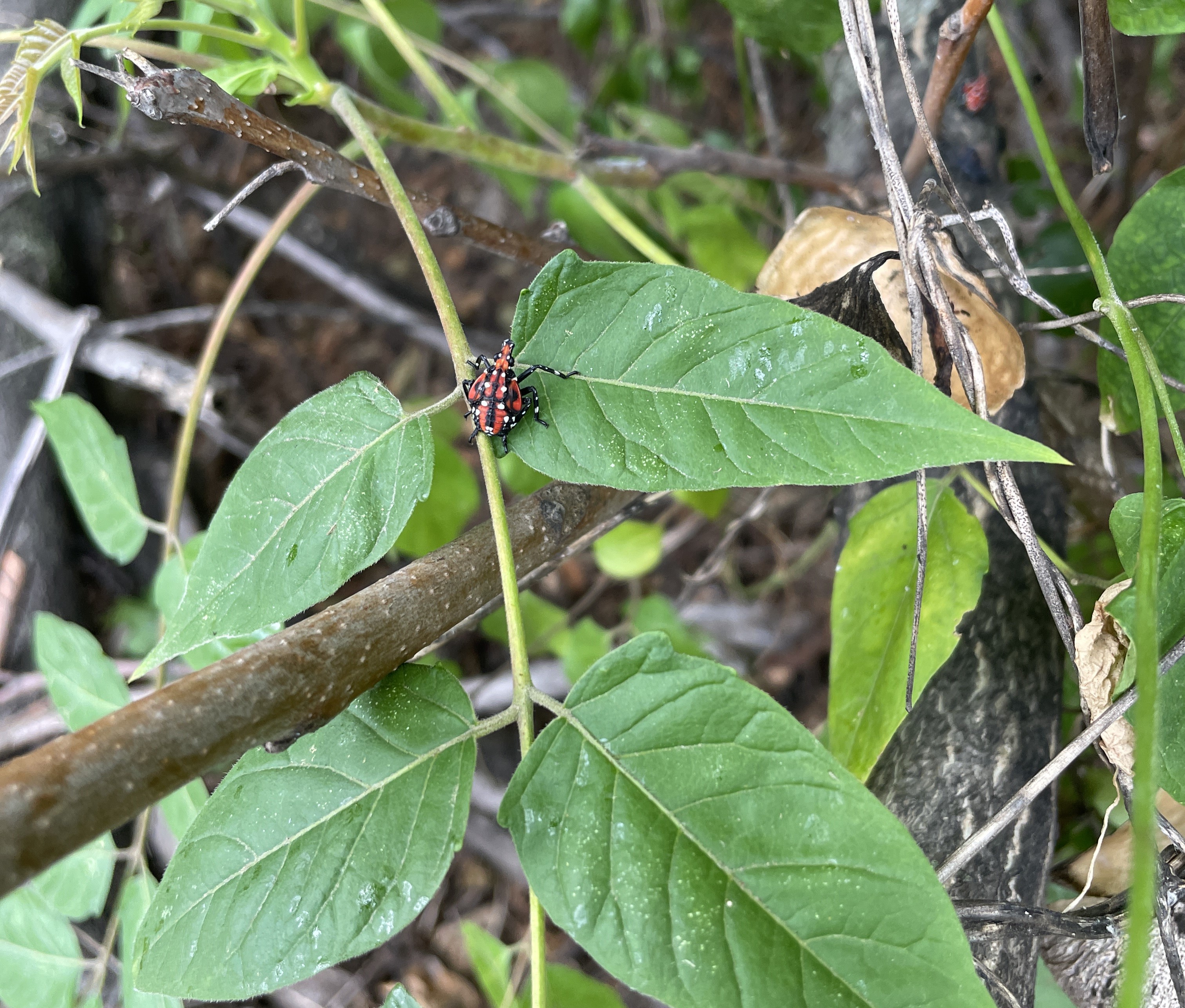
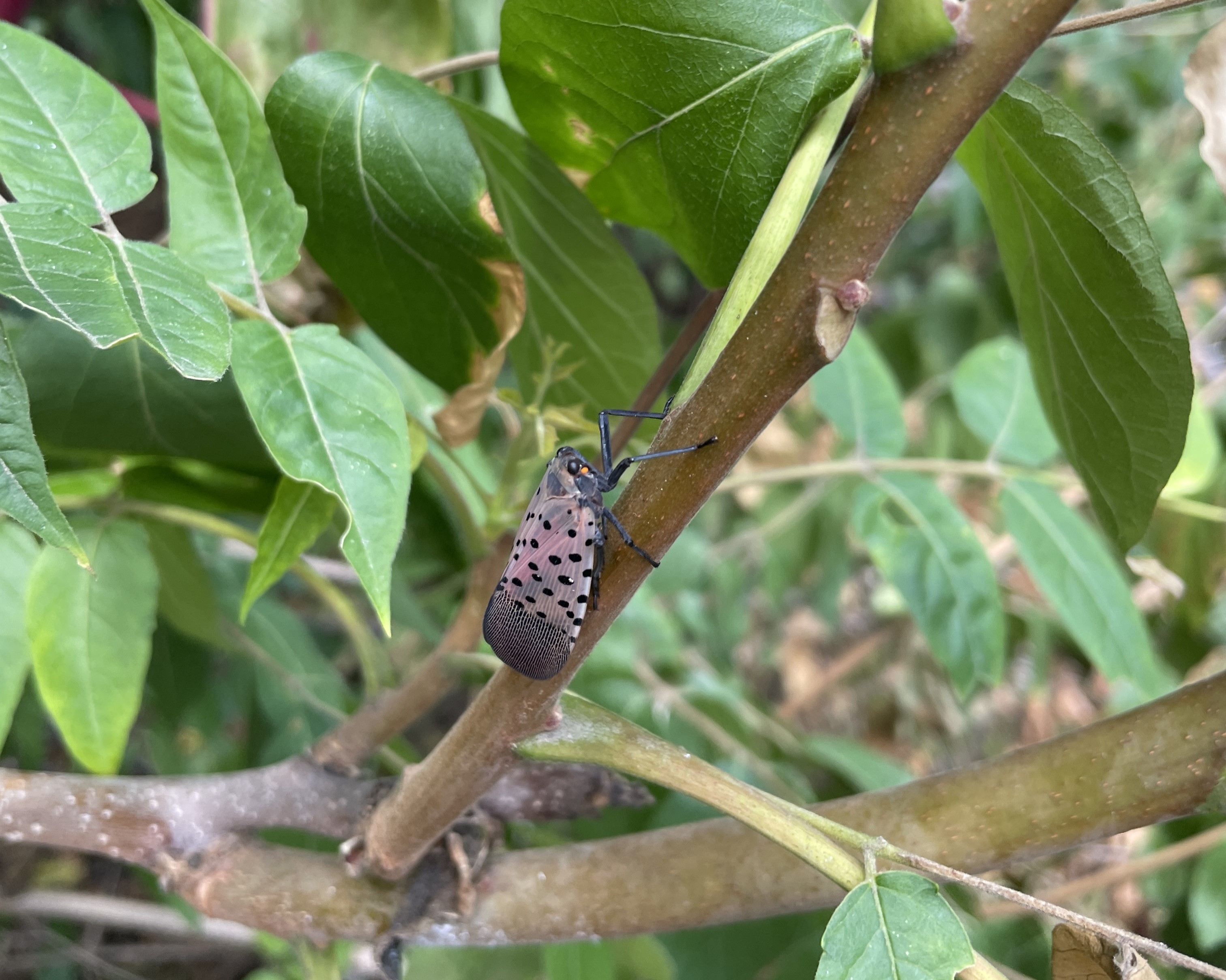
In regions of the US where SLF is present, adults are starting to be seen in some more southern regions like Columbus, Ohio (pictures below). In more northern regions, 3rd and 4th instar nymphs are mainly present. Adults are highly mobile as they can fly, so vigilance at this point of the year is incredibly important!
All SLF photos below were taken in Columbus, Ohio.
Observation of the week! The Birds are catching on…
Going back to box tree moth for a moment… when checking some traps last week, OMAFA’s nursery and landscape summer research assistant, Kendra caught a glimpse of some biological control at work in these boxwood hedges. A sparrow feasting on some box tree moth caterpillars! She was able to snag a photo and quick video before it flew away.
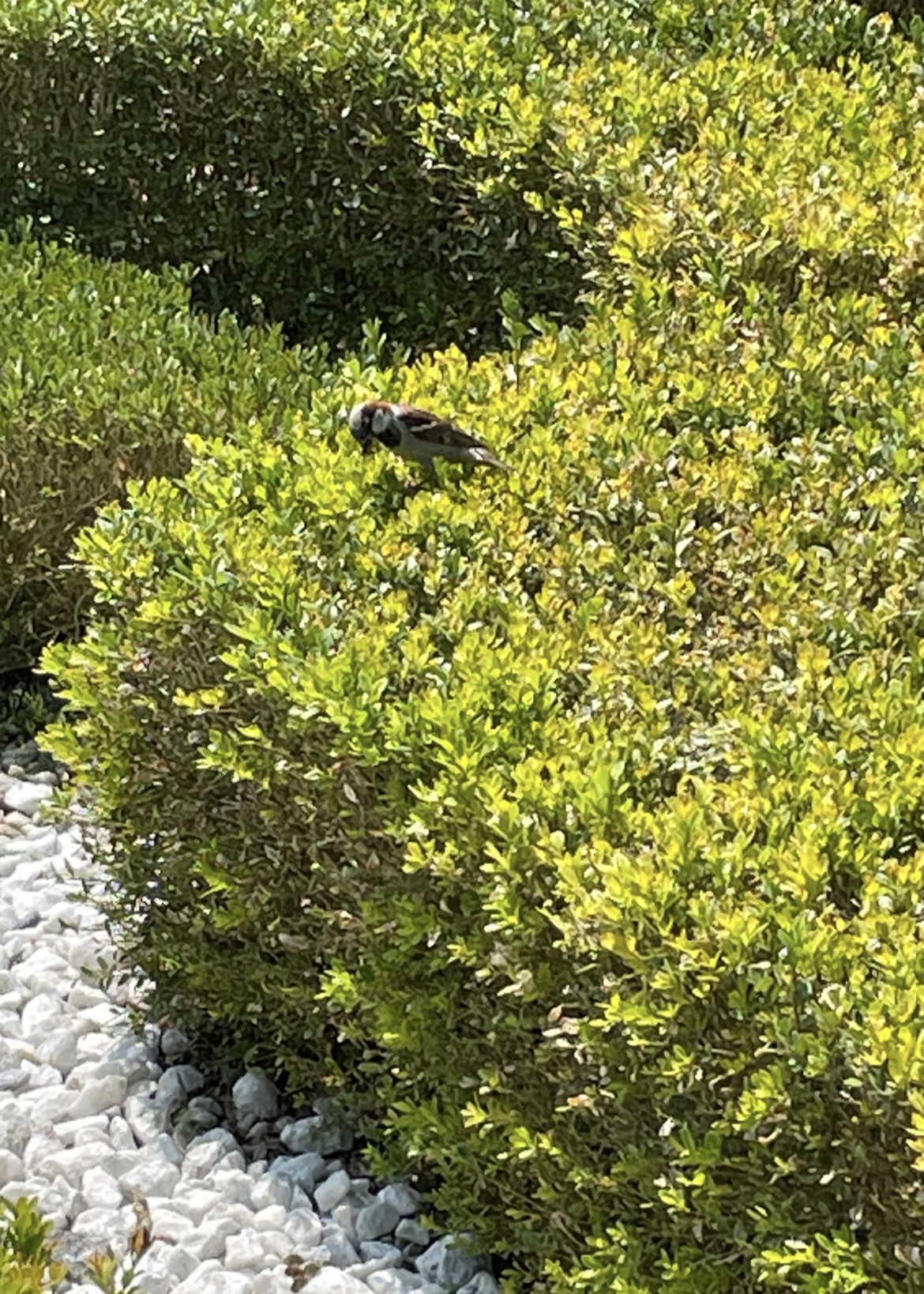
When we have invasive species, it takes some time for our native and naturalized fauna to learn of a new potential food source. I had heard some anecdotes from others that they had seen birds feasting away on box tree moth caterpillars, but now we have some video proof! While the birds are welcomed predators, unfortunately its still not likely to have much of an impact to the population yet, but a step in the right direction none the less!


European House Sparrow. One invasive species feeding on another….
LikeLike