
Box tree moth (BTM) development got off to an early start this spring and we’re already starting to see flight of the first generation.
Using public observations from the website iNaturalist, we can see some of this springs first observations of box tree moth adults from areas of: LaSalle (May 29), Windsor (June 3), Mississauga (June 9), Windsor (June 10), Pelham (June 11) and North York (June 12)
We also have a number of BTM pheromone traps throughout the major nursery production regions of Ontario that are regularly checked. Although no moths have been captured in those traps yet, we expect to see them any day now. So, if you use pheromone traps for BTM: check them now and regularly.
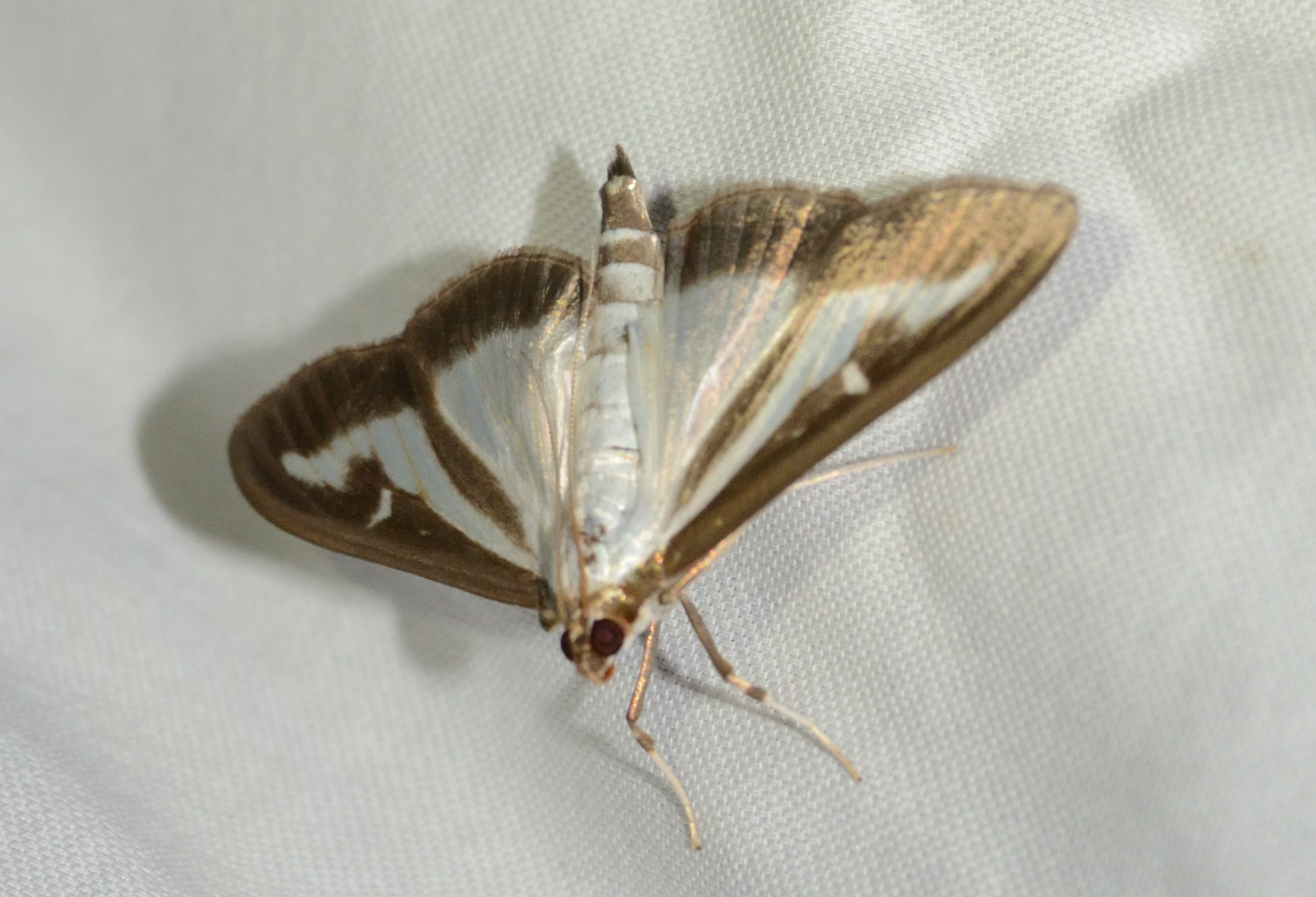
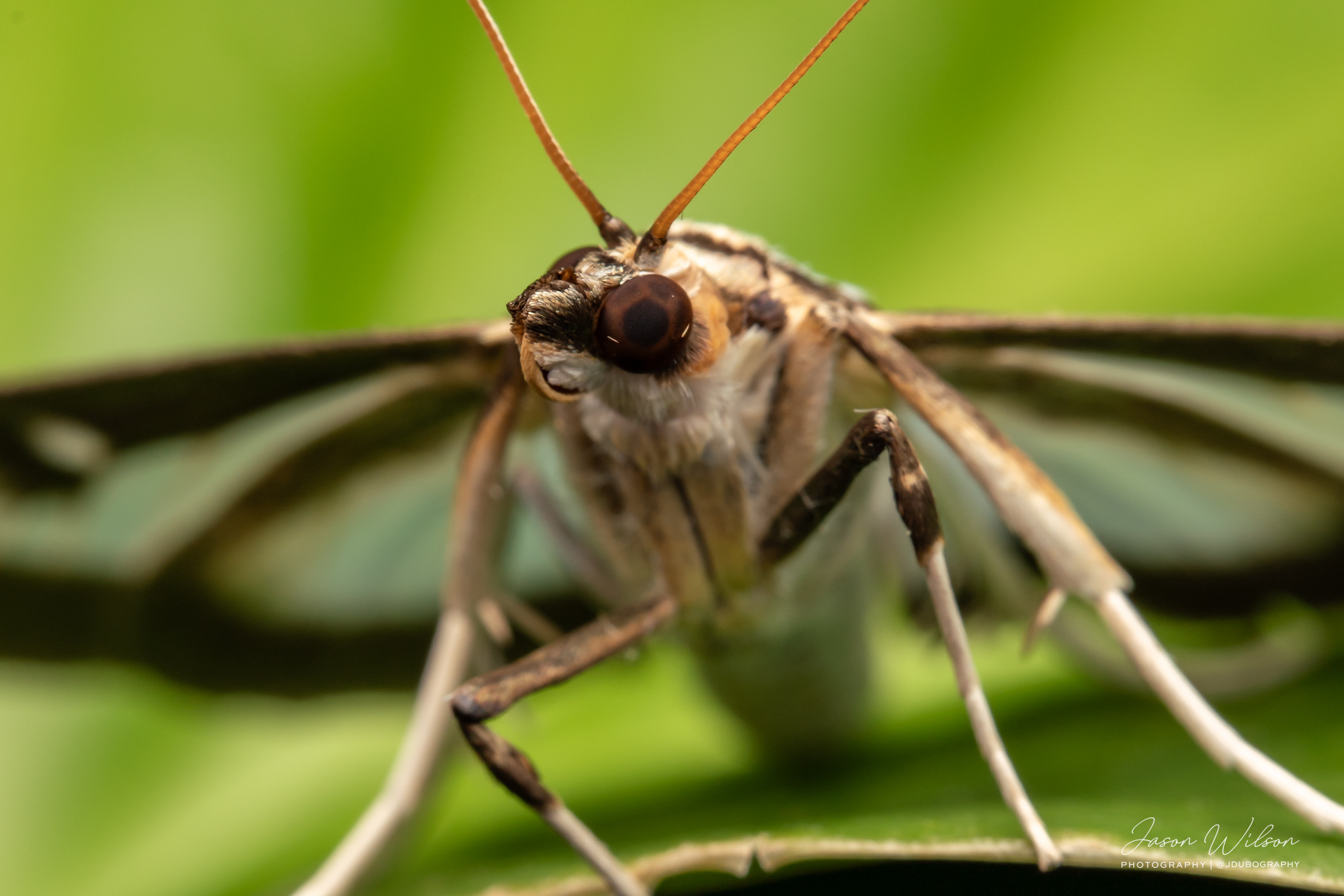
The flight period signifies the end of the first generation and the beginning of the next generation of BTM. Moths that are currently emerging and flying will be looking to mate and soon after, lay eggs on Buxus hosts. Each moth can live up to 14 days with literature identifying that females can lay between 480-800 eggs in their lifetime (yikes!). These eggs can hatch in as little as 4-5 days, where small 1st instar larvae will begin to feed on boxwood foliage.
Pheromone traps for BTM are a great indicator but not a control measure. The pheromone only attracts male moths, therefore females are still able to mate and lay eggs.
Once you’ve started to capture moths, this is your indicator to begin scouting again for signs of early instar feeding of the second generation and treat with registered crop protection products when larvae are observed and still small.
For more support on box tree moth management in the landscape, homeowners are encouraged to reach out to their local Master Gardener’s group, a certified arborist or landscaping professional. More articles and resources can also be found on the Landscape Ontario Box Tree Moth landing page.


