In this post:
- Japanese Beetles
- Potato Leafhopper
- Black Vine & Strawberry Root Weevil
- Powdery Mildew
- Box Tree Moth Updates
The planet saw its hottest day on record already this month, and experts say we could set more records.
On Monday July 3rd, the average global temperature reached 17.01˚C. On Tuesday the 4th, the average global temperature reached 17.18˚C and remained at this record-high on Wednesday. The previous record of 16.92˚C was set in August 2016. Experts warn that we could hit more record highs this year.
That said, we are trending close to historical 10 year average temperatures with the majority of Southern Ontario currently in the 500-700 GDD range (base 10˚C). Based on your regional GDD calculations, OMAFRA Publication 841 has tables for each of the ranges to help inform your scouting and management of pests in the nursery and landscape: Click here to view the PDF.
Here are just a few pest we’ve been seeing the last couple weeks, this is by no means an extensive list:
Japanese Beetles
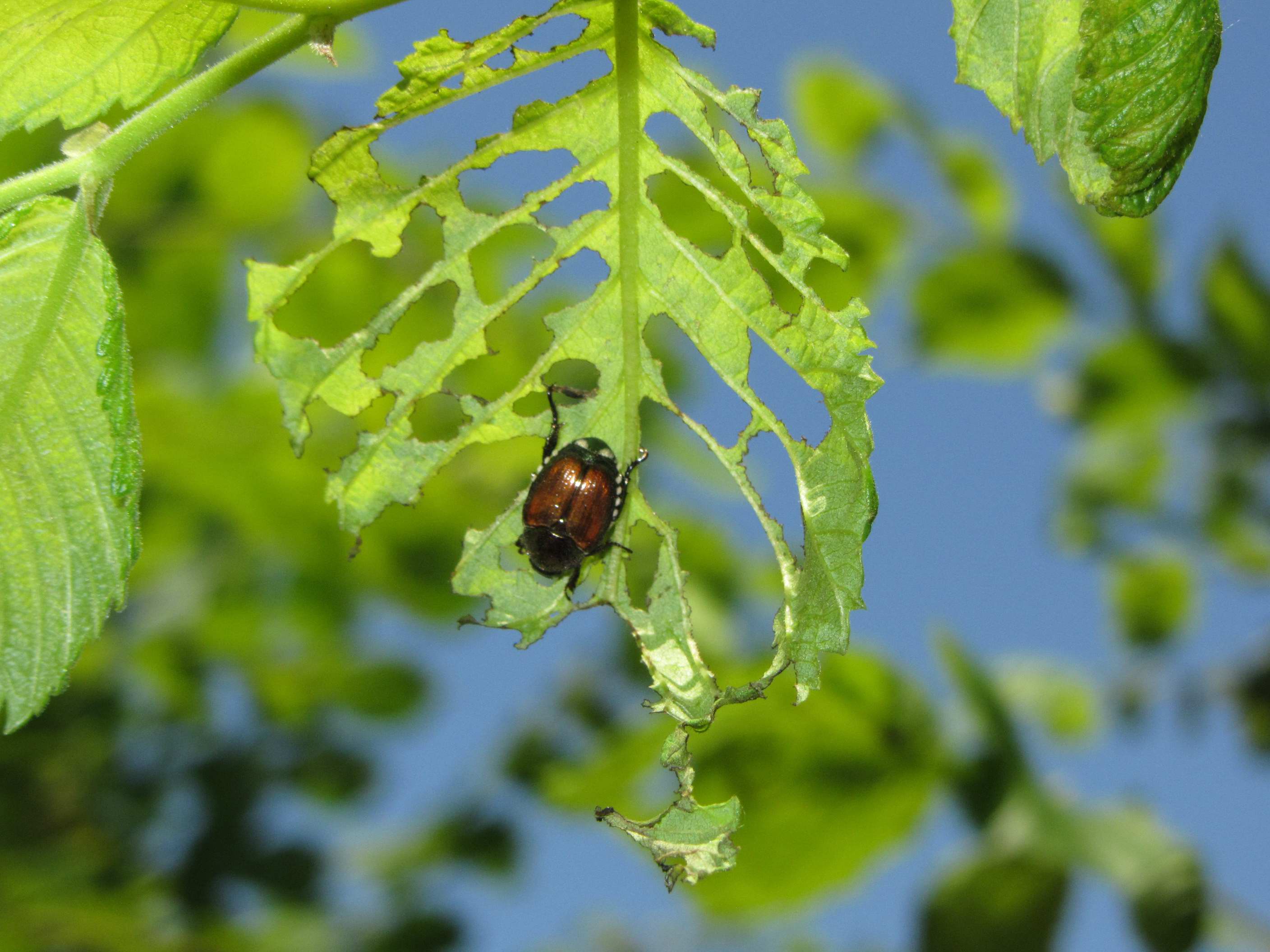
Adult emergence and feeding is well underway. We’re seeing large populations of adults already in areas north of the GTA and not as many adults (yet) to the south. Adults will be feeding on numerous ornamental hosts, in particular Syringa, Tilia, Ulmus, Prunus, Malus and Rosa.
Note that if you’re setting up pheromone traps to capture JB adults, ensure you put these traps AWAY from your plants and check/empty the traps often.
Have white grubs been an issue in your nursery? Preventative applications of Acelepryn (chlorantraniliprole) and Intercept (imidacloprid) are registered for white grubs in nursery production and July is a good time to use these products (during the adult flight period). Beneficial nematode applications for white grubs (e.g. European chafer) will be effective in early-mid August where there is regular irrigation available to keep soil moist and support nematodes. GrubGONE (Bacillus thuringiensis var Gallerae) is also registered for the larval stage of white grubs.
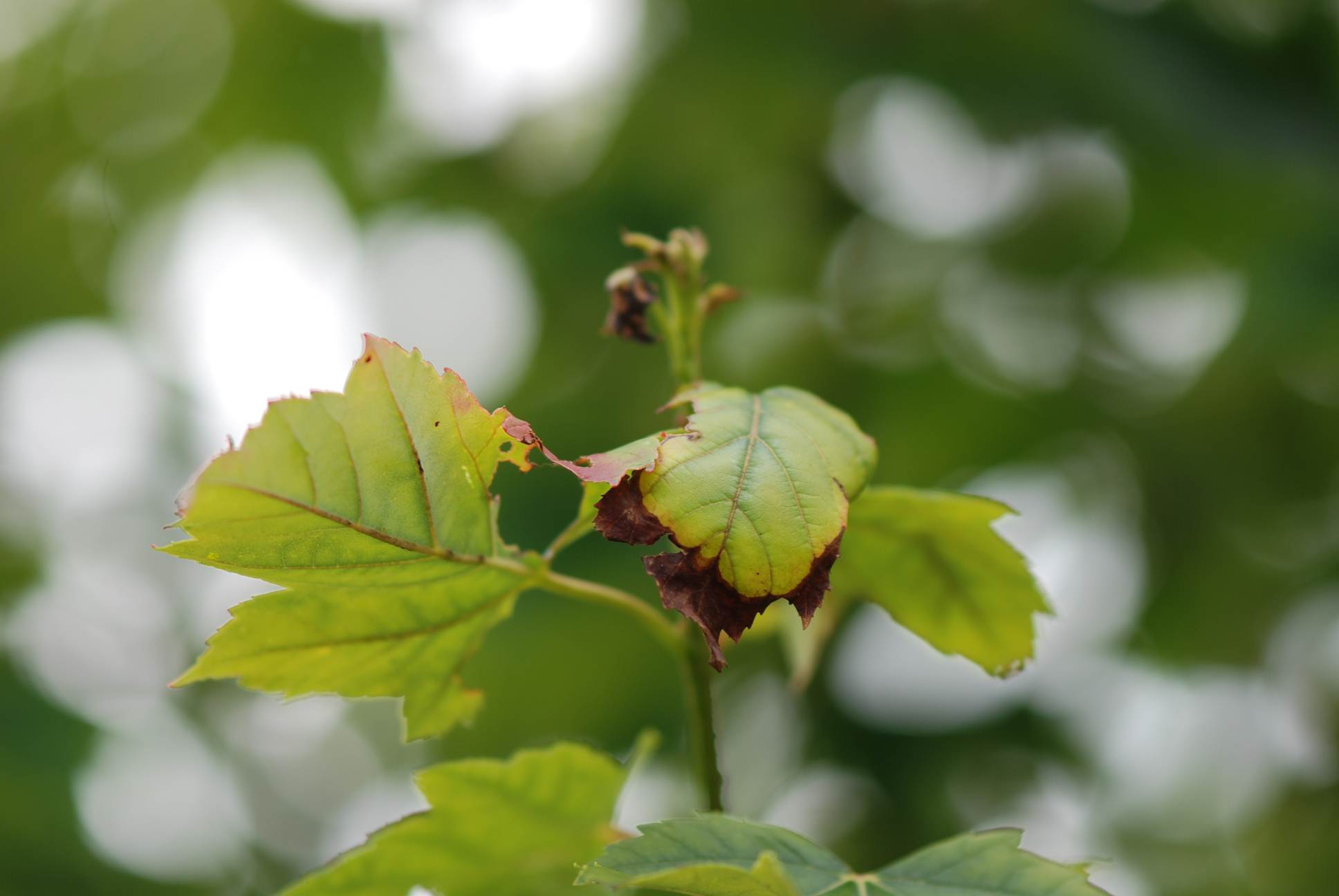
Potato Leafhopper
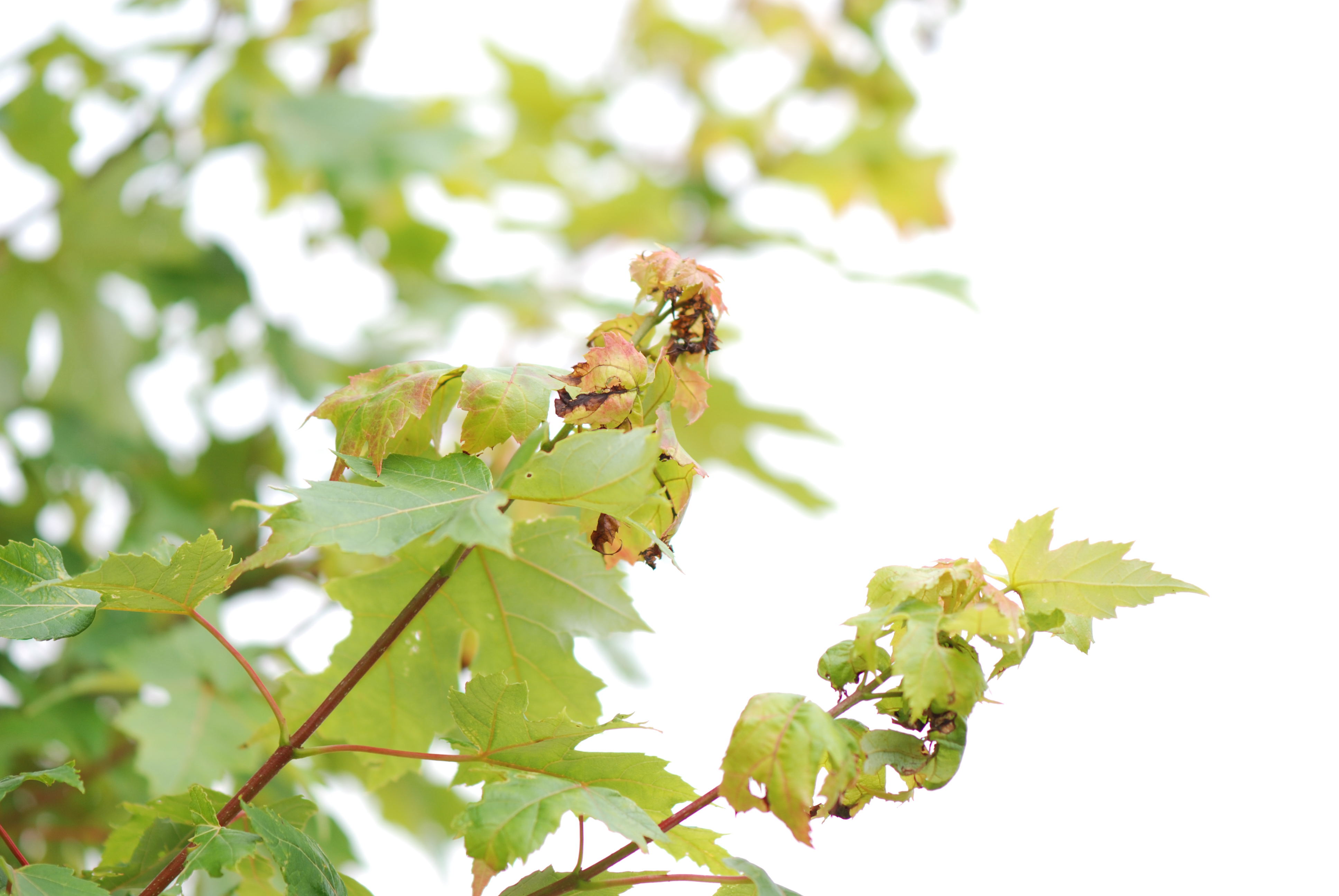
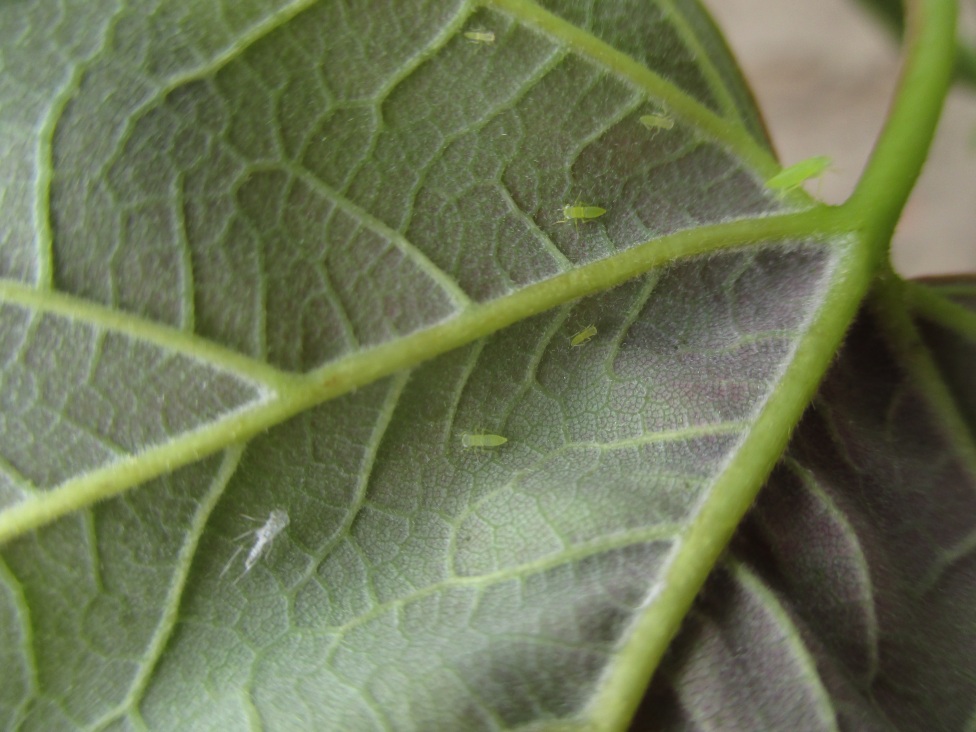
PLH are still active, but despite good conditions for development, we have not seen a lot of damage from potato leaf hopper this year. Continue to monitor Caragana and Acer as indicator plants; treat with insecticides at first sign of leafhoppers and/or damage on sensitive hosts. Susceptible crops are those that are flushing new leaves (leafhopper’s favourite food source). Older, hardened off foliage is not usually as susceptible. The nymphs can be easily distinguished from adults due to their lack of ability to fly away when disturbed. Nymphs will scuttle side to side on leaves and do not possess wings.
Black Vine & Strawberry Root Weevil
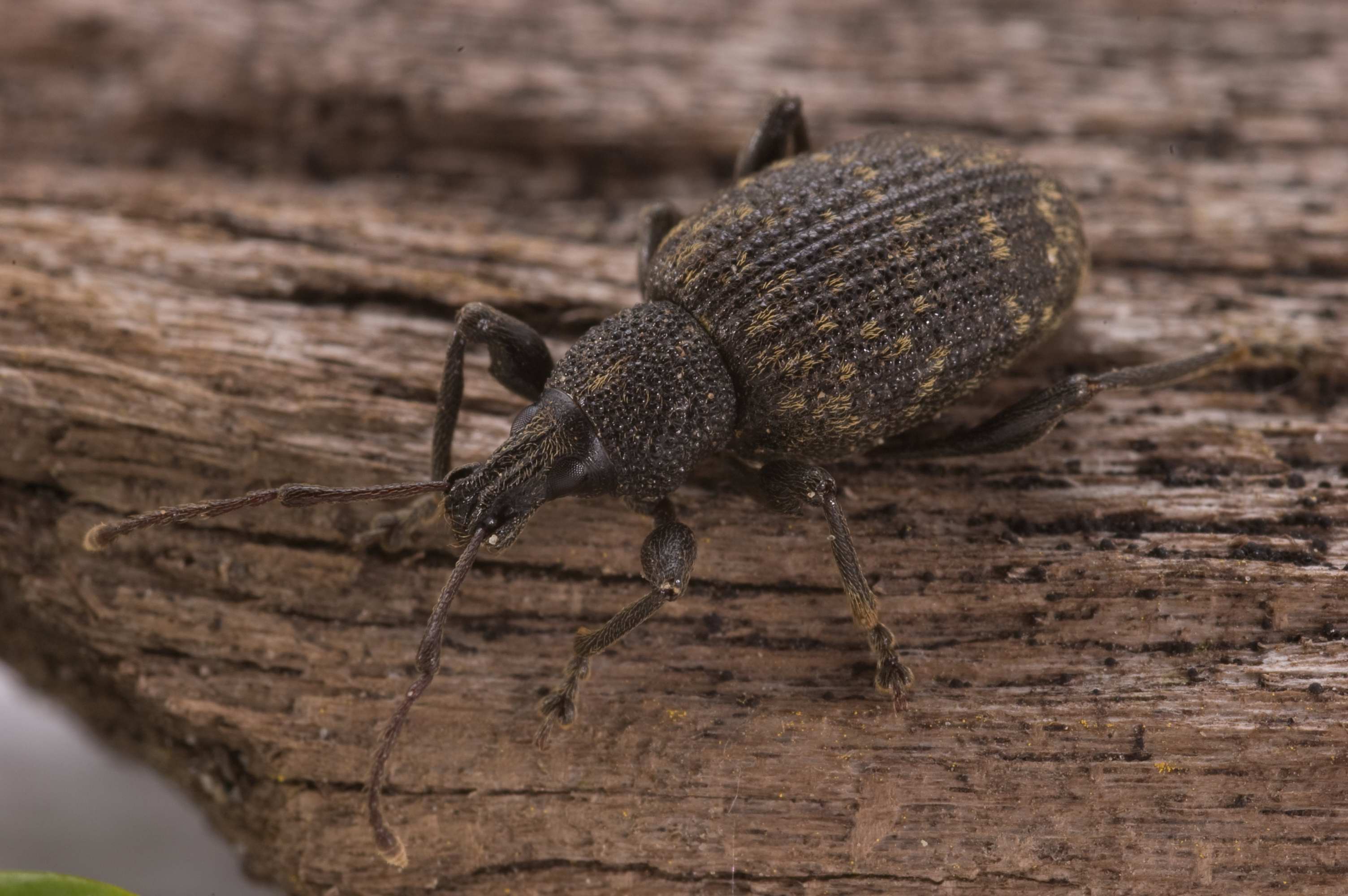
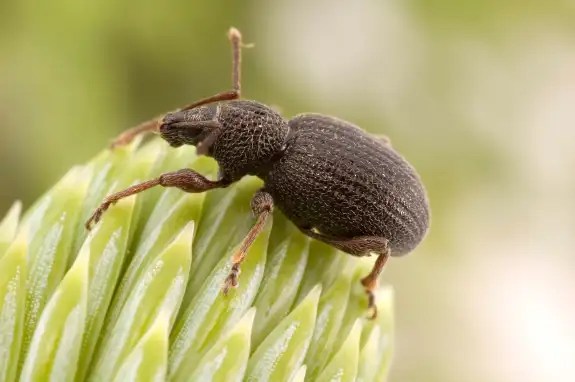
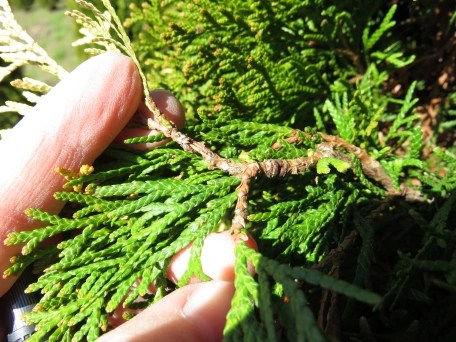
Adult Black Vine Weevils and Strawberry root weevils are feeding on various evergreen and deciduous hosts in field and container grown ornamentals. Look for Strawberry root weevil adults in spruce, eastern white cedar and sometimes in juniper. SRW’s will chew notches in small twigs, girdling them and causing the shoots to turn brown. Monitor for adults by placing out wet boards or burlap on the ground underneath the crop. Monitor for weevils under the board/burlap during the day. Alternatively you can shake the canopy onto a light coloured sheet and count adults that fall on the sheet. Beneficial nematodes (Heterohabditis bacteriophora) are still very effective for larval and pupal stages in Container Production.
Powdery Mildew
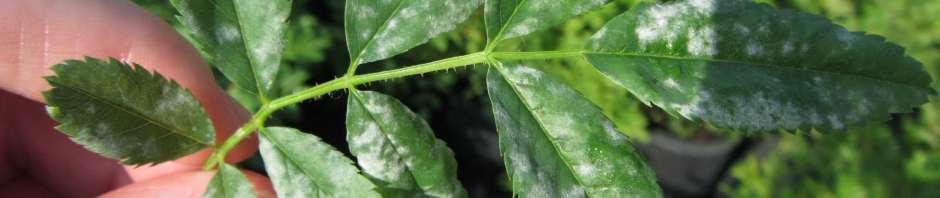
Powdery mildew continues to be a battle on some crops this season especially on Amelanchier, Rosa, Physocarpus and herbaceous perennials. Conditions that are conducive for powdery mildew development are hot/dry days and cooler nights.
Note that if you have powdery mildew on young host plants that are still pushing out new growth, it’s important to protect developing leaves with fungicides such as Banner, Heritage Maxx, Compass, Switch. Most conventional fungicides will have limited curative control on powdery mildew and need be applied to protect new/expanding foliage that is at risk. There are also a few biological products available to use such as Milstop, Tivano/Cyclone Plus, Rhapsody and Regalia biofungicide. Biofungicides can be great tools when used properly and/or in between sprays of conventional fungicides to manage resistance concerns. Here’s the low down on some biological products available for powdery mildew and how they work:
Milstop is a bicarbonate product that works on contact, causing the desiccation of fungal spores. It also inhibits enzymes involved in fungal cell wall formation by altering the pH levels on the leaf surface.
Tivano/Cyclone Plus is an acid-based product that works by creating a coating on plant surfaces that interferes with the powdery mildew pathogen growth. It also contains organic acids that disrupt the cell’s membrane to interfere with the lifecycle of the pathogen.
Regalia is made from the extract of Reynoutria sachalinensis (giant knotweed), which when sprayed on plants, activates the plant’s natural defense pathways. This induced diseased resistance is not systemic (i.e., only treated green leaf area is protected), but there is a translaminar effect. This means that when the product is sprayed on the top of a leaf, the bottom of that leaf also is protected. It takes a couple days for the defense response to be induced so it needs to be applied preventatively.
Finally, Rhapsody is a bacteria based biofungicide registered for suppression of a number of ornamental fungal and bacterial diseases. Most of these bacteria-based products have naturally occurring antifungal and antibacterial lipopeptide compounds that colonize the surface of the leaves and utilize multiple modes of action to destroy pathogens, making them a great tool to rotate between other chemistries for resistance management.
There is some misinformation out there that biological products don’t last as long or work as well as conventional fungicides, but a lot of the times this isn’t true and lack of efficacy can come down to user error. No matter what products you’re using it’s critical to understand how the product works to make sure your applying it correctly and you get the most out of your tools!
Box Tree Moth Updates
Box tree moth (BTM) flight period is ongoing in some regions of the province, and we seem to have already hit peak flight period in the Niagara region. Please check your pheromone traps for adult moths. Adults will be laying eggs on suitable Buxus hosts and we have already seen early instar larvae of the second generation in the Niagara region.
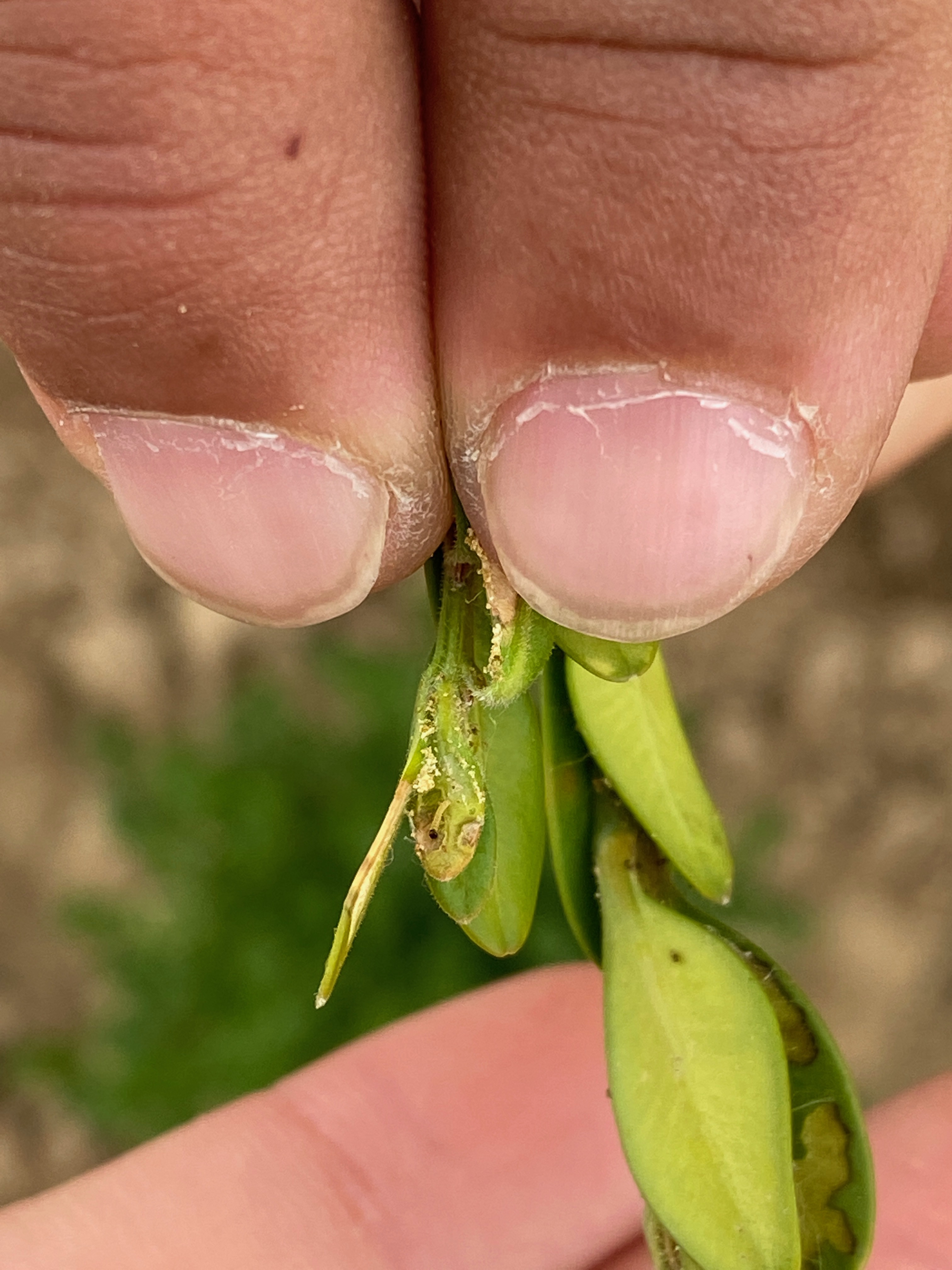
Even if you have been free of BTM to date, pheromone traps close to boxwood will give you an indication if you have populations in your area, but this should also be coupled with regular plant inspections. We recommend sprays for BTM start around July 15, once most eggs are assumed to have hatched and larval feeding begins. Deltagard and B.T.K. products (Dipel, Bioprotect, etc.) are labeled for control of BTM. Both require sufficient coverage of the foliage to provide adequate control. Deltagard is registered for commercial use and MUST come in contact with the insect for it to have efficacy. B.T.K. is registered for both residential and commercial uses and must be applied liberally to the foliage so that it can be ingested by feeding caterpillars. Neither of these products are systemic so it is critical that spray reach the interior of larger boxwood plants and sprays are followed up by thorough monitoring to ensure they were efficacious.
On the topic of Box Tree Moth, a Ministerial order was just posted this week. Click here to read the notice to industry: Notice to Industry – Ministerial Order to prevent the spread of box tree moth from the province of Ontario – Canadian Food Inspection Agency (canada.ca)
This ministerial order further supports the implementation of the current Directive D-22-04: Box tree moth (Cydalima perspectalis) – domestic and import phytosanitary requirements.
For more information on D-22-04 or regulatory questions around box tree moth, please connect with your local CFIA office.
Lastly, if you are a boxwood grower in Ontario, please check your inbox for a boxwood survey! CNLA is conducting a survey to identify the economic losses incurred to date by the Canadian nursery sector from box tree moth. Please fill out the survey by TOMORROW. This information will greatly help ongoing discussions regarding trade barriers.
Thanks to the Invasive Species Action Fund for support with the LO Nursery Scout Program this season.



Hi Cassie. We have noticed the Japanese Ivory Silk Lilac trees were beautiful when blooming this year with an abundance of flowers however now looking
LikeLike