Happy May long weekend to everyone! What a wonderful (and busy) time of year. This week I’ve been appreciating all the fantastic blooms in the landscape: have we ever had a bloom this long and beautiful? Not that I can remember!
Right now we’ve just about reached full bloom of Syringa vulgaris and late bloom of cercis canadensis in a number of regions. This indicates that most regions of Southern Ontario are entering the window of 100–150 GDD, Base 10°C.
Spongy moth have hatched
This week we observed spongy moth hatch. In last weeks pest report I mentioned that this year we’d see reduced numbers of spongy moth compared to the last couple years of peak activity. There is an article here detailing results from surveys that identify there may still be some hot spots in regions such as Aylmer, Guelph, Parry Sound, Aurora, Kemptville, and Bancroft: Click here to read the article.
On the topic of caterpillars, we’ve also been seeing activity from other pest like fall cankerworm (photo below) and eastern tent caterpillars.
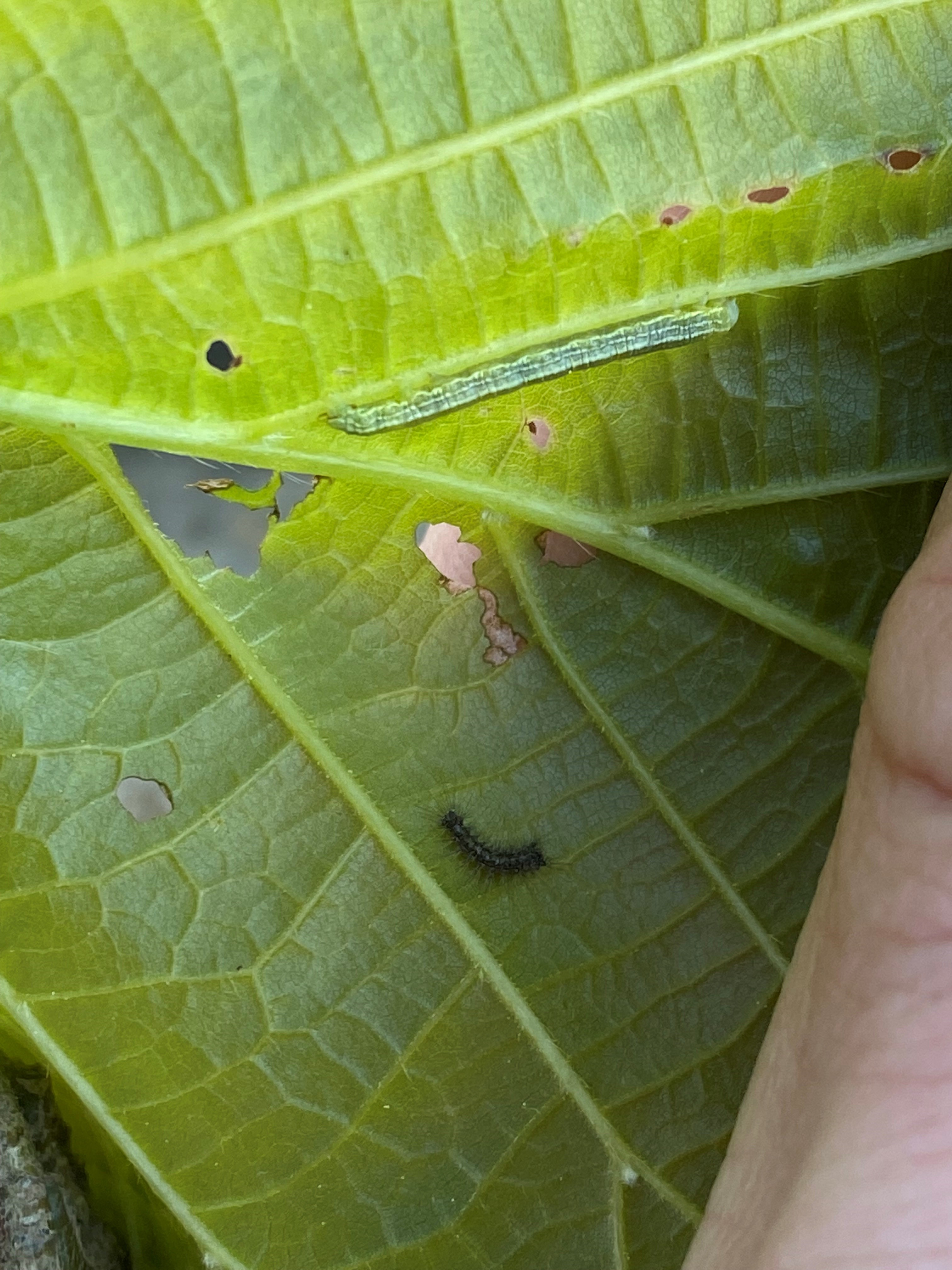
The black fuzzy larvae of eastern tent caterpillars are now feeding and making webby tents in branch crotches. If you find tents, remove them where possible.
A good level of control can be achieved using Bacillus thuringiensis (B.t.) such as Dipel, Xentari, BioProtec, and/or Spinosad (Success) insecticide in the first 2 weeks after egg hatch. B.t products are great to use in this window where caterpillars are small and actively feeding: remember the bacteria needs to be ingested by the caterpillars so GOOD COVERAGE is critical for success. Additionally, timing your B.t. sprays late in the day or when there is some cloud cover will help you get the most efficacy from these products. Caterpillars that have ingested the bacteria while feeding turn black and die approximately 3-5 days after eating the B.t. residue on the foliage.
Look out for other pests:
From Table 2-7 in Publication 841: Guide to Nursery and Landscape Plant Production and IPM (ontario.ca)
On evergreens, now is the time to scout for pests such as spruce spider mite, Balsam twig adelgid nymphs and European pine sawfly larvae on new growth.
On viburnum, inspect new leaves for snowball aphid nymphs and the twigs and undersides of leaves for newly hatched viburnum leaf beetle. Both are vulnerable to insecticides soon after hatch.
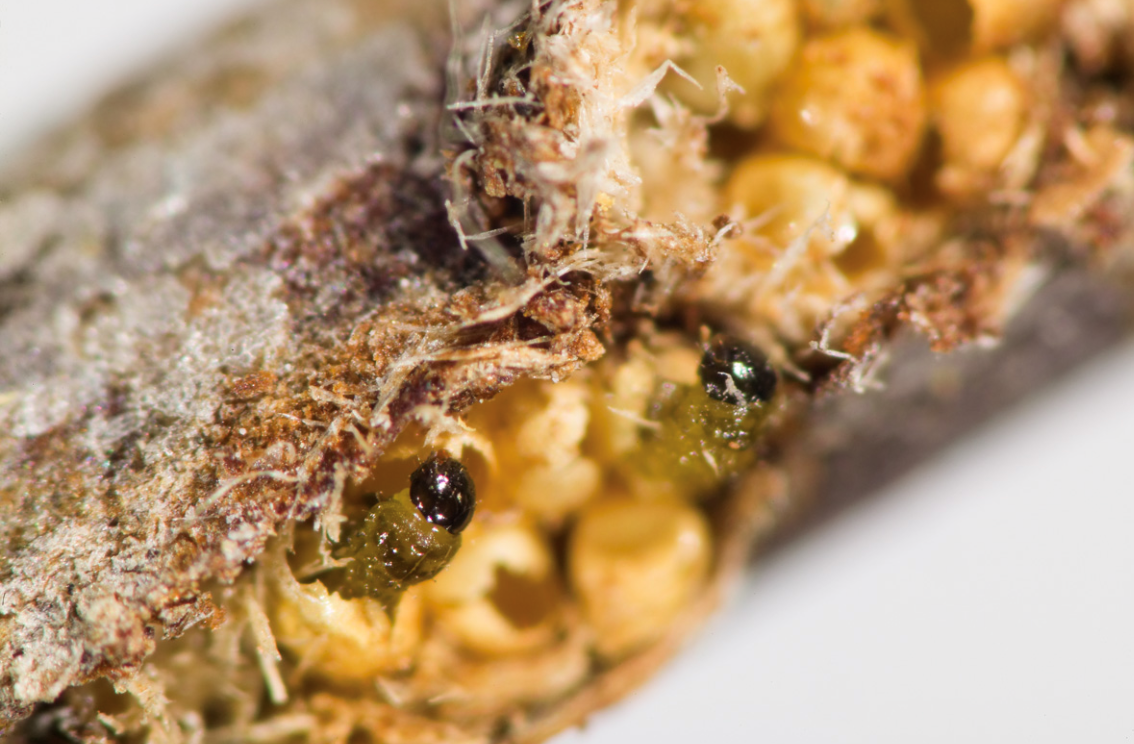
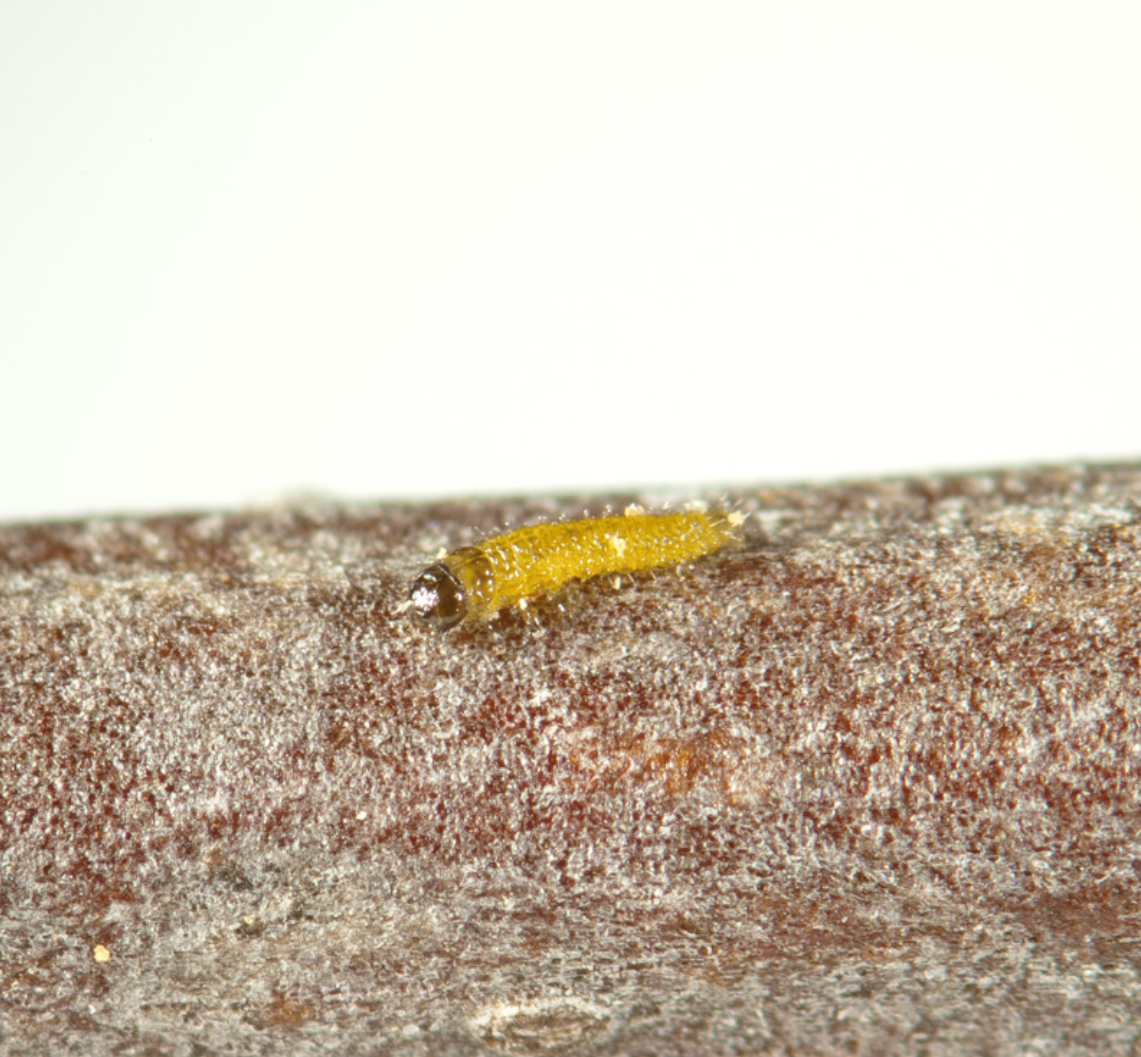
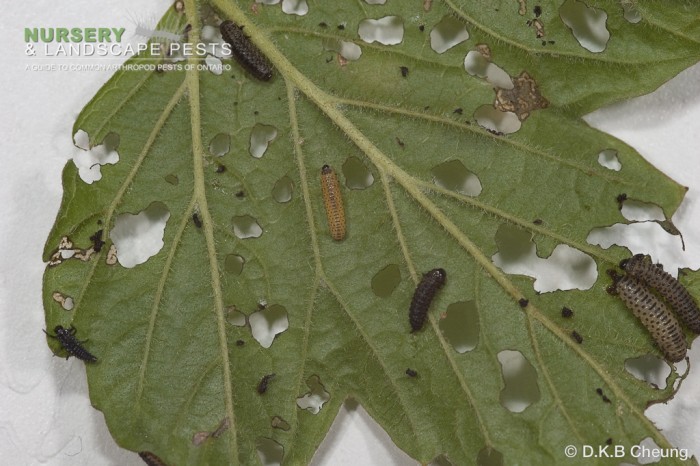
Check out the Bug Finder App for excellent photos and information on these pests and more!
We’re still keeping eyes peeled for the first flush of leaf hoppers and any sign of mites: nothing to report yet!
With some rains in the forecast again, rust galls on Juniperus hosts may again sporulate, so prune those out where possible and apply proactive fungicide applications to protect nearby rosaceous hosts from Rust diseases.
Time to treat for Box Tree Moth!
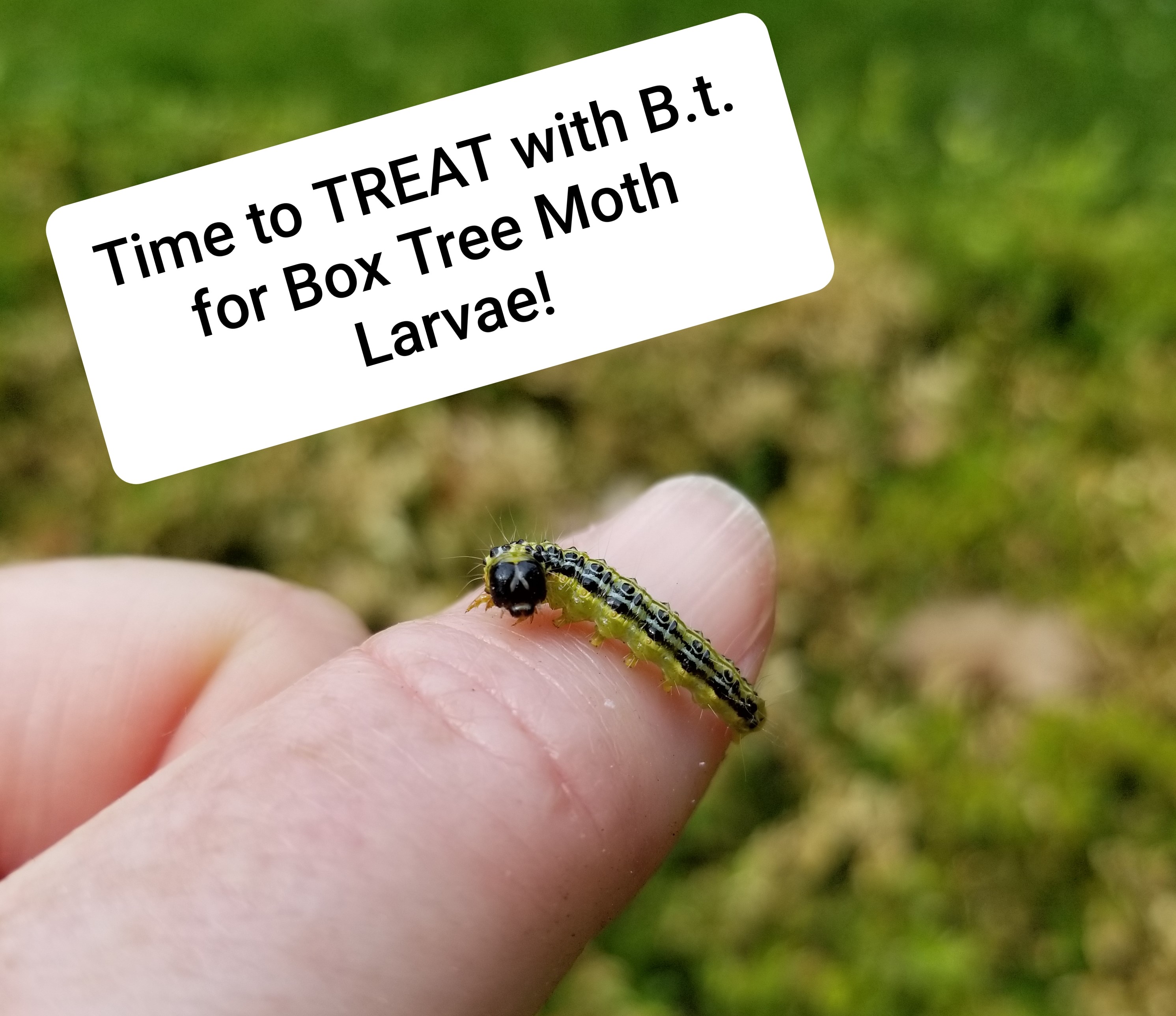
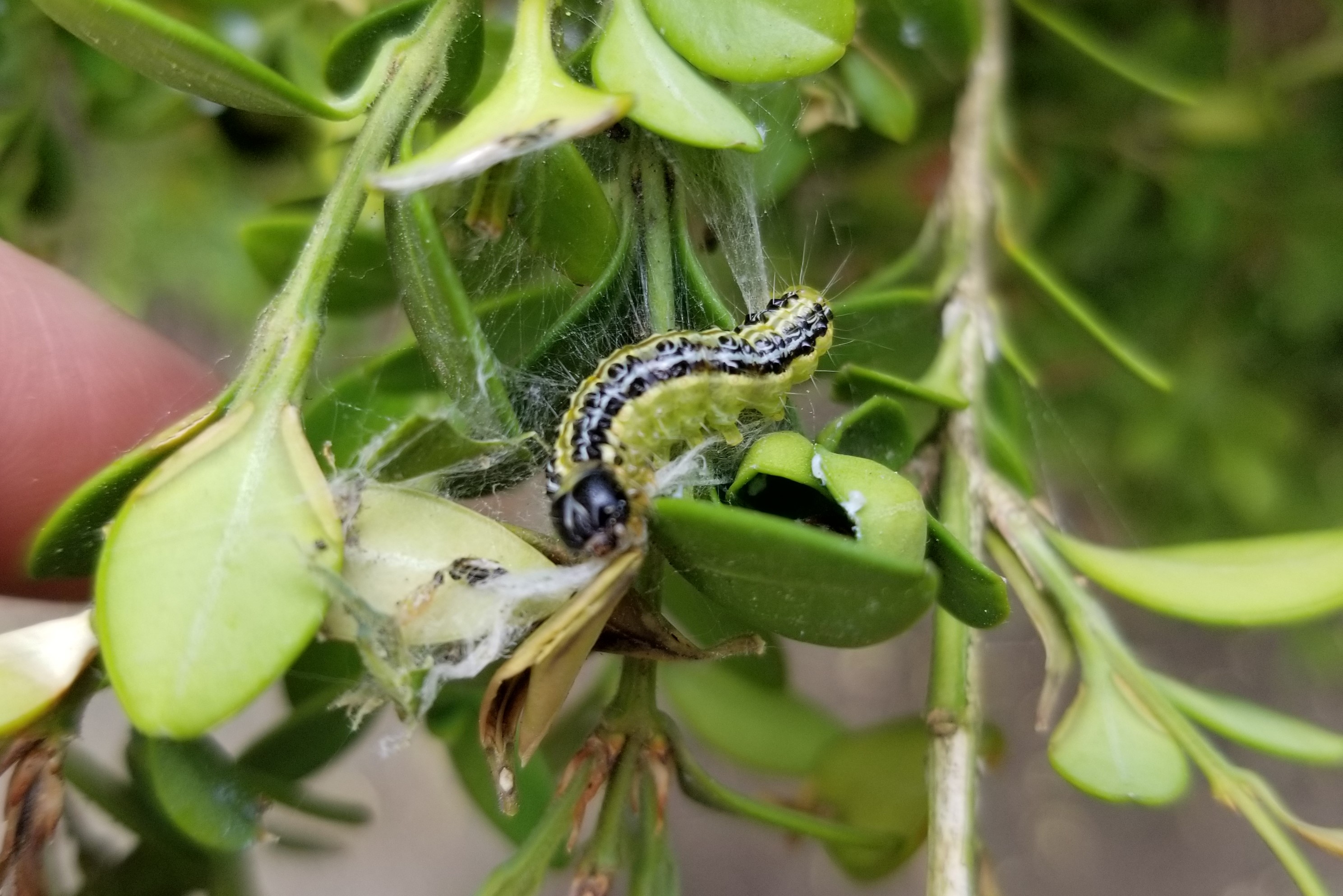
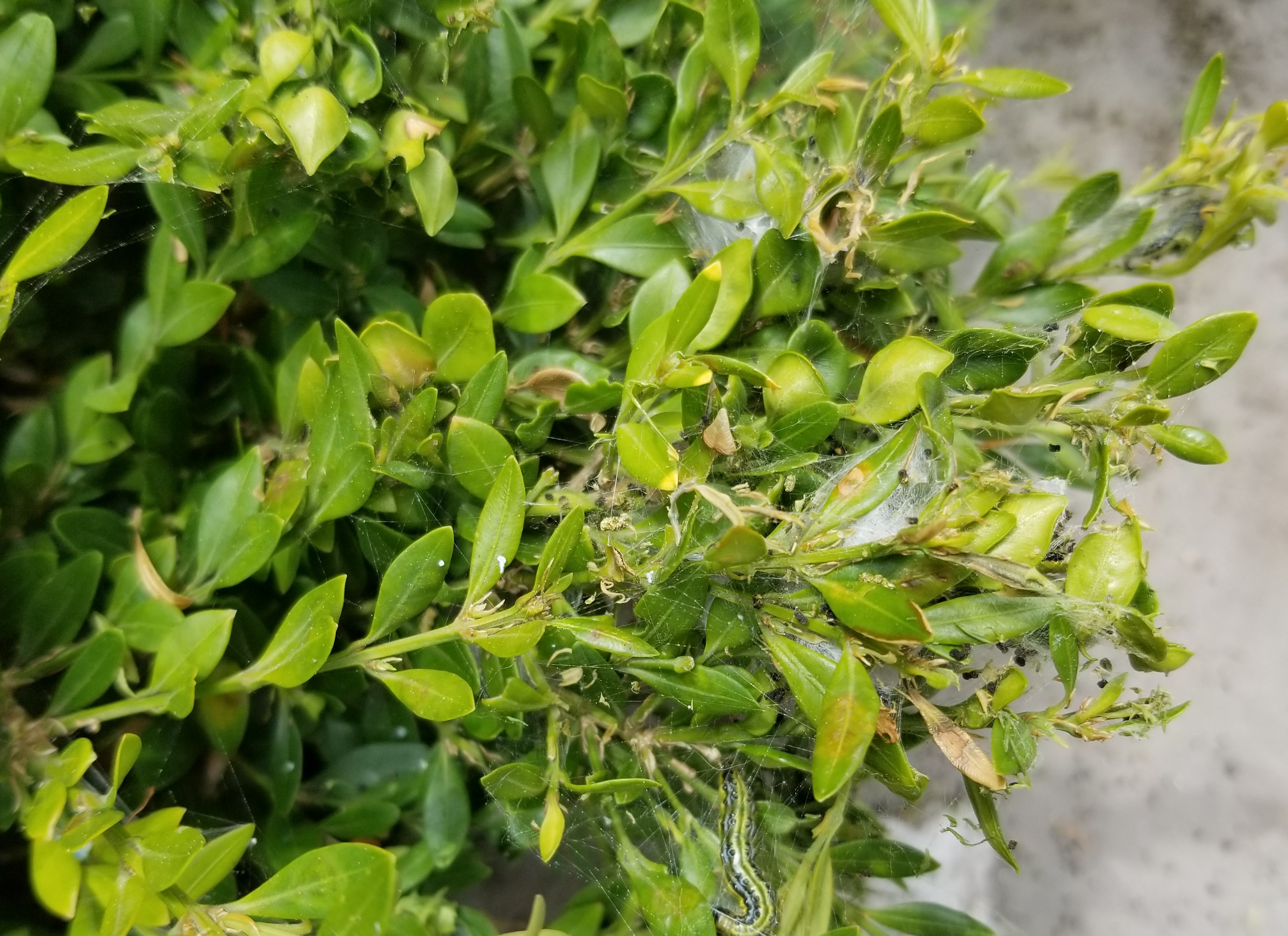
Box tree moth sprays of B.t. products are beginning in the GTA and surrounding areas. Remember to inspect your boxwood thoroughly by opening the canopy. It might look good on the outside, but a thorough inspection could show you otherwise. If you find webbing, frass, chewed leaves and small green/black caterpillars feeding, now is the time to treat your boxwood with the biological insecticide B.t.K.
For some great photos on what to look for, refer to this old blog post: NOW IS THE TIME to Treat for Box Tree Moth Larvae in Toronto | ONnurserycrops Blog (wordpress.com)
Disease of the week: Powdery Mildew
Powdery mildew has started showing up in some areas. Contrary to most other fungal diseases that thrive in conditions of extended leaf wetness, powdery mildew tends to show up when we have hot dry conditions. With the lack of recent rains, we’re seeing powdery mildew starting to develop in some shrubs like these roses.
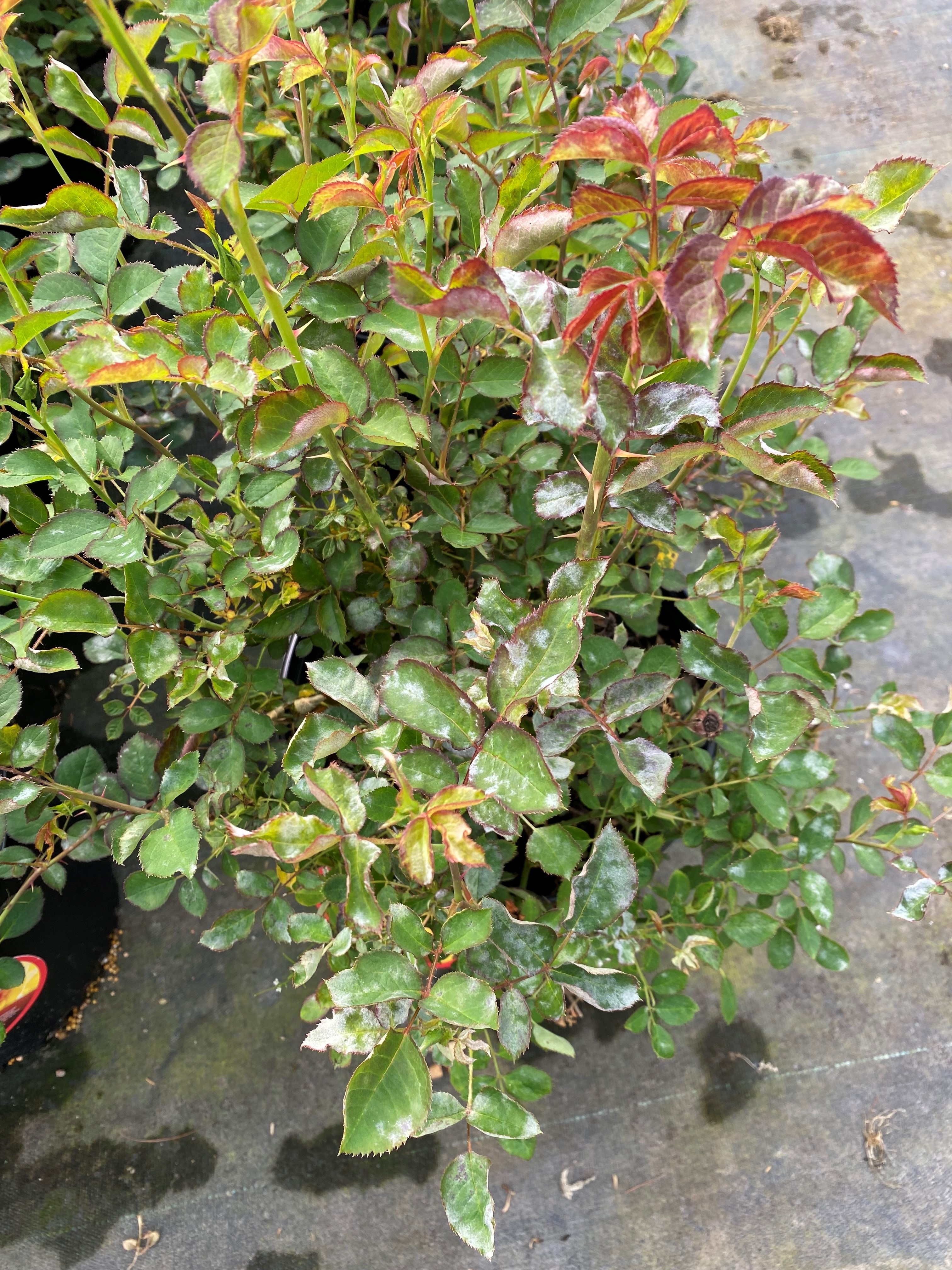
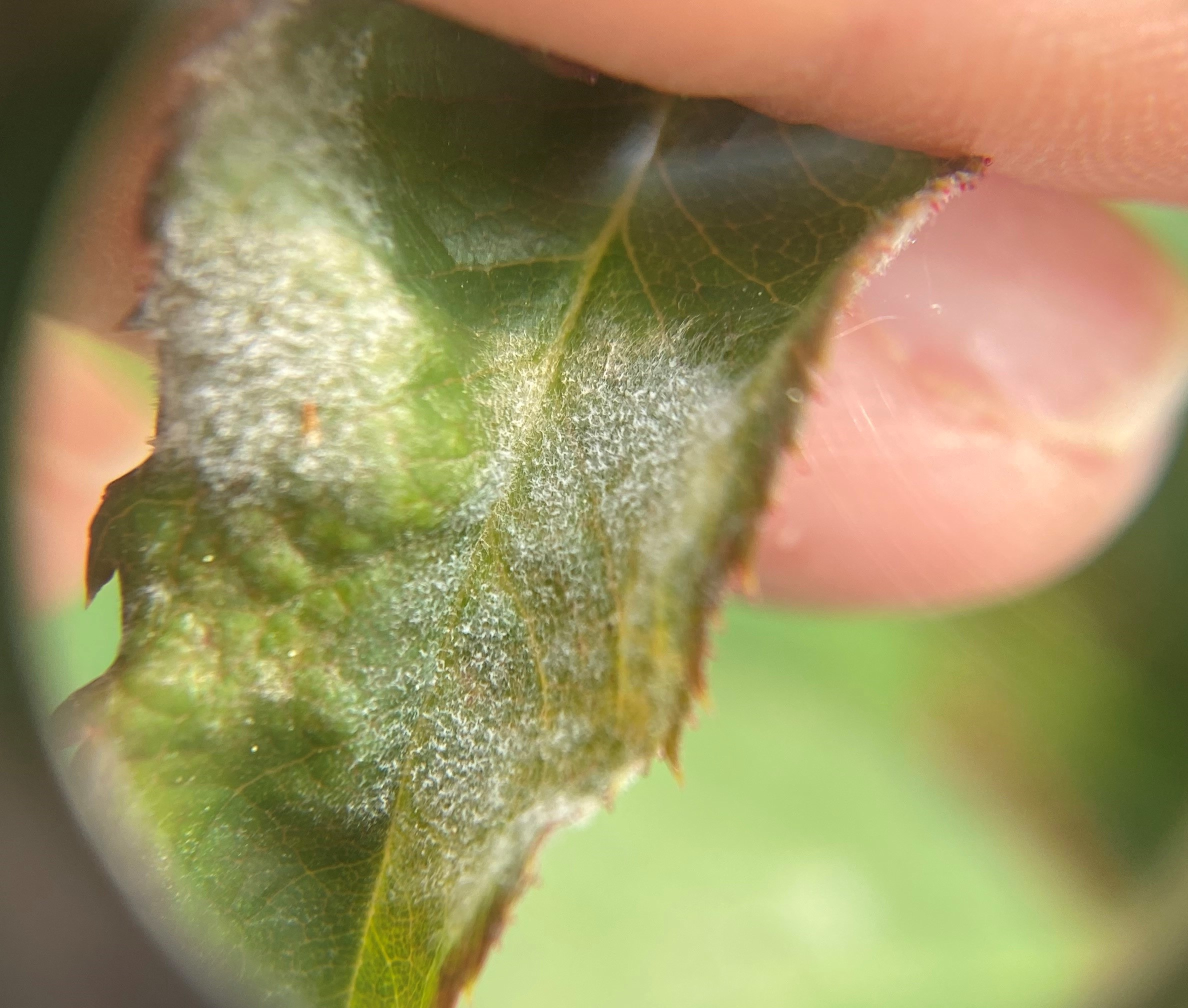
Thankfully there are number of products registered for powdery mildew for nurseries. Ensure you are rotating between fungicide groups when treating for powdery mildew to manage resistance. Options include Group 11s (Heritage Maxx, Compass), Group 3s (Nova, Funginex), Group 1 (Senator), Group 9/12 (Palladium), Group 7/11 (Pristine).
If using biological fungicides such as Tivano, MilStop, Regalia Maxx, and Rhapsody, these all need to be applied preventatively or at the very first signs of disease. They also make great rotation partners with some of the conventional chemistries listed above.


