Happy spring everyone and welcome to the first pest report for 2023.
We had a damp start to May that’s for sure, but the plants sure are loving the sun and heat from this week.
After this weeks warm temperatures, most of Southern Ontario is now in or entering the 55–100 GDD window (Base 10°C). Acer saccharinum are leafing out, Cercis canadensis is just starting to bloom and Magnolia’s are showing off those beautiful flowers!
With those phenological indicators in mind, here are some key pests to be aware of during this time and some notes about what we’ve been seeing in the field.
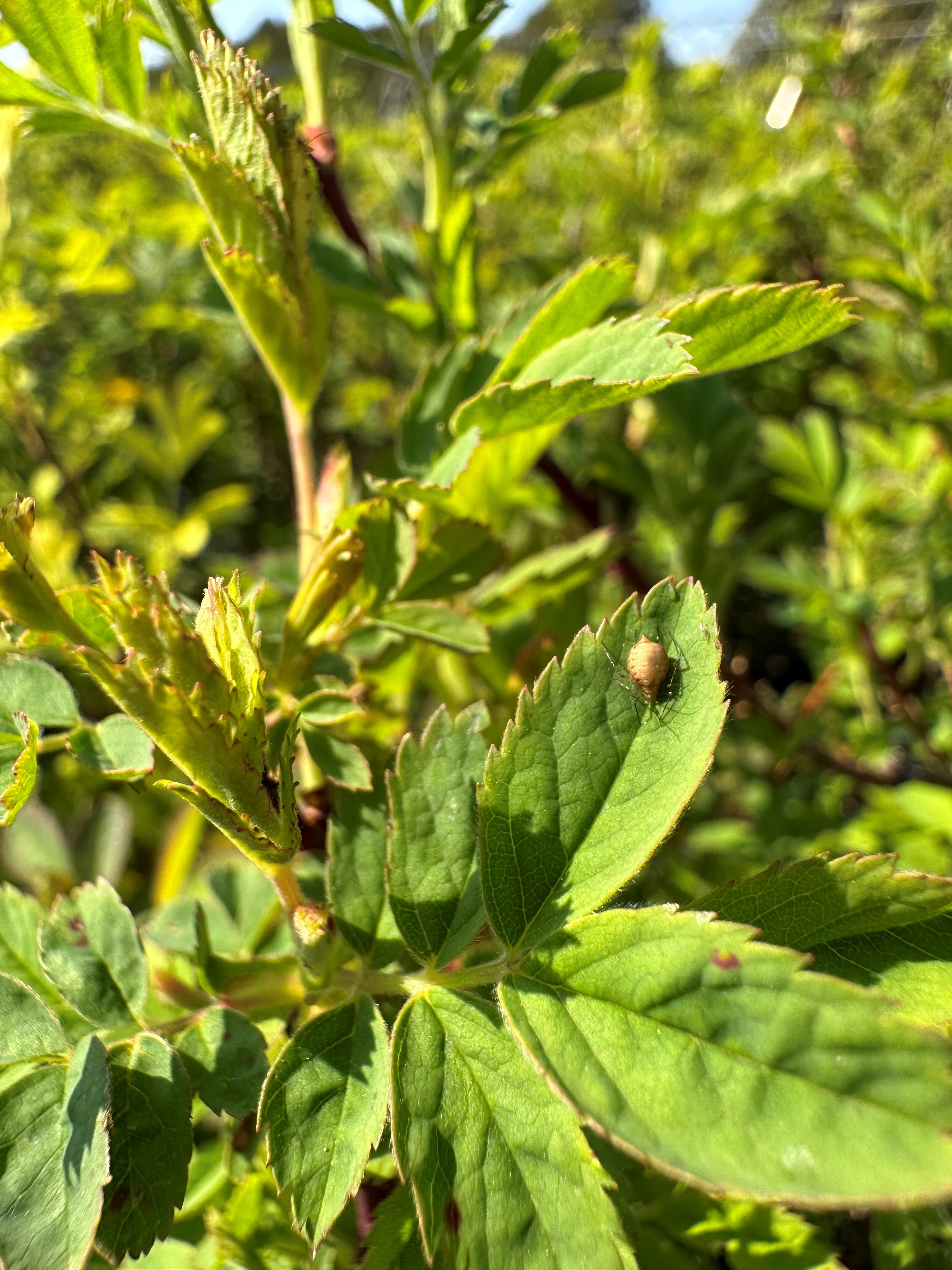
Aphids, Aphids, everywhere!… But also lots of beneficials.
- Lots of aphids were encountered this week during scouting, especially on plants in the Rosaceae family.
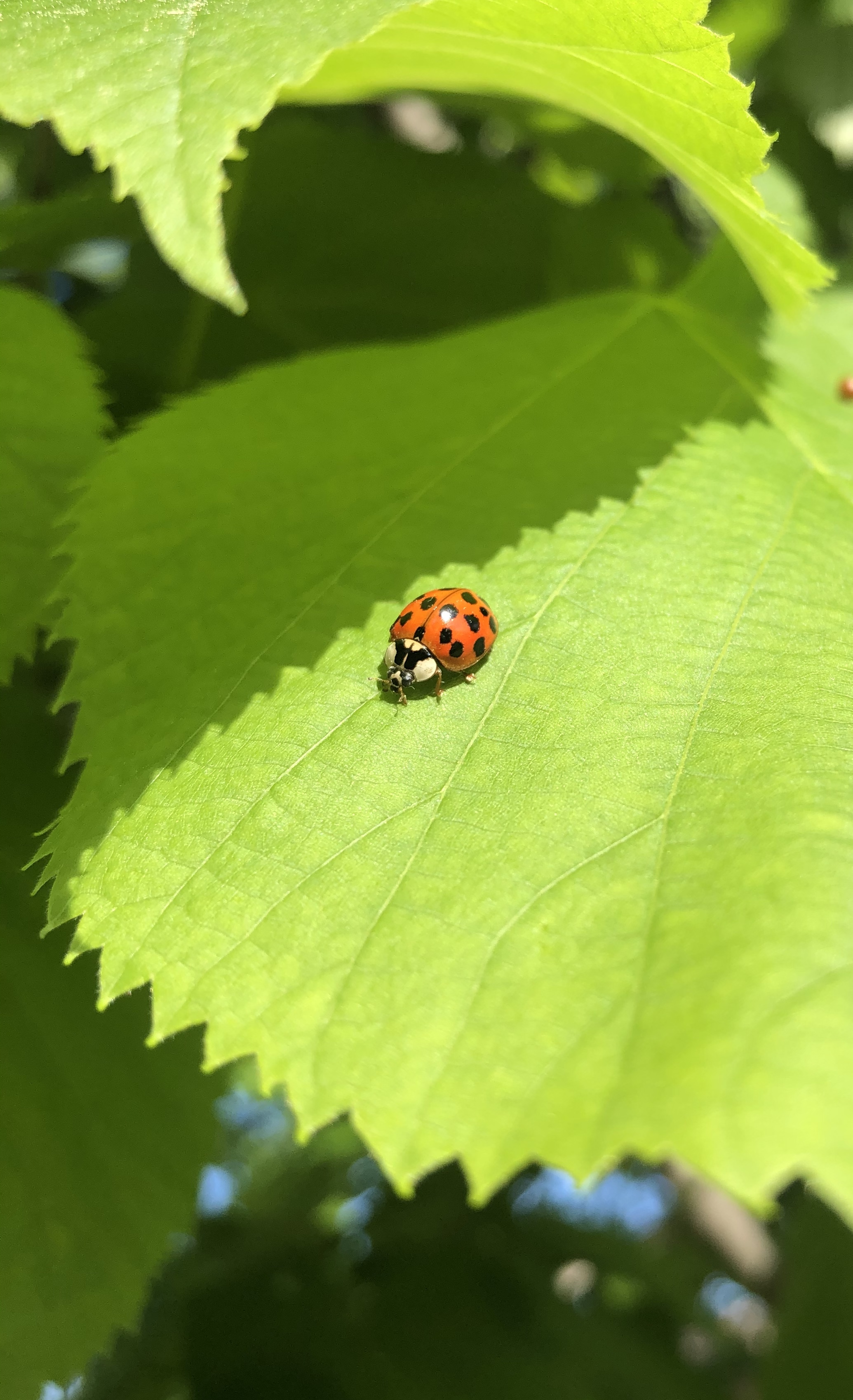
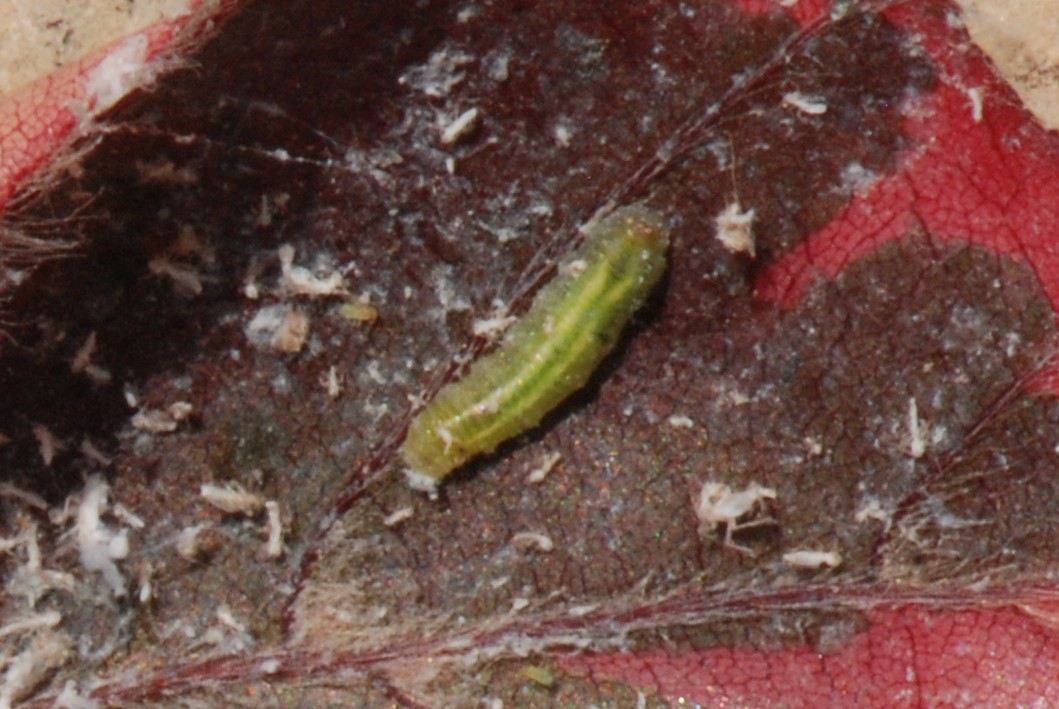
- BUT lots of beneficials were also found this week, one patch of Ribes Americanum had numerous adult lady beetles, syrphid fly eggs and larvae, and even some aphid mummies, recently parasitized by parasitic wasps.
- In situations where an abundance of natural enemies are present and little to no plant damage is seen, no need to bring out the heavy duty insecticides (or maybe any at all for that matter). Beleaf is a great chemistry that is less toxic to beneficial insects. Insecticidal soap is always an option too. If you are seeing aphid populations build and are not so fortunate to come across so many natural enemies, a full list of registered insecticides by host plants is available in the tables in Publication 840.
Boxwood Bugs
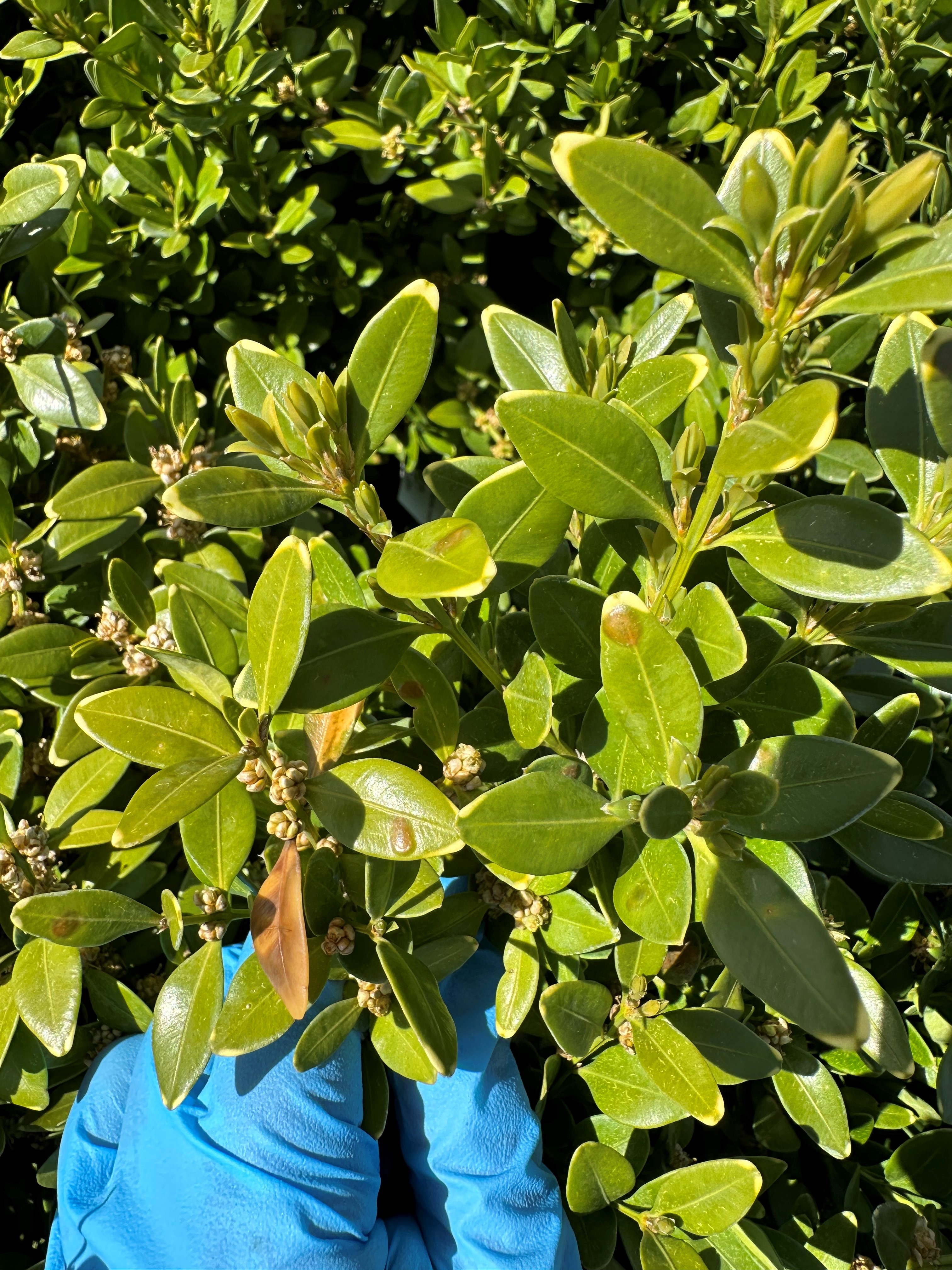
This week, the nursery scout found an abundance of Boxwood leafminer larvae. Larvae are developing inside leaves (in those orangey spots) and so a translaminar product like Avid or a growth regulator like Citation are great products to use to target this stage of the pest before they pupate and exit the leaves.
In the landscape, Box tree moth larvae have emerged from their hibernariums and will be actively feeding on leaves. As they begin to feed and grow, the window to treat with Bt products such as Dipel, BioProtec Plus and XenTari, is starting. Note that Bt can be used in a landscape setting. At a nursery operation, you also have the option of using DeltaGard (deltamethrin).
The scout has not found any BTM larvae at any nurseries; everyone keep up the amazing work and make sure to get those box tree moth traps up ASAP if you haven’t already. More info on BTM resources was covered in an early blog post here: BTM Training and Resources
For nurseries in Ontario that produce boxwood, it is strongly recommended that you have pest modules in place to prevent box tree moth at your operation. For those nurseries that produce boxwood and ship outside of Ontario, the new directive that is anticipated to be released by CFIA is expected to require an approved pest module to be in place. I encourage you to discuss this with your local CFIA office if you have not yet.
While on the topic of Box Tree moth, CNLA and the CFIA recently released this awesome infographic. Feel free to download and share to your clients or customers!
Where the heck are the spongy moth?
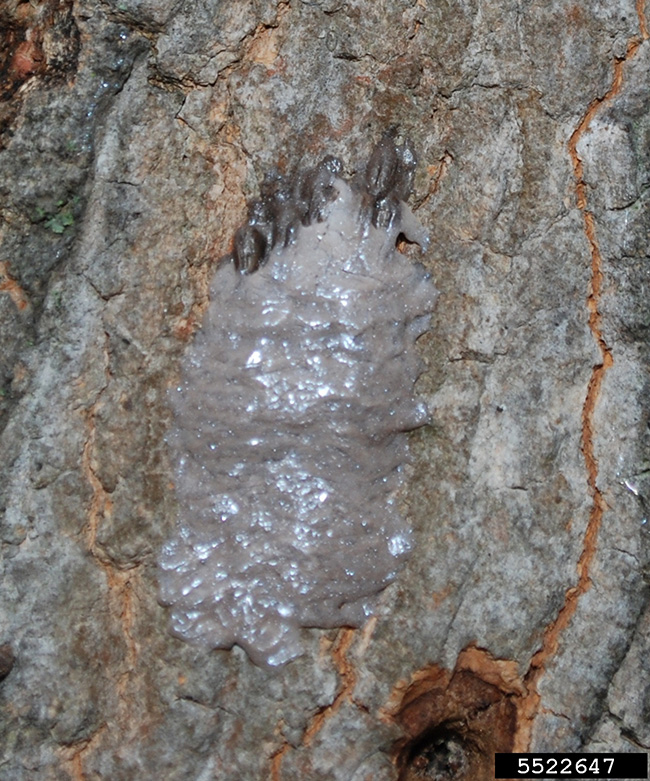
Have you seen spongy moth yet this spring? … me neither! Any egg masses the scout and I have found have all been from last year and finding new egg masses has been like searching for a needle in a haystack.
So what’s the deal? Well, maybe you’ve heard about the population collapse due increased natural predators. If you’re looking for some more information, there is a great article that talks about two of the diseases that help to control the populations after large outbreaks (nucleopolyhedrosis virus, or NPV, and a fungus called Entomophaga maimaiga). Click here for the article.
While spongy moth (the insect formerly known as gypsy moth) are not completely gone, most regions will see decreased activity this year. Continue to scout for spongy moth egg masses and emergence as there may still be hotspots in certain regions, but nothing like the population booms we saw over the last few years. With first bloom of Cercis canadensis, eggs should be hatching about now if they are present in your area.
Protect new leafy growth from disease
After the week of rain we had, the scout and I were seeing a lot symptoms of bacterial spots caused by Pseudomonas Syringae, especially on Syringa and Forsythia. Copper can be applied at 7-10 day intervals to help with bacterial issues. Leaf wetness is a major factor in disease development. Ensure plants are adequately spaced for optimal drying and avoid irrigation late in the day.
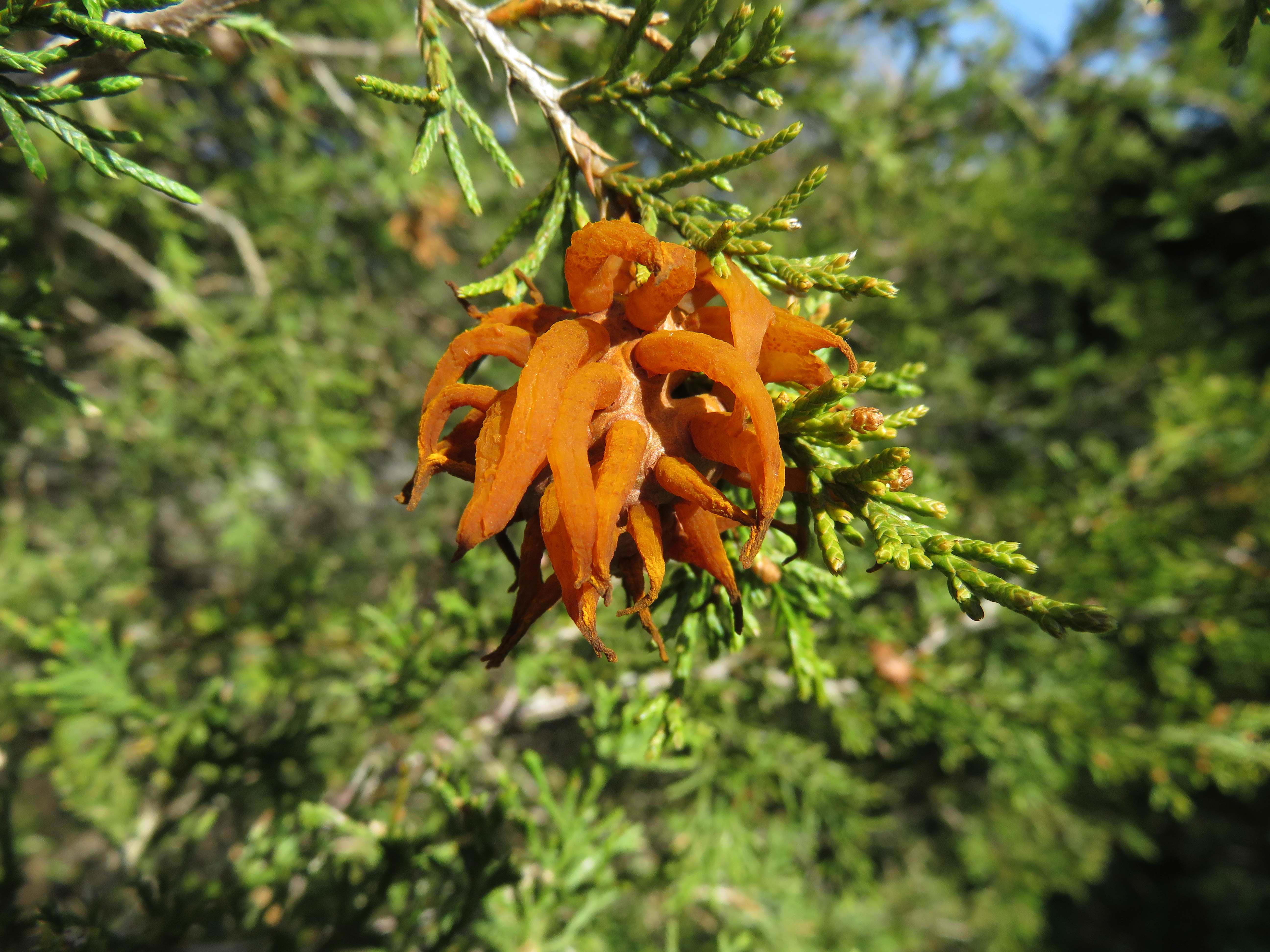
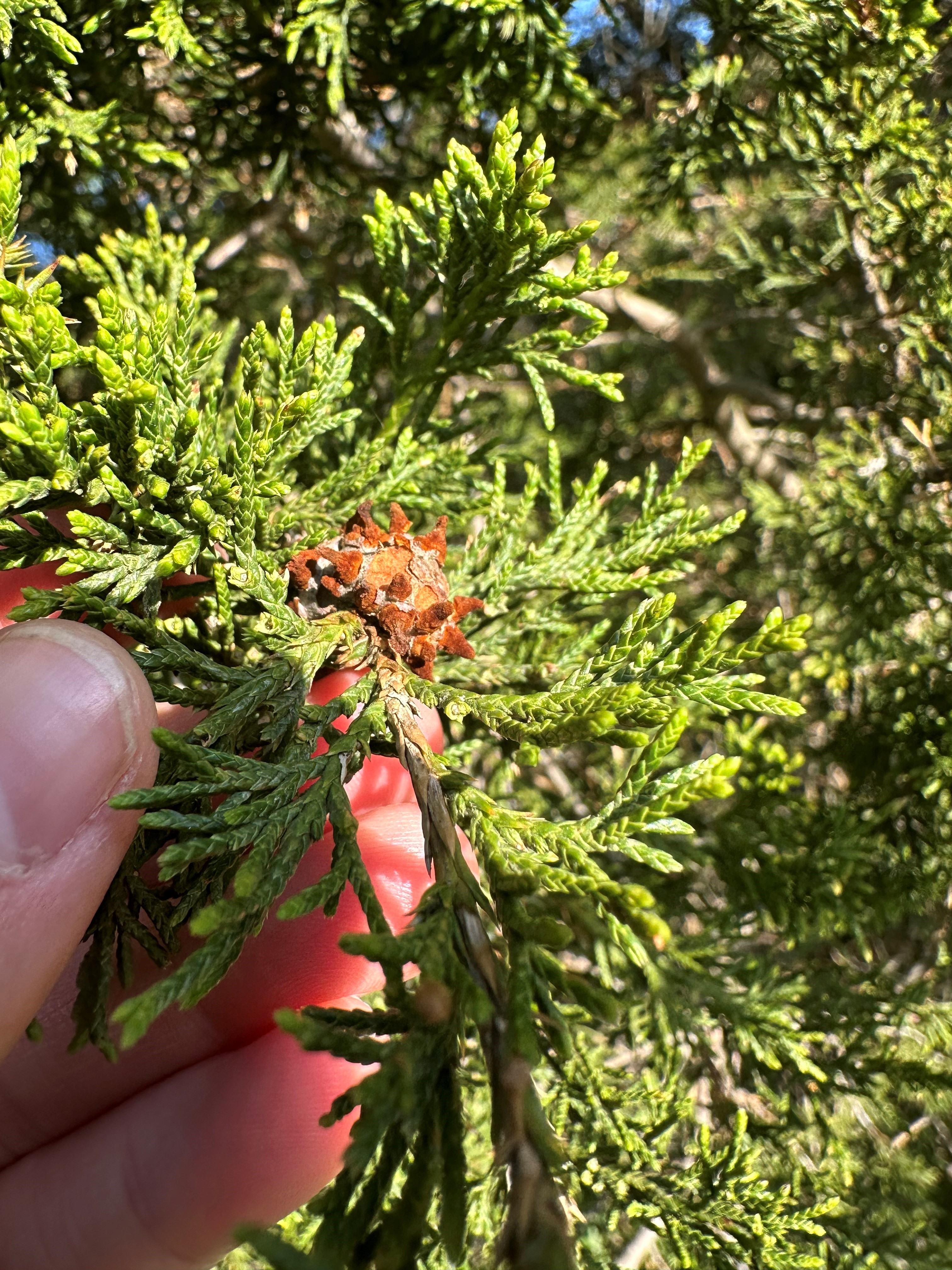
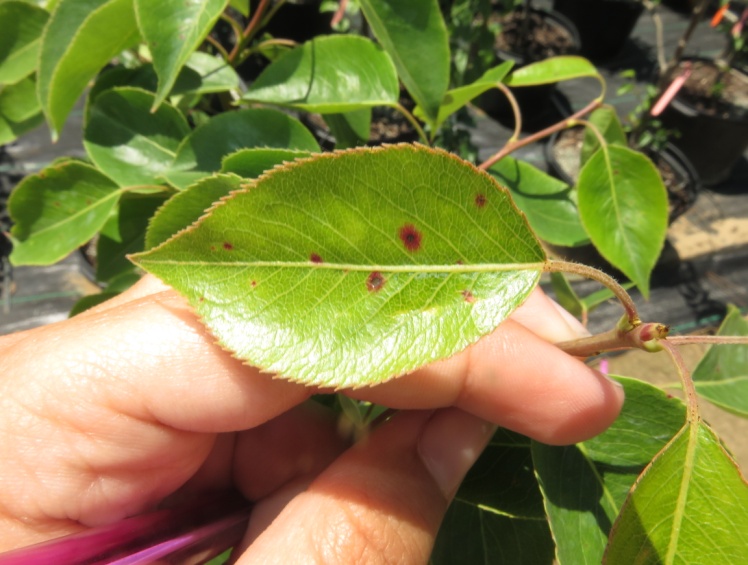
Extended rains brought about a flush of Gymnosporangium Rusts. Numerous telial horns were seen on Juniperus hosts. These swollen orange coloured jelly alien looking structures on branches release spores that infect and cause Rust disease on Malus, Pyrus, Quine, Amelanchier, and Crataegus. Prune out any galls after they have dried out to reduce infection to deciduous hosts. When the telial horns are sporulating, protect tender foliage with fungicides such as Daconil, Manzate, Nova, or Pristine.
Other things we are monitoring:
Potato Leafhoppers: The nursery scout has not found any leafhoppers yet this year. A pest report from University of Maryland Extension that just came into my inbox said they are just starting to see potato leafhoppers in their area that are moving up from the south. So it’s just a matter of time!
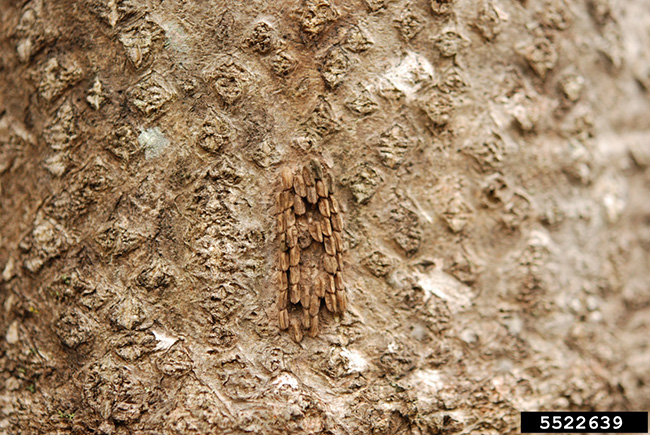
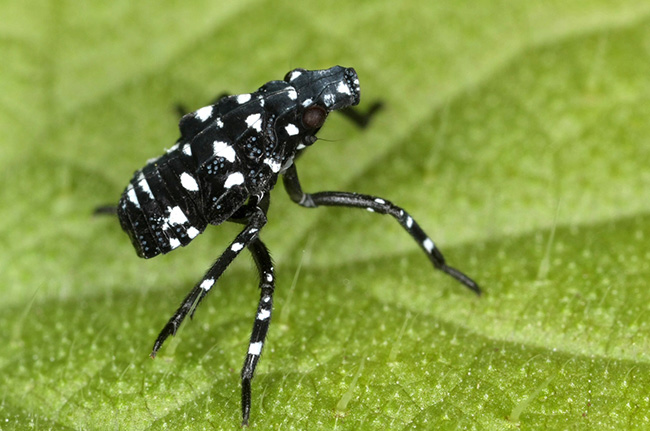
Spotted Lanternfly: Continue to keep your eyes peeled for spotted lanternfly! To date, NO live lifestages of SLF have been detected in Ontario. Growers importing plants from regions in the US where SLF is known to occur are encouraged to thoroughly inspect all parts of shipments upon arrival, before you integrate into your own plant stock. SLF egg masses have begun to hatch in some areas of the US so be sure to look out for both egg masses and 1st instar nymphs.
For more information on additional pests to monitor for from late April to Mid May, Refer to Table 2-6 in Publication 841, available at this link:
Publication 841, Guide to Nursery and Landscape Plant Production and IPM (ontario.ca)
Have questions or comments about anything in this post? Get in touch with me by emailing cassie.russell@ontario.ca


Fri., May 12, 2023
A few days ago I checked my 2.5 ft high, 3ft x 2ft boxwoods and could see the larvae in between the leaf layers without having to rip the layers apart. They were active and I should have sprayed them with Horticultural oil, but had other things to do. Today it seems, it was too late as the affected leaves, on a quick glance, no longer had its orangy residents. But I never noticed the critters flying about. Perhaps your note might be a bit late. But then the sudden heat probably played a factor.
Harry A. de Vries (retired nursery office employee) 527 Glancaster Rd., Mount Hope, ON
LikeLike
Fantastic and thorough report, Cassie! Thanks.
LikeLike
Hello and thank you for an excellent report!
-Raphael
LikeLike